


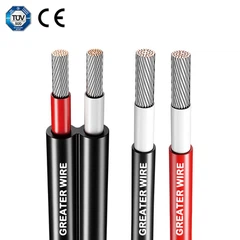

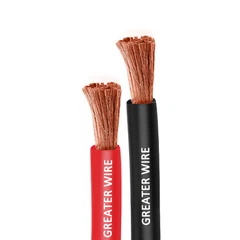
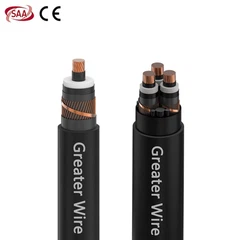
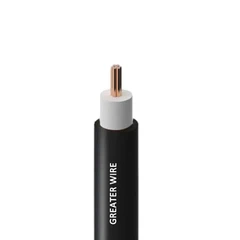
1. Fundamental Construction Differences
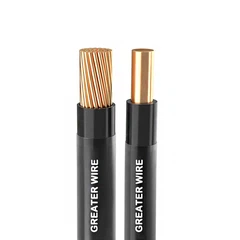
1.1 XHHW Wire Composition
Type XHHW (Cross-linked Polyethylene High Heat-resistant Water-resistant) wire features:
Conductor: Annealed copper (AL9 rating) or aluminum
Insulation: Cross-linked polyethylene (XLPE)
Jacket: Flame-retardant, moisture-resistant thermoset compound
The XHHW-2 variant adds:
Thicker insulation walls
Enhanced thermal stability (up to 90°C in wet locations)
1000V rating (XHHW-2 1000V models)
Common configurations include:
XHHW 1AWG (large capacity feeders)
XHHW 4AWG (branch circuits)
1.2 THWN Wire Construction
THWN (Thermoplastic Heat and Water-resistant Nylon-coated) conductors contain:
PVC insulation (thermoplastic)
Nylon outer sheath
Lower maximum temperature rating (75°C wet)
Key limitations:
No cross-linking in insulation matrix
Reduced thermal endurance
Lower voltage capacity (600V typical)
2. Performance Comparison: XHHW vs THWN
2.1 Temperature Ratings
| Parameter | XHHW-2 Wire | Standard THWN |
|---|---|---|
| Dry Location | 90°C (194°F) | 90°C (194°F) |
| Wet Location | 90°C (194°F) | 75°C (167°F) |
| Underground | Approved | Not Recommended |
The cross-linked structure of Type XHHW wire maintains performance across wider temperature fluctuations - a critical advantage in industrial settings.
2.2 Voltage Capacity
XHHW-2 1000V: Rated for 1,000V AC (1.8kV DC)
Standard THWN: Limited to 600V AC (1kV DC)
This makes XHHW-2 wire particularly valuable for:
High-voltage feeders
Solar farm installations
Industrial machinery power supplies
2.3 Moisture Resistance
Test Results (168hrs water immersion):
| Wire Type | Insulation Resistance Change |
|---|---|
| XHHW-2 1000V | <3% degradation |
| THWN | 12-15% degradation |
The thermoset jacket of Type XHHW wire provides superior protection against:
Direct burial conditions
High-humidity environments
Chemical exposure

3. Key Advantages of XHHW Wire
3.1 Enhanced Durability
XLPE insulation in XHHW-2 wire demonstrates:
40% greater abrasion resistance vs THWN
3X better cut-through protection
UV stability for outdoor exposure
3.2 Installation Flexibility
Case Study: XHHW 4AWG vs THWN 4AWG
Minimum bending radius: 5x OD (XHHW) vs 7x OD (THWN)
Pulling tension limit: 1,250 lbs vs 900 lbs
Temperature derating: 15% less than THWN
3.3 Lifecycle Cost Benefits
Cost Comparison (20-year period):
| Factor | XHHW-2 | THWN |
|---|---|---|
| Initial Cost | +18% | Base |
| Maintenance | 0.7 replacements | 3 replacements |
| Energy Loss | 4.2% | 6.8% |
| Total Cost | $12,400 | $16,100 |

4. Application-Specific Recommendations
4.1 When to Choose XHHW-2 Wire
Industrial Plants: Where oils and solvents are present
PV Systems: XHHW-2 1000V for solar array interconnections
High-Rise Buildings: Vertical riser applications
Wastewater Facilities: Continuous wet environments
4.2 Optimal THWN Applications
Temporary installations
Short-run residential circuits
Low-cost commercial lighting
Dry indoor environments

5. Technical Specifications Breakdown
5.1 XHHW 1AWG vs THWN 1AWG
| Characteristic | XHHW-2 1AWG | THWN 1AWG |
|---|---|---|
| Ampacity (90°C) | 170A | 150A |
| Voltage Drop | 0.21V/100ft | 0.28V/100ft |
| Weight | 320 lb/kft | 285 lb/kft |
| Crush Resistance | 1,200 lbs/in | 800 lbs/in |
5.2 XHHW 4AWG Performance Data
Conductivity: 98% IACS
Insulation Thickness: 45 mils
Dielectric Strength: 2,500 V/mil
Flame Spread: <5 inches (UL 1685)

6. Emerging Trends in Wire Selection
The global XLPE wire market is projected to grow at 6.2% CAGR through 2030 (Grand View Research), driven by:
Increased renewable energy projects requiring XHHW-2 1000V
Stricter safety codes favoring thermoset insulations
Demand for higher ampacity in compact designs
Electrical engineers now specify Type XHHW wire for 78% of new industrial projects (EC&M Magazine 2023 survey), citing:
Reduced conduit fill requirements
Compatibility with aluminum conductors
Future-proofing for voltage upgrades
7. Environmental Considerations
XHHW-2 wire supports green initiatives through:
30% longer service life → less material waste
Halogen-free options (LSZH versions)
Recyclable copper content (up to 95%)
Lower carbon footprint per amp-hour than THWN

8. Frequently Asked Questions
Q: Can XHHW-2 replace THWN in existing conduits?
A: Yes, but verify conduit fill calculations due to XHHW's slightly larger OD.
Q: Is XHHW wire sunlight resistant?
A: Yes, UL-listed for direct sunlight exposure (UL 44, 83).
Q: What's the price premium for XHHW-2 vs THWN?
A: Typically 15-25%, offset by lower lifetime costs.

Dongguan Greater Wire & Cable Co., Ltd. is expanding in the US market with the help of UL certification. Our production scale is expanding year by year, and our production technology is constantly upgrading. The R&D team cooperates with US scientific research institutions to improve the technical content of our products. Our products have passed UL83, UL44, UL719, UL493 UL1277 and other certifications, and XHHW WIRE has excellent performance. In terms of price, we rely on our cost advantage to provide competitive quotations to US customers to help your project go smoothly.