



1. Understanding XHHW Wire: Key Properties
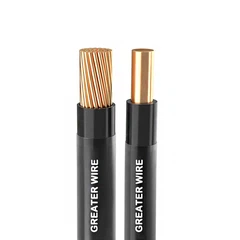
XHHW wire is a thermoset-insulated electrical cable designed for demanding environments. Its insulation consists of cross-linked polyethylene (XLPE), which provides exceptional resistance to heat, moisture, and chemicals. Key properties include:
Temperature Resistance: Rated for up to 90°C in wet or dry conditions, exceeding the performance of many standard wires.
Water Resistance: The XLPE insulation prevents water absorption, making it ideal for damp or submerged applications.
Durability: Resistant to abrasion, oils, and sunlight, ensuring long-term reliability in harsh settings.
These characteristics make XHHW wire a strong candidate for marine environments, where corrosion and moisture are pervasive threats.
2. Aluminum XHHW-2 vs. Copper XHHW: Material Considerations
Aluminum XHHW-2
Aluminum XHHW-2 wire combines the cost-effectiveness of aluminum with the robust insulation of XHHW. Advantages include:
Lightweight: Aluminum's lower density reduces installation strain, ideal for marine vessels where weight impacts fuel efficiency.
Corrosion Resistance: When paired with XLPE insulation, aluminum XHHW-2 resists saltwater-induced oxidation, though proper terminal connections are critical to prevent galvanic corrosion.
Cost Efficiency: Aluminum is cheaper than copper, offering savings for large-scale marine projects.
However, aluminum requires larger conductor sizes to match copper's current-carrying capacity, which may limit its use in space-constrained applications.
Copper XHHW Wire
Copper remains the gold standard for conductivity and reliability. Benefits in marine settings include:
Superior Conductivity: Copper handles higher currents with smaller gauge sizes, optimizing space on boats or offshore platforms.
Oxidation Resistance: Unlike aluminum, copper naturally resists corrosion, even in salty environments, when insulated with XLPE.
Flexibility: Copper's malleability simplifies installation in tight marine compartments.
While copper XHHW is more expensive, its longevity and performance justify the investment in critical marine systems.

3. XHHW vs. THHN: Why Marine Environments Favor XHHW
THHN (Thermoplastic High Heat-Resistant Nylon-Coated) wire is widely used in industrial and residential applications but falls short in marine settings compared to XHHW:
Insulation Material: THHN uses thermoplastic insulation, which degrades faster under prolonged UV exposure and moisture. XHHW's thermoset XLPE retains integrity in harsh conditions.
Temperature Ratings: THHN is rated for 90°C in dry conditions but only 75°C when wet. XHHW maintains its 90°C rating in both wet and dry environments.
Chemical Resistance: XHHW outperforms THHN in resisting oils, acids, and solvents commonly found in marine operations.
For marine applications, XHHW's robust insulation and dual-rated temperature tolerance make it the safer, longer-lasting choice.

4. Applications of XHHW Wire in Marine Environments
XHHW wire's versatility supports diverse marine applications:
Shipboard Electrical Systems: Power distribution panels, lighting, and navigation systems benefit from XHHW's moisture resistance.
Offshore Energy Infrastructure: Wave energy converters (WECs) and tidal turbines, exposed to corrosive seawater, rely on durable wiring like XHHW to minimize maintenance.
Dock and Harbor Installations: Submerged or splash-zone wiring for piers, pumps, and sensors demands XHHW's water-resistant properties.
Case studies in marine renewable energy systems, such as those using A36 steel components, highlight the importance of corrosion-resistant materials. While these systems prioritize structural metals, their electrical subsystems similarly require wires like XHHW to withstand saline exposure1.

5. Compliance and Standards for Marine-Grade Wiring
XHHW wire meets critical industry standards, ensuring safety and compatibility:
UL 44 and UL 83: Certifies XHHW for use in wet locations and high-temperature environments.
NEC Article 310: Recognizes XHHW as suitable for branch circuits and feeders in marine applications.
ISO 10133: International standards for low-voltage marine systems recommend XHHW-type insulation for DC circuits.
These certifications underscore XHHW's reliability for marine use, aligning with the rigorous demands of offshore environments.

6. Challenges and Mitigation Strategies
While XHHW excels in marine settings, proper installation and maintenance are crucial:
Galvanic Corrosion: Pairing aluminum XHHW-2 with dissimilar metals (e.g., stainless steel) can accelerate corrosion. Use dielectric grease or isolation kits to mitigate this risk.
UV Degradation: Although XHHW resists sunlight better than THHN, additional conduit protection is advised for prolonged UV exposure.
Mechanical Stress: Secure wiring with marine-grade clamps to prevent abrasion from vessel vibrations.

7. Future Trends: Innovations in Marine Wiring
Advancements in material science are enhancing XHHW's marine suitability:
Nano-Coated Conductors: Emerging technologies apply anti-corrosive nanocoatings to aluminum XHHW-2, further extending its lifespan.
Hybrid Insulation: Combining XLPE with silicone layers improves flexibility and thermal stability for extreme marine conditions.
Sustainability: Recyclable XLPE insulation aligns with the marine industry's push toward eco-friendly solutions.

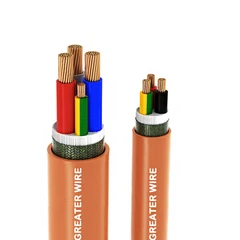
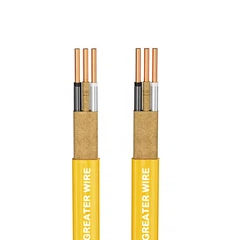
Dongguan Greater Wire & Cable Co., Ltd.'s price advantage makes us highly competitive in the US cable market. Our large-scale production and high production efficiency can effectively reduce costs. The R&D team continuously optimizes product performance to meet the needs of the US market. Our products have passed UL83, UL44, UL719 and other certifications, and XHHW quality is guaranteed. The price is 25% lower than that of local US brands, providing you with high-quality, low-priced cables, which is a wise choice for your project.