























1. Structure and Performance Characteristics of XHHW Wire
1.1 Conductor Material
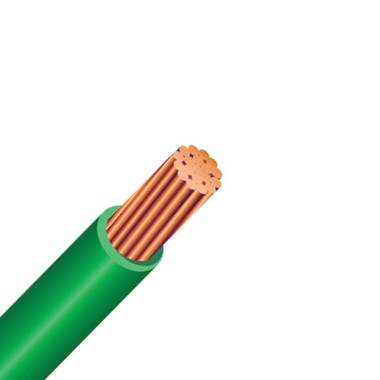
XHHW wire typically uses high-purity copper or aluminum conductors, with copper conductors being the most common due to their high electrical conductivity and mechanical strength. Copper conductors offer excellent corrosion resistance, ensuring the wire operates reliably in harsh conditions.
1.2 Insulation Material: Cross-linked Polyethylene
The insulation of XHHW wire is made from cross-linked polyethylene (XLPE), a thermoset material that maintains insulation integrity at high temperatures without deforming or aging. XLPE offers excellent heat resistance and moisture resistance, making it ideal for xhhw underground and xhhw wire direct burial applications.
1.3 Other Performance Features
High heat resistance: Standard XHHW wire can operate continuously at up to 90°C, with XHHW-2 versions offering broader temperature ranges.
Moisture resistance: Suitable for wet or underground environments, preventing short circuits due to moisture ingress.
Chemical resistance: XLPE insulation withstands various chemicals and oils, suitable for industrial environments.
Mechanical robustness: Ideal for xhhw wire in conduit installations, able to withstand bending and mechanical impact.
1.4 Summary
Combining quality conductor materials and XLPE insulation, XHHW wire ensures safe and stable operation across various environments, making it an ideal choice for indoor/outdoor wiring, especially in xhhw underground and direct burial projects.
2. Voltage Rating of XHHW Wire Explained
2.1 Standard Voltage Ratings
XHHW wire is commonly rated for two main voltage levels: 600 volts (V) and 1000 volts (1 kilovolt, kV). These ratings accommodate different power systems and equipment requirements:
600V rating: Typically used in residential and light industrial electrical systems.
1000V rating: Suitable for heavy industrial, commercial buildings, and high-load electrical equipment.
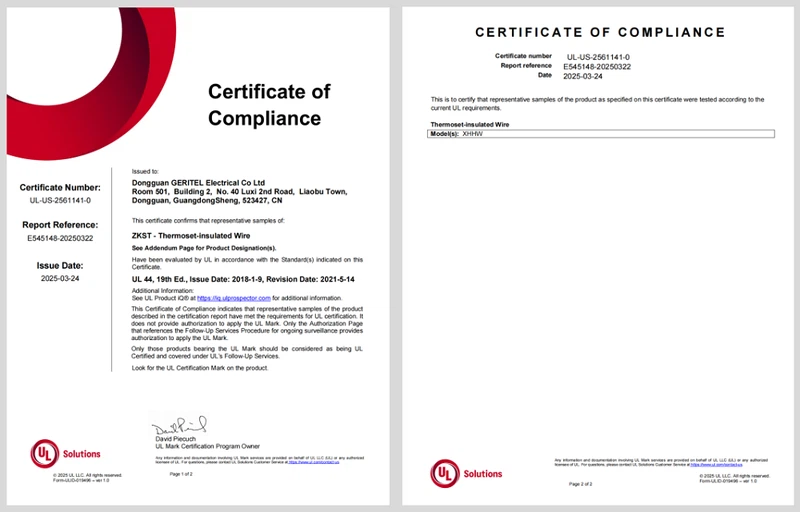
These ratings comply with North American NEC (National Electrical Code) standards and UL (Underwriters Laboratories) certification, ensuring safety and reliability.
2.2 Differences Between XHHW and XHHW-2
There are two primary types of XHHW wire:
XHHW: Rated for 90°C in dry environments and 75°C in wet environments, with voltage ratings of 600V or 1000V.
XHHW-2: An upgraded version designed for 90°C in both dry and wet environments, enhancing suitability for more demanding applications, while maintaining 600V and 1000V voltage ratings.
Thus, in xhhw wire direct burial or xhhw underground installations, XHHW-2 is often recommended due to its superior temperature and environmental adaptability.
2.3 Relevant Standards and Certifications
The voltage ratings and performance of XHHW wire are governed by:
NEC Code: Specifies the usage and voltage limits of XHHW wire, especially emphasizing wet and underground applications.
UL Certification: Ensures the wire meets US safety standards, guaranteeing insulation integrity and mechanical strength at rated voltages.
These standards ensure that whether installed as xhhw wire in conduit or buried underground, XHHW wire operates safely and reliably.
3. Importance of Voltage Rating in Practical Applications
3.1 Selecting the Appropriate Voltage Rating
Choosing the correct voltage rating for XHHW wire is critical in electrical system design to avoid equipment damage, electrical faults, or safety hazards:
600V XHHW wire: Suitable for general residential and light industrial projects with lower voltage requirements and lower costs.
1000V XHHW wire: Used in large commercial buildings, factories, and heavy load equipment applications requiring higher voltage transmission.
For xhhw underground or xhhw wire direct burial projects, the voltage rating must meet load demands and safety regulations.
3.2 Impact of Voltage Rating on Safety and Performance
A high-quality voltage rating ensures stable current transmission and significantly reduces the risk of electrical faults. The heat and moisture resistance of XHHW wire is especially important in high-voltage environments to prevent insulation breakdown and short circuits.
3.3 Comparing XHHW with Other Wire Types
Compared with wires like THHN (Thermoplastic High Heat-resistant Nylon-coated) and RHW (Rubber High Heat-resistant Wire), XHHW wire offers superior insulation and heat resistance, making it ideal for xhhw wire in conduit and underground burial applications.

4. Typical Applications of XHHW Wire
4.1 Commercial and Industrial Wiring
Due to its excellent heat and moisture resistance, XHHW wire is extensively used in commercial building main power distribution and industrial equipment wiring, especially in corrosive or high-temperature environments.
4.2 Wet and Outdoor Environments
xhhw underground and xhhw wire direct burial projects emphasize moisture resistance. XHHW wire effectively prevents moisture ingress, ensuring long-term stability in underground cable installations.
4.3 Conduit Installations
For indoor wiring, xhhw wire in conduit is common to keep wiring neat and secure while providing mechanical protection to the cables.
4.4 Special Industry Applications
XHHW wire is also widely used in solar photovoltaic systems, marine vessels, and transportation infrastructure, where high-performance cables are required.

Dongguan Greater Wire & Cable Co., Ltd. has won the high trust of customers from five continents with authoritative certifications such as UL, cUL, SAA, VDE, CE, TÜV, IEC, ISO, etc. Our cable products are widely used in high-standard projects such as airports, hospitals, subways, power stations, etc. If you are preparing a project or bidding involving international procurement, please contact us and we will provide you with cable products and related supporting materials that meet the project specifications as soon as possible.