

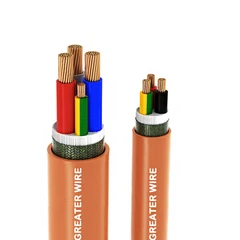
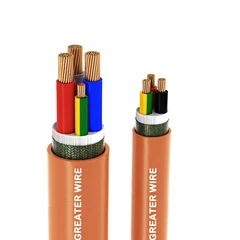

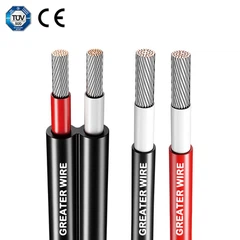

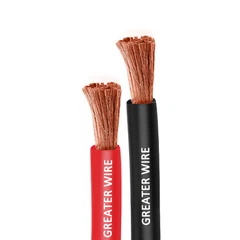
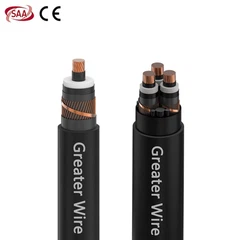
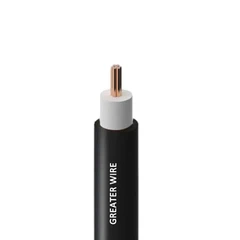
In the modern world, electrical cables are fundamental to powering homes, businesses, and industries. Among the various types of cables used, orange circular cables hold a special place due to their unique insulation, which serves specific functions in ensuring safety, efficiency, and reliability. One of the most common questions regarding these cables is, "What type of insulation is used in orange circular cables?" This article will address this question in detail, while also discussing the relevant certifications and standards, such as the SAA certificate, Australia standards, and AS/NZS 5000.1.
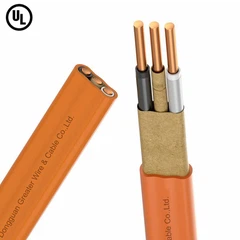
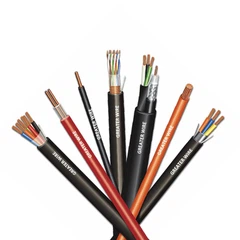
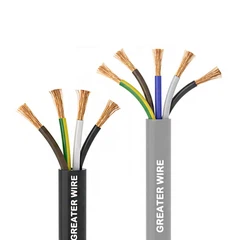
An orange circular cable typically refers to a type of electrical wiring that is designed with a round cross-section and an orange-colored outer insulation. The color orange is often used in electrical cables to signify that the wire is suitable for specific applications, especially those that involve a high degree of safety, such as in industrial and outdoor environments. The insulation on these cables plays a crucial role in safeguarding the wire from external factors and ensuring that electrical transmission is conducted efficiently without leakage or interference.


What Type of Insulation is Used?
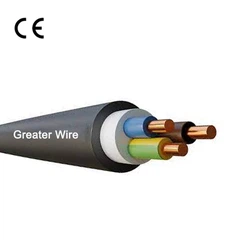
The insulation on an orange circular cable is generally made from materials that offer excellent electrical properties, mechanical strength, and resistance to various environmental factors. The most common materials used for insulation include:
PVC (Polyvinyl Chloride): This is one of the most widely used insulation materials. PVC is affordable, flexible, and provides good resistance to moisture, abrasion, and UV rays. This makes it an ideal choice for general-purpose cables.
XLPE (Cross-Linked Polyethylene): XLPE is often used in cables that need higher temperature resistance and durability. It provides better performance than standard PVC insulation, particularly in demanding environments.
Rubber Insulation: Rubber-based insulation is used for cables that require additional flexibility and resistance to wear and tear. This material is also commonly used in environments where the cable is exposed to oils, chemicals, and extreme temperatures.
LSZH (Low Smoke Zero Halogen): For applications where fire safety is a concern, LSZH materials are used in the insulation. These materials release minimal smoke and no halogen gases when burned, making them ideal for use in public spaces, commercial buildings, and other areas where fire safety is a priority.
The exact type of insulation used will depend on the application and the specific requirements of the cable. For example, cables designed for use in industrial settings or outdoors often feature robust insulation that can withstand harsh weather conditions, physical abrasion, and chemical exposure.

SAA Certificate and Australia Standards
In Australia, electrical products must comply with rigorous safety standards. The SAA (Standards Australia Accredited) certificate is an indication that a product has been tested and meets these standards. When it comes to electrical cables, including orange circular cables, the SAA certificate assures consumers and industries that the cable has been manufactured to the highest standards and is safe for use.
The SAA certificate typically covers safety aspects such as:
Electrical safety: The cable must not cause electrical shocks or fires under normal use.
Durability: The cable must withstand environmental factors like heat, humidity, and mechanical stress.
Compliance with Australian regulations: The cable must meet local regulations and Australian Standards.

AS/NZS 5000.1 Standard
The AS/NZS 5000.1 standard is one of the key standards in Australia and New Zealand for electrical cables. This standard specifies the requirements for cables that are used in fixed installations in buildings. It covers a wide range of factors, including the materials used for insulation, the cable's temperature rating, and its resistance to fire.
For an orange circular cable to meet the AS/NZS 5000.1 standard, it must adhere to the following conditions:
Insulation Type: The cable's insulation must be made from materials that can withstand the electrical and environmental stresses present in the installation environment. This could mean that the cable uses materials like PVC, XLPE, or rubber, depending on the application.
Temperature Rating: The cable must be able to operate within a specified temperature range. For most cables, this means being able to function safely at temperatures up to 70°C, but some cables may be rated for higher temperatures (e.g., 90°C or 105°C).
Voltage Rating: The cable must be designed to handle specific voltage levels. For most orange circular cables used in residential and commercial settings, the standard voltage ratings are typically 450/750V or 0.6/1kV.
Fire Resistance: Under AS/NZS 5000.1, cables must also be designed to minimize the risk of fire and electrical hazards. This includes ensuring that the insulation material does not degrade or catch fire under normal conditions.
Cables that comply with AS/NZS 5000.1 can be safely used in a variety of applications, including residential, commercial, and industrial buildings, ensuring that they meet the rigorous safety standards required for electrical systems in Australia and New Zealand.

Why Orange Circular Cables?
Orange circular cables are particularly popular for use in industrial and construction settings, as the color orange is often associated with safety and high visibility. These cables are often used in environments where safety is paramount, such as:
Industrial Applications: In factories and warehouses, where cables may be exposed to mechanical stress, chemicals, or extreme temperatures, orange circular cables with robust insulation offer a reliable solution.
Outdoor Installations: These cables are often used in outdoor environments where they are exposed to direct sunlight, rain, and fluctuating temperatures. The insulation provides necessary protection to maintain the integrity of the cable.
Power Supply and Distribution: Orange circular cables are used in power supply systems, especially for circuits that carry higher voltages or require additional protection against wear and environmental damage.
Safety and Identification: The color orange itself is often used to signal caution or special conditions. As a result, the orange color of the cable makes it easier to identify and differentiate from other cables in complex installations.