

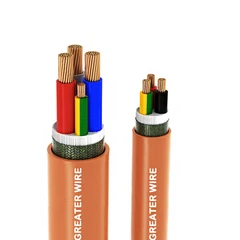
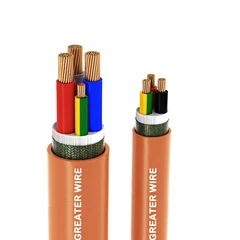

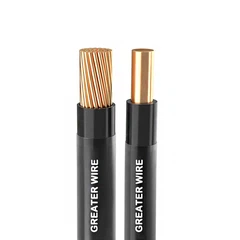
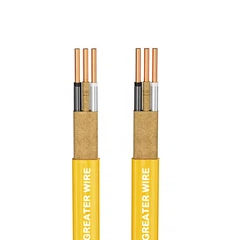
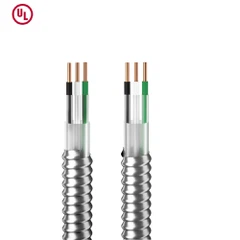
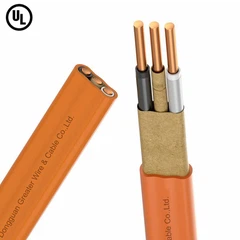
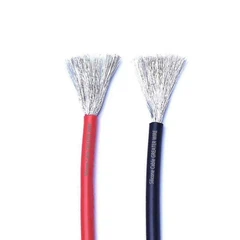
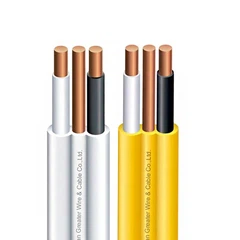
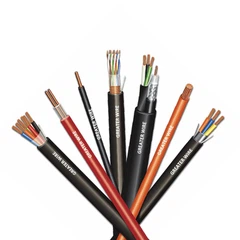
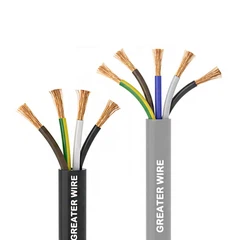
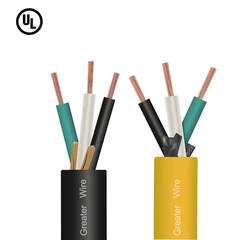
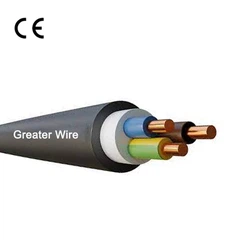
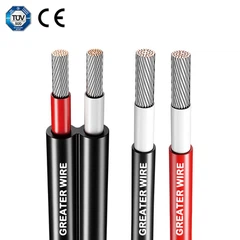

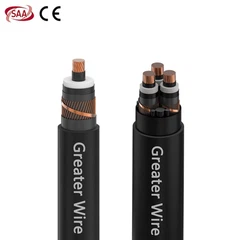
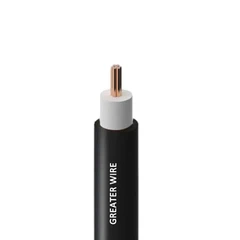
In industrial automation, home wiring, and various machinery, the choice of cable directly impacts safety, efficiency, and long-term costs. Have you ever encountered situations where cables get damaged due to frequent bending or harsh environments? In such cases, Flexible Cable is the ideal solution. Whether it's a large industrial project or a residential/commercial installation, flexible cables provide safe, durable, and convenient solutions.
What Is Flexible Cable?
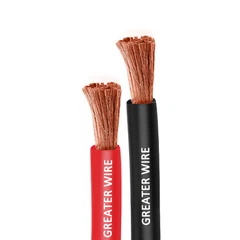
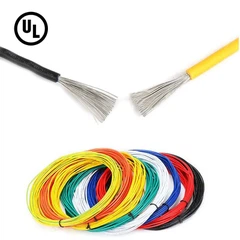
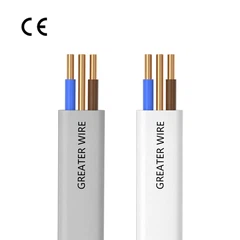
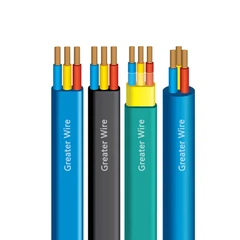
Flexible Cable, also known as flex cable, consists of multiple fine copper strands twisted together. Compared with traditional rigid cables, it offers higher flexibility and resistance to bending.
- Structural Features: Multi-stranded copper core with a durable insulation sheath, perfect for complex wiring setups.
- Main Applications: Ideal for installations where cables frequently move or bend, and in environments with limited space.
In short, Flexible Cable not only transmits electricity but also easily adapts to motion, vibration, and challenging conditions.
Advantages of Flexible Cable
High Flexibility and Easy Installation
- Can be easily bent, coiled, or routed through conduits, saving installation time and labor costs.
Durability
- Fatigue-resistant and vibration-resistant, with a long service life that reduces maintenance frequency.
Enhanced Safety
- Made with high-quality insulation materials, resistant to high temperatures and wear, significantly reducing short-circuit and fire risks.
Wide Applicability
- Suitable for industrial automation, robotics, appliances, construction, and more.

Typical Applications of Flexible Cable
Mobile Devices or Machinery
- Robots, cranes, conveyor belts, and other equipment that frequently moves.
Space-Constrained or Complex Wiring
- Projects requiring bends, coils, or conduit routing.
High Vibration Environments
- Industrial machinery, transportation equipment, and other high-vibration scenarios.
Outdoor or Special Environments
- UV-resistant, weatherproof, and corrosion-resistant applications.
Each scenario demonstrates the irreplaceable advantages of flexible cables, offering clients safer, more reliable power transmission solutions.
Key Factors When Choosing Flexible Cable
- Number of Cores & Cross-Section: Ensure it meets the device's current requirements.
- Bending Radius: Choose an appropriate radius based on installation conditions.
- Insulation Material & Temperature Rating: Materials like PVC or silicone meet different environmental needs.
- Certification Standards: VDE, CE, CB, and other international certifications ensure quality and safety.
Choosing the right flexible cable can greatly improve equipment safety, reliability, and long-term maintenance convenience.

Why Choose Dongguan Greater Wire & Cable Co., Ltd.?
- Full Range of Certifications: Our flexible cables carry VDE, CE, CB, and other internationally recognized certifications.
- High-Quality Materials & Customization: Pure copper cores, multiple insulation options, and customizable lengths and specifications.
- Professional Pre-Sales and After-Sales Team: We provide technical support and on-site guidance for projects of all sizes.
- Value and Convenience: Our flexible cables provide clients with safe, durable, and easy-to-install solutions, reducing long-term costs.
📞 Contact Us
- Dongguan Greater Wire & Cable Co., Ltd.
- Tel/WhatsApp/WeChat: +86 135 1078 4550 / +86 136 6257 9592
- Email: manager01@greaterwire.com
Whether your project is small or large, we provide the best flexible cable products and comprehensive support. Contact us today for customized solutions and quotations, and make your electrical installations safer and more efficient!