

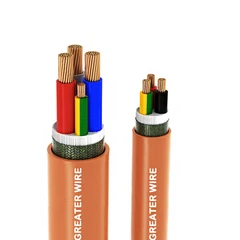
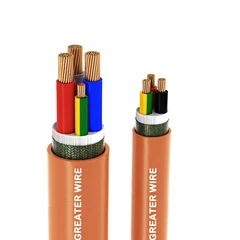

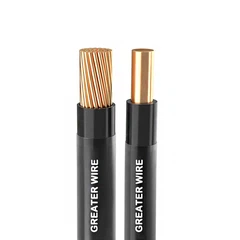
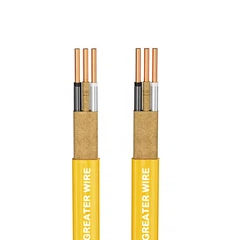
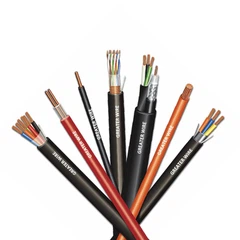
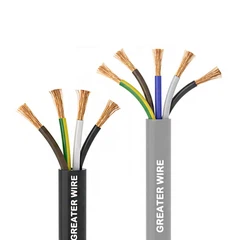

When designing or installing a solar power system, one of the most critical decisions is choosing the appropriate solar cable. The size of the solar wire plays an essential role in ensuring the efficiency, safety, and longevity of your solar setup. Among the most commonly used solar cables is the 2.5 mm solar cable. However, before deciding whether this cable size is appropriate for your solar panels, it's important to understand its capabilities and limitations, as well as the factors that influence its suitability.
This article will explore the uses of 2.5 mm solar cables, what makes them suitable for solar installations, and how to determine if this size is the best choice for your specific solar power system.

Understanding Solar Cables and Their Role in Solar Power Systems
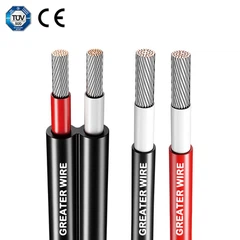
Solar cables are specially designed wires that connect different components of a solar power system, including the solar panels, inverters, charge controllers, and batteries. These cables are engineered to handle the electrical current produced by the solar panels and to transport it safely to other components in the system.
The choice of solar wire depends on various factors, including the current and voltage requirements, the length of cable runs, and the environmental conditions where the system is installed. The most important aspects of a solar cable are:
Current rating: The maximum current the cable can safely handle.
Voltage rating: The maximum voltage the cable can withstand.
Temperature rating: The cable's ability to function in extreme temperature conditions.
Durability and resistance: Protection against UV, moisture, and other environmental hazards.
The 2.5 mm solar cable is one of the commonly used sizes, offering a balance between efficiency, safety, and cost-effectiveness. It is suitable for many residential solar systems but requires careful consideration to ensure it meets the specific needs of your installation.

What is a 2.5 mm Solar Cable?
A 2.5 mm solar cable refers to a wire with a conductor cross-sectional area of 2.5 square millimeters. This size is larger than the 1.5 mm solar cable but smaller than 4 mm or 6 mm cables. 2.5 mm cables are often used in medium-sized solar power systems, where the current and distance requirements are moderate.
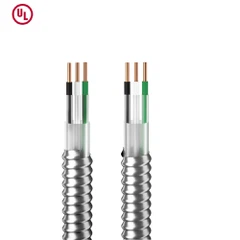
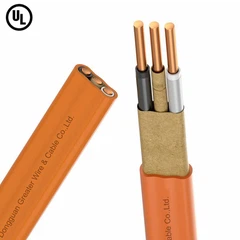
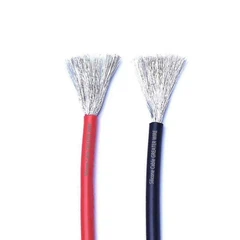
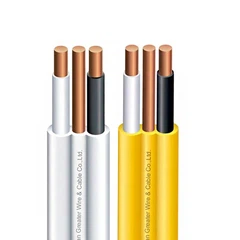
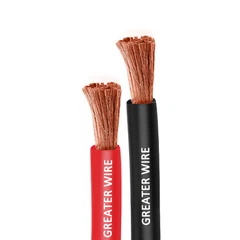
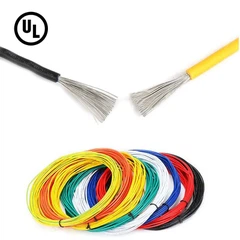
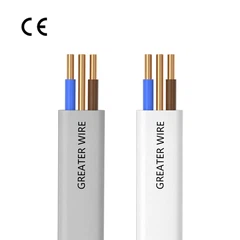
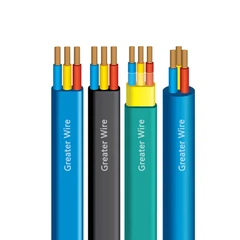
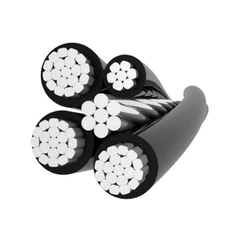
The conductor is typically made of copper, a highly conductive material that allows for efficient power transfer. The insulation is usually made from materials like PVC, TPE, or XLPE, which provide UV resistance, water resistance, and temperature stability. 2.5 mm solar cables are designed to withstand harsh environmental conditions, making them suitable for outdoor installations, especially in residential settings.
Key Features of 2.5 mm Solar Cable:
Copper Conductors: Known for their high electrical conductivity, copper is the standard material used in most solar cables.
UV-Resistant Insulation: Ensures the cable remains durable even when exposed to direct sunlight for extended periods.
Temperature Resistance: These cables can withstand temperature ranges from -40°C to 90°C, ensuring reliable operation in various climates.
Weatherproof: Resistant to water, dust, and other environmental factors that might degrade the wire over time.

Current Rating of 2.5 mm Solar Cable
One of the most important specifications of a solar cable is its current rating-the amount of electrical current it can safely carry without overheating or causing damage to the insulation. For a 2.5 mm solar cable, the current rating typically ranges from 20 to 25 amps, depending on the cable's insulation and the ambient temperature conditions.
The current rating is a crucial factor because it ensures that the cable can handle the power generated by the solar panels without overheating or leading to performance issues. For example, a 300W solar panel operating in a 12V system generates about 25A of current, which is within the current rating of a 2.5 mm solar cable. However, the 2.5 mm solar wire might not be sufficient for larger systems or longer cable runs, where higher currents may be involved.
Factors Affecting Current Capacity:
Ambient Temperature: The cable's current rating can decrease in high-temperature environments, a phenomenon known as derating. In warmer climates, a larger cable may be required to compensate for the reduction in current capacity.
Insulation Type: Different insulation materials have varying heat resistance. Cables with better insulation can carry higher currents more safely.
Installation Method: How the cable is installed-whether it is exposed to sunlight, buried underground, or placed in conduit-can affect its ability to dissipate heat and thus influence its current-carrying capacity.

Suitability of 2.5 mm Solar Cable for Solar Panels
The suitability of 2.5 mm solar cable for connecting solar panels depends on several factors, including the power output of the panels, the voltage of the system, the distance between the components, and the total current the system will generate.
Here's an overview of where 2.5 mm solar cable is most commonly used:
1. Residential Solar Power Systems
For most residential solar installations, a 2.5 mm solar wire is often sufficient. These systems typically consist of solar panels that generate power in the range of 3 kW to 5 kW, which translates into a current flow of approximately 12 to 20 amps. The 2.5 mm solar cable can comfortably handle this amount of current, making it ideal for connecting solar panels to the inverter and charge controller.
In a typical 12V or 24V solar system, the current generated by each solar panel is moderate enough for a 2.5 mm cable to safely handle the load. This wire is also suitable for short to medium cable runs, which is common in residential systems where the solar panels are located close to the inverter or battery bank.
2. Solar Panel to Inverter Connections
A 2.5 mm solar cable is often used to connect solar panels to inverters in residential solar systems. The inverter requires cables that can carry the current generated by the solar array. A typical inverter in a 3 kW solar system might need cables rated to carry currents of 20 to 25 amps, which is within the range of a 2.5 mm solar wire.
This cable size ensures that the electrical power is transferred efficiently and safely from the solar panels to the inverter without the risk of overheating or energy loss.
3. Solar Power Systems with Batteries
For off-grid or hybrid systems that include batteries, 2.5 mm solar cables are also suitable for connecting the charge controller to the battery bank. In these systems, the charge controller regulates the power from the solar panels to prevent overcharging of the batteries. The current flow in these connections can vary, but a 2.5 mm cable will typically be sufficient for moderate-sized battery banks.
4. Short Cable Runs
For short cable runs (up to about 10 meters), 2.5 mm solar wire works well. The shorter the distance between components, the lower the voltage drop, which means that 2.5 mm cable can carry the current more effectively over these distances.

When to Consider a Larger Solar Cable
While 2.5 mm solar cable is appropriate for many installations, there are scenarios where a larger cable size might be necessary.
1. Longer Cable Runs
As the distance between components increases, the voltage drop also increases. If you are running cables over long distances (more than 10 meters), using a larger cable, such as 4 mm or 6 mm, is advisable. These cables have a larger cross-sectional area, reducing the resistance and minimizing the voltage drop.
2. Higher Power Systems
For larger solar systems (over 5 kW) that produce higher currents, the 2.5 mm solar cable may not be able to handle the increased load. Systems that generate currents exceeding 20 amps will require cables with larger conductors, such as 4 mm or 6 mm, to ensure safe operation.
3. High Voltage Systems
In high voltage solar systems (such as 48V or 72V systems), it may be necessary to use thicker cables with better insulation. The higher the system voltage, the greater the risk of insulation breakdown, which is why larger cables are often recommended.

Advantages of Using 2.5 mm Solar Cable
There are several reasons why 2.5 mm solar cable is a popular choice for many solar panel installations:
Cost-Effective: 2.5 mm cables are generally more affordable than larger cables, making them ideal for homeowners working with a budget.
Sufficient for Moderate Power Needs: For most residential solar systems with power needs under 5 kW, 2.5 mm solar wire is more than adequate.
Durability: These cables are designed to withstand UV exposure, temperature extremes, and other environmental factors, ensuring a long lifespan in outdoor conditions.
Ease of Installation: 2.5 mm cables are relatively easy to work with and install, especially for DIY solar projects.