

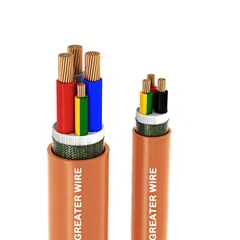
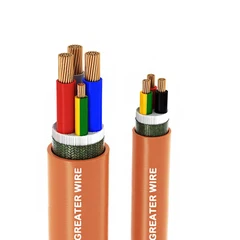

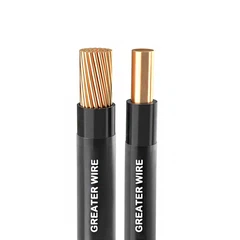
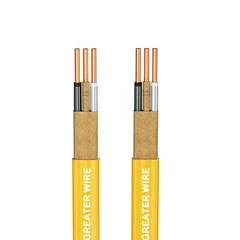
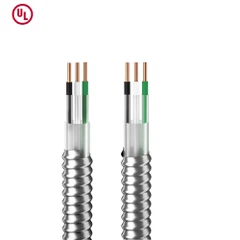
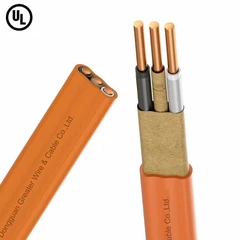
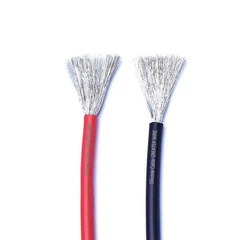
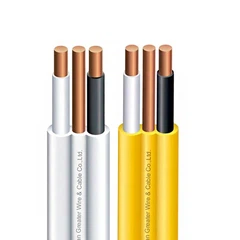
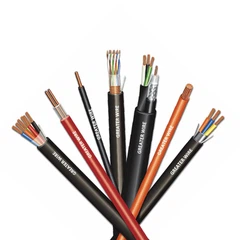
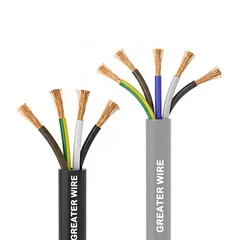
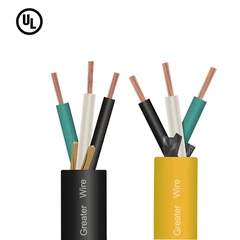
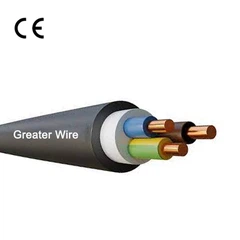
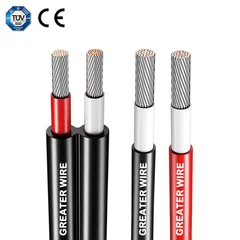

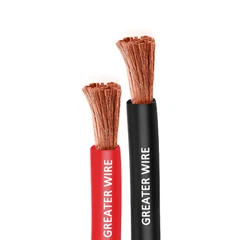
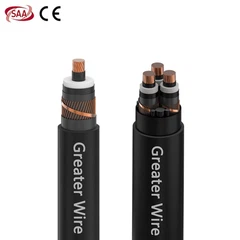
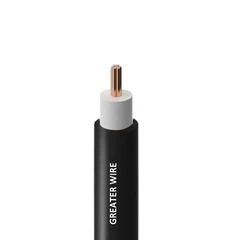
TC-ER cable is widely used in industrial power distribution, control systems, and equipment connections because it can simplify certain exposed-run installations. However, a common question arises when planning underground wiring: Can TC-ER cable be buried directly in the ground without conduit?
The answer is yes, but only when the specific cable is identified and approved for direct burial and the installation complies with applicable electrical codes. The "TC-ER" marking alone does not automatically authorize underground burial. According to UL 1277, cables suitable for direct burial must be identified accordingly. UL 1277 requirements
This guide explains the difference between exposed-run and direct-burial ratings, what to check before purchasing cable, and how to select a suitable solution for industrial projects.

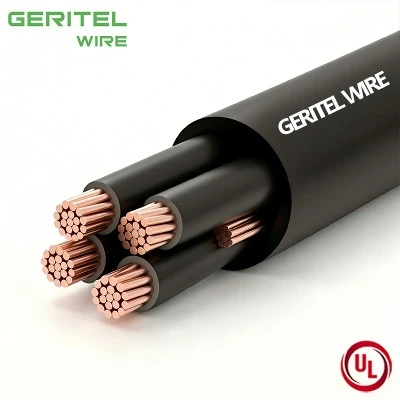
1. What Does TC-ER Mean?
TC-ER stands for Tray Cable–Exposed Run. It describes a type of power and control tray cable that meets additional requirements for certain exposed-run applications.
Under applicable National Electrical Code (NEC) provisions, TC-ER cable can be used in industrial establishments for qualifying connections between cable trays and utilization equipment, subject to conditions such as continuous support and protection against physical damage. The exact permitted installation depends on the applicable code edition, site conditions, and cable listing. Cable Tray Institute
The important distinction is that exposed-run suitability and direct-burial suitability address different installation conditions.
TC-ER: Indicates suitability for specified exposed-run applications.
Direct-burial rating: Indicates that the cable has been evaluated for installation directly in the earth.
Sunlight-resistant rating: Addresses exposure to sunlight, which is a separate consideration from underground installation.
A cable may have more than one of these ratings, but one marking should never be assumed to imply another.
2. Can TC-ER Cable Be Buried Directly in the Ground?
When Direct Burial Is Permitted
A TC-ER cable may be suitable for direct burial when the specific product has the required direct-burial approval or identification and is installed according to the applicable code and manufacturer's instructions.
UL 1277 specifies that cables intended for direct burial are marked on the cable surface to identify that suitability. Depending on the product, the marking may include wording such as "DIRECT BURIAL" or "DIR BUR." UL also explains that the complete certification or listing information on the reel, tag, or package is important when verifying a product's status. UL 1277 · UL Wire and Cable Application Guide
Before approving a cable for an underground installation, confirm:
The product is specifically identified or listed for direct burial.
Its voltage rating and conductor sizes meet the project requirements.
Its insulation and jacket are suitable for the anticipated wet, soil, and environmental conditions.
The installation complies with the applicable NEC or local electrical code.
Any required burial depth, physical protection, warning tape, grounding, and other installation measures are addressed.
When Direct Burial Is Not Permitted
Do not bury a TC-ER cable merely because it is marked "TC-ER," has a tough outer jacket, or is advertised for industrial use.
If the product documentation does not confirm direct-burial suitability, select a cable specifically approved for that purpose or consult the manufacturer and the project's electrical authority before installation. Installing a cable outside its evaluated conditions can create compliance problems and increase the risk of premature failure.
3. TC-ER vs. Direct-Burial Tray Cable
The following comparison helps distinguish the ratings that matter during cable selection.
| Feature | Standard TC-ER cable | TC-ER cable approved for direct burial |
|---|---|---|
| Exposed-run applications | Permitted under applicable conditions | Permitted if its TC-ER rating and installation conditions apply |
| Direct underground burial | Not automatically permitted | Permitted when identified for direct burial and installed according to applicable requirements |
| Wet and soil exposure | Must be verified for the intended environment | Must meet the product's approved conditions for direct burial |
| Sunlight exposure | Must be verified separately | Must be verified separately for any exposed sections |
| Product verification | Check certification, ratings, and installation instructions | Check all of these plus explicit direct-burial identification |
A Direct Burial Tray Cable is therefore not simply any tray cable with a durable jacket. Its suitability must be supported by the relevant product evaluation and markings.
4. What Should Buyers Check Before Purchasing?
For electrical distributors, contractors, OEMs, and procurement teams, reviewing the complete cable specification before ordering can prevent costly substitutions and installation delays.
Confirm the Certification and Product Markings
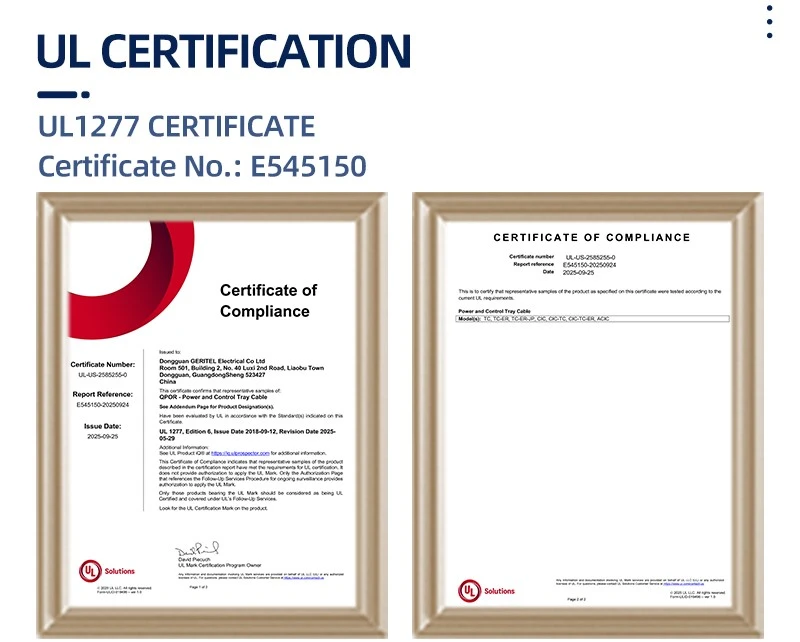
Request the manufacturer's datasheet and relevant listing information. Confirm the cable type, applicable standard, voltage rating, temperature rating, and direct-burial suitability. Where a project requires UL-listed cable, verify the appropriate listing rather than relying solely on a product description or a general claim of compliance.
Check the Conductor and Insulation
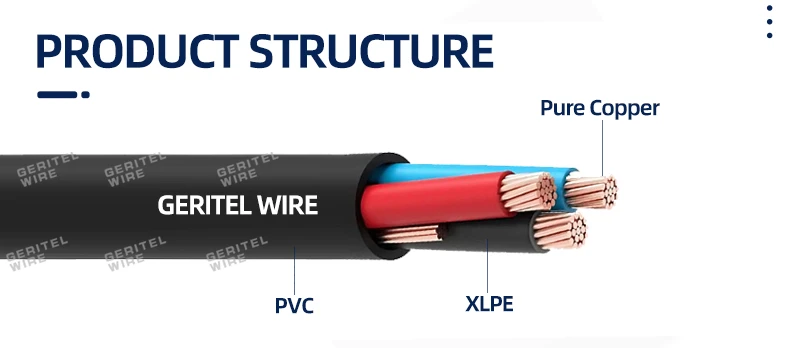
A Copper Tray Cable may be a suitable option for industrial power or control circuits, depending on the required ampacity, conductor size, and application. Copper conductor material alone, however, does not establish that a cable is suitable for underground burial.
Likewise, a THHN Copper Cable designation describes an insulated conductor type, not a universal authorization for direct burial. Individual conductors carrying a THHN marking should not be assumed suitable for direct burial on their own. The complete cable or wiring method must meet the requirements of the intended installation.
Evaluate the Jacket and Environmental Conditions
A PVC Nylon Cable description typically refers to a construction involving PVC insulation and a nylon outer layer or covering, depending on the product. Such construction may provide useful electrical or mechanical properties, but it does not automatically make a cable suitable for direct burial.
Ask the manufacturer to confirm the cable's suitability for prolonged soil contact, moisture, temperature variation, and any expected chemical exposure. If the cable emerges from the ground and continues aboveground, check whether the exposed section also requires sunlight resistance or additional mechanical protection.
Match the Cable to the Application
An Industrial Power Cable intended for factory equipment, outdoor distribution, or underground feeders must be selected according to the electrical load, voltage, installation environment, and applicable code.
For projects requiring VW-1 Tray Cable, remember that VW-1 is a flame-test designation; it is not a direct-burial rating. A cable's flame-test classification and its permission for underground installation are separate matters. Confirm each required property independently.
5. Installation Considerations for Direct-Burial Cable
Even when a cable is approved for direct burial, correct product selection is only one part of a compliant installation.
Verify Burial Depth and Physical Protection
Required burial depth depends on factors such as the wiring method, voltage, installation location, and applicable code provisions. Traffic areas, building entrances, and locations exposed to excavation or mechanical damage may require additional protection. Do not apply one universal depth to every TC-ER installation; consult the applicable code tables and local authority.
Protect Aboveground Transitions
Where an underground cable transitions to an exposed location, consider the risk of impact, abrasion, and damage from maintenance activities. Use an approved wiring method or mechanical protection where required. Also confirm the cable's suitability for any outdoor exposure.
Follow Manufacturer Instructions
Respect the specified minimum bending radius, pulling tension, temperature limits, and any restrictions on installation methods. Avoid damaging the outer jacket during handling or backfilling, and follow applicable requirements for grounding, circuit protection, and inspection.
For projects in jurisdictions outside the United States, confirm the local regulations and accepted cable standards. A UL marking or an NEC-compliant application should not automatically be treated as approval under CSA, IEC, AS/NZS, or another regulatory framework.
6. Frequently Asked Questions
Does every TC-ER cable support direct burial?
No. TC-ER identifies exposed-run suitability under specified conditions, not automatic approval for underground burial. Check the exact product's direct-burial identification and certification.
Can a cable marked VW-1 be buried directly?
Not on the basis of its VW-1 marking alone. VW-1 concerns flame performance, while direct burial requires separate suitability for the intended installation.
Is a copper conductor enough to make a tray cable suitable for burial?
No. Conductor material is only one specification. The complete cable construction, certification, environmental ratings, and installation conditions must be suitable.
Does direct-burial-rated cable always eliminate the need for conduit?
Not necessarily. A direct-burial rating may permit installation in the earth without a raceway under the applicable rules, but conduit or other protection may still be required or appropriate in particular locations. Check local code requirements and project specifications.
What documents should a buyer request?
Request the technical datasheet, applicable listing or certification details, cable markings, environmental ratings, and manufacturer's installation instructions. Confirm that direct-burial suitability applies to the exact model and construction being purchased.
Conclusion
TC-ER cable can be used for direct burial only when the specific product is approved or identified for that application and all installation requirements are met. The TC-ER marking alone is not enough. Buyers should verify direct-burial suitability, conductor and insulation specifications, environmental ratings, and applicable code requirements before ordering or installing cable. A careful review of these details helps reduce compliance risks, avoid unnecessary rework, and ensure that the selected cable matches the project's actual operating conditions.

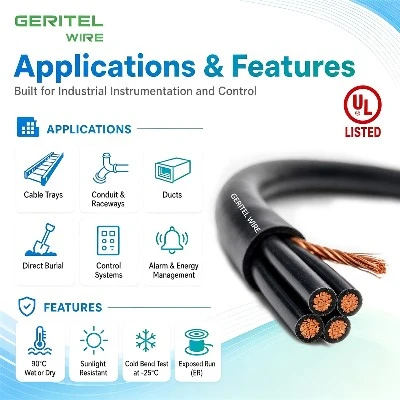
GERITEL WIRE supports electrical distributors, contractors, OEMs, and project buyers with cable solutions for industrial power, control, and other demanding applications. When sourcing Direct Burial Tray Cable, our team can help you review conductor options, insulation and jacket constructions, relevant ratings, and project specifications. Contact GERITEL WIRE to discuss your application, request product information, and identify suitable cable options for your requirements. Before final selection, confirm that the proposed product's certifications and markings meet the applicable installation rules in your market.
Dongguan Greater Wire & Cable Co., Ltd.
Tel/WhatsApp/Wechat: +86 136 6257 9592
Tel/WhatsApp/Wechat: +86 135 1078 4550
Email: manager01@greaterwire.com
Website: www.greaterwire.com