



Understanding AS/NZS 5000.1
AS/NZS 5000.1 is a harmonized standard that covers a wide range of aspects related to electrical wiring systems in buildings and structures. It sets the requirements for cable selection, installation, and performance to ensure that electrical systems operate safely and efficiently. The standard is regularly updated to keep pace with technological advancements and evolving safety needs.

Fire Risks Associated with Electrical Cables
Electrical cables are potential sources of fire ignition. Overheating due to overload, short circuits, or faulty connections can cause the insulation of the cable to catch fire. Once ignited, the fire can spread rapidly through the cable network, especially in confined spaces such as cable trays, ducts, or behind walls. The materials used in cable construction, including the conductor, insulation, and sheath, can either contribute to or mitigate the spread of fire.

AS/NZS 5000.1 and Cable Fire Protection
Flame - Retardant Requirements
AS/NZS 5000.1 does include provisions related to the flame - retardant properties of cables. Cables used in electrical installations are required to have a certain level of resistance to ignition and flame spread. For example, cables are often tested to determine their ability to self - extinguish when exposed to an open flame. The standard may specify the type of flame - retardant materials that can be used in cable insulation and sheathing.
Smoke Emission Standards
In addition to flame retardancy, AS/NZS 5000.1 also addresses the issue of smoke emission during a fire. High - smoke - emitting cables can pose a significant risk to occupants as they can reduce visibility and cause respiratory problems. Cables are required to meet specific smoke emission limits, which are determined through standardized testing methods. This is particularly important in areas where people may be present during a fire, such as commercial buildings, residential complexes, and public spaces.
Fire Resistance and Classification
The standard may classify cables based on their fire resistance capabilities. Different classes of fire - resistant cables are designed to withstand fire for varying durations and under different conditions. For example, some cables are designed to maintain their electrical integrity for a certain period during a fire, allowing essential electrical systems to continue operating. This is crucial for systems such as emergency lighting, fire alarm systems, and smoke extraction systems.

The Role of XLPE - Insulated Cables in Fire Protection
Properties of XLPE
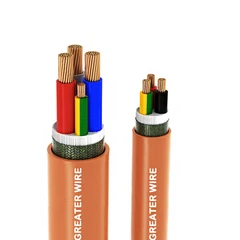
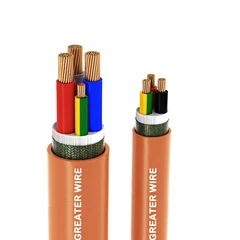
Cross - linked polyethylene (XLPE) is a widely used material for cable insulation. XLPE - insulated cables, such as the SAA xlpe 300mm² orange power cable, Australia xlpe 240mm² orange power cable, and xlpe 150mm² orange power cable, offer several advantages in terms of fire protection. XLPE has good electrical insulating properties, which helps in preventing electrical faults that could lead to fires. Additionally, it has a relatively high melting point, which means that it can withstand elevated temperatures for a longer time compared to some other insulation materials.
Flame - Retardant XLPE
Manufacturers often add flame - retardant additives to XLPE to enhance its fire - resistant properties. These additives work by releasing substances that inhibit the combustion process when the cable is exposed to heat or fire. Flame - retardant XLPE - insulated cables can meet the flame - retardant requirements specified in AS/NZS 5000.1.
Smoke - Reducing Features
Some XLPE - based cables are also designed to have low - smoke - emitting properties. This is achieved through the use of specific formulations and manufacturing processes. Low - smoke - emitting XLPE cables are highly desirable in applications where minimizing the impact of smoke during a fire is crucial.

Installation Practices and Fire Protection
Cable Tray and Duct Design
AS/NZS 5000.1 provides guidelines on the design and installation of cable trays and ducts, which are important for fire protection. Cable trays should be designed to prevent the spread of fire from one cable to another. They may be required to have fire - resistant barriers or coatings. Ducts that house cables should also be constructed with fire - resistant materials and properly sealed to prevent the passage of flames and smoke.
Separation of Cables
The standard may specify the need for separating different types of cables based on their fire - risk potential. For example, power cables, such as the SAA xlpe 300mm² orange power cable which may carry high currents and have a higher fire - risk potential, may need to be separated from control or communication cables. This separation helps to prevent the spread of fire from power cables to other less - critical cables.
Fire Stopping
Fire stopping is an essential part of cable installation for fire protection. AS/NZS 5000.1 may require the use of fire - stopping materials at penetrations through walls, floors, and ceilings. These materials are designed to seal the gaps around cables, preventing the passage of flames and smoke from one area to another.

Testing and Certification
Compliance Testing
Cables must undergo rigorous testing to ensure compliance with AS/NZS 5000.1. Testing laboratories conduct various tests, including flame - retardancy tests, smoke emission tests, and fire - resistance tests. Cables that pass these tests are then certified as compliant with the standard. For example, the SAA xlpe 300mm² orange power cable, Australia xlpe 240mm² orange power cable, and xlpe 150mm² orange power cable will need to go through these tests before they can be used in electrical installations.
Third - Party Certification
To ensure the integrity of the certification process, many manufacturers rely on third - party certification bodies. These bodies independently test and certify cables, providing assurance to installers, end - users, and regulatory authorities that the cables meet the requirements of AS/NZS 5000.1.

Case Studies
High - Rise Building Installation
In a high - rise building in Sydney, the installation of electrical cables was carefully planned in accordance with AS/NZS 5000.1. SAA xlpe 240mm² orange power cables were used for the main power distribution. The cables were selected not only for their electrical performance but also for their fire - resistant properties. The cable trays were designed with fire - resistant barriers, and fire - stopping materials were used at all penetrations. During a small fire incident in the building's basement, the fire was contained, and the electrical systems in the upper floors remained operational, thanks to the proper implementation of fire - protection measures in line with the standard.
Industrial Facility
An industrial facility in Melbourne was equipped with a large number of xlpe 150mm² orange power cables for its manufacturing processes. AS/NZS 5000.1 was strictly adhered to during the installation. The cables were installed in ducts made of fire - resistant materials, and regular inspections were carried out to ensure that the fire - protection measures were maintained. In the event of a fire in a nearby storage area, the cables in the facility were not affected, and production was able to resume quickly.

FAQs
Q: Do all XLPE - insulated cables meet the fire - protection requirements of AS/NZS 5000.1?
A: Not all XLPE - insulated cables meet the fire - protection requirements of AS/NZS 5000.1. Only those cables that have been specifically designed and tested to meet the flame - retardant, smoke - emission, and other fire - related criteria specified in the standard are compliant. Cables with standard XLPE insulation may not have the necessary fire - resistant features, while flame - retardant XLPE - insulated cables are more likely to meet the requirements.
Q: Can I use a non - compliant cable if I install additional fire - protection measures?
A: It is not advisable to use a non - compliant cable even if additional fire - protection measures are installed. AS/NZS 5000.1 is designed to ensure overall safety, and using non - compliant cables can still pose a significant risk. The standard takes into account various factors, and deviation from it may lead to unforeseen fire hazards. It is always best to use cables that are certified as compliant with the standard.
Q: How often should I inspect cables for fire - protection compliance?
A: Regular inspections of cables for fire - protection compliance are recommended. The frequency of inspections may depend on the type of installation, the environment in which the cables are located, and local regulations. In general, annual or biennial inspections are common for commercial and industrial installations. However, in high - risk areas or installations with critical electrical systems, more frequent inspections may be required.

Dongguan Greater Wire & Cable Co., Ltd. focuses on the research and development and production of Australian SAA standard wires, and has been committed to providing high-quality, high-performance wire products to global customers for many years. Every meter of our wire undergoes strict quality testing to ensure that the product fully complies with Australian SAA standards, has excellent heat resistance, water resistance and excellent electrical performance, and provides a solid and reliable guarantee for your engineering projects.