


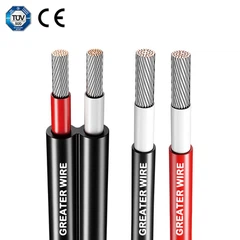

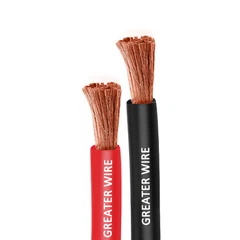
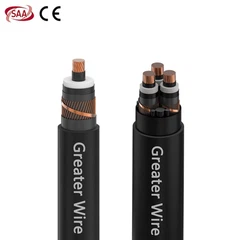
What is an SAA Power Cable?
Before diving into the sizing process, it's important to understand what an SAA power cable is and why it is commonly used in electrical systems in Australia.
The SAA certification stands for Standards Australia, and it guarantees that the cable complies with the Australian standards for safety and performance. SAA power cables are designed for the safe transmission of electrical power in a range of settings, including residential, commercial, and industrial environments.
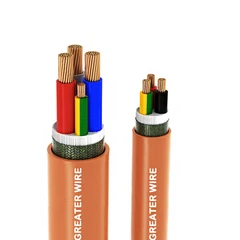
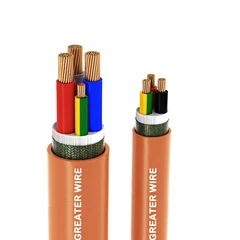
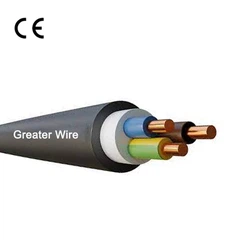
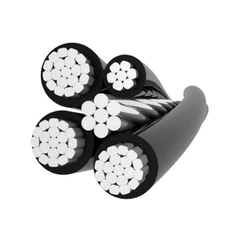
An SAA 4-core XLPE cable is one such power cable with 4 individual cores or conductors within its structure. These cables are typically used for power distribution and control applications. XLPE (cross-linked polyethylene) is used for insulation due to its excellent heat resistance, high electrical insulation properties, and overall durability.

Factors to Consider When Sizing an SAA Power Cable
Several factors influence the correct sizing of an SAA 4-core XLPE cable. Let's explore these in more detail:
1. Current Carrying Capacity (Ampacity)
The ampacity of a cable is the maximum current the cable can safely carry without exceeding its temperature limit. This is one of the most important considerations when selecting the right cable size. If a cable is undersized, it may overheat, resulting in insulation breakdown, power loss, or fire hazards.
The ampacity of a cable depends on:
The conductor material: Copper conductors typically have a higher ampacity than aluminum conductors of the same size.
The insulation material: XLPE insulation can withstand higher temperatures compared to materials like PVC, which increases the cable's current-carrying capacity.
The ambient temperature: Higher ambient temperatures can reduce the ampacity of the cable. Therefore, corrections should be made to account for temperature differences from standard conditions (usually 30°C).
The installation conditions: Cables installed in open air, conduits, or buried in the ground will have different heat dissipation characteristics.
To determine the required cable size, you should calculate the total current load that the cable is expected to carry. Industry standards like the Australian/New Zealand Standard 3000 (AS/NZS 3000) or IEC 60287 provide charts and tables for selecting the appropriate conductor size based on the current load.
2. Voltage Drop
Voltage drop is the loss of voltage that occurs as the electrical current travels through the cable. Excessive voltage drop can result in inefficiency, poor equipment performance, or even damage to electrical devices.
To ensure that the voltage drop is within acceptable limits (typically less than 5% for most installations), the cable size needs to be large enough to minimize the resistance over the distance between the power source and the load.
The voltage drop is influenced by:
The cable length: Longer cables have higher resistance, leading to a greater voltage drop.
The current load: The higher the current passing through the cable, the greater the voltage drop.
The resistance of the conductor: The resistance is directly related to the size and material of the conductor. Copper conductors generally have lower resistance than aluminum, which can reduce the voltage drop.
To calculate the voltage drop, you can use the following formula:Voltage Drop=(2×L×I×R)/1000
Where:
L = Length of the cable (in meters)
I = Current in amperes (A)
R = Resistance per meter of conductor (depending on the material and cable size)
3. Short Circuit Protection
During a short circuit, the cable must be able to withstand the surge of current without being damaged. The short-circuit rating is typically much higher than the regular operating current but should be accounted for to ensure that the cable can handle short-circuit events without compromising the insulation or the overall safety of the system.
The SAA 4-core XLPE cable is designed to withstand short circuits for a limited duration (typically 1 to 3 seconds). However, the cable size should be chosen so that the short-circuit current does not exceed the current-carrying capacity of the cable's insulation material. Short-circuit protection devices, such as fuses or circuit breakers, should be used to protect both the cable and the electrical system.
4. Temperature Rating
The maximum operating temperature of a cable is another key factor when sizing the cable for an application. The XLPE insulation in SAA 4-core XLPE cables is typically rated for use in environments with temperatures of up to 90°C in normal operation. In certain cases, higher temperatures may be allowed, but these need to be factored into the sizing to prevent overheating.
If the cable is to be used in an environment with high ambient temperatures, derating factors should be applied. For instance, cables used in hot locations (above 30°C) or cables that are bundled together (which can cause heat buildup) may require a larger size to compensate for the higher temperature.
5. Mechanical Strength and Protection
The physical protection of the cable is essential, particularly for installations in harsh environments. SAA 4-core XLPE cables are designed to provide robust mechanical protection against abrasions, impacts, and environmental damage.
However, for applications that involve exposure to chemicals, oils, or other harsh conditions, additional protection may be required. Cables may be armored or placed in conduits to protect them from mechanical damage, moisture, or other environmental factors.
When selecting the size of the cable, it is essential to consider the mechanical requirements of the installation, such as:
Cable flexibility: For dynamic or movable installations, a more flexible cable might be necessary.
Armoring: For underground installations or locations with high mechanical stress, armored cables are often used to protect the cable from damage.

Step-by-Step Guide to Sizing an SAA 4-Core XLPE Cable
To determine the correct size for an SAA 4-core XLPE cable, follow this step-by-step process:
Determine the Load Current: Calculate the total load current that the cable is expected to carry based on the electrical devices or equipment being powered.
Select the Material and Voltage Rating: Choose the conductor material (copper or aluminum) and the voltage rating of the cable. Copper cables typically have a higher ampacity than aluminum cables, but aluminum is often chosen for cost-effective installations.
Calculate the Voltage Drop: Ensure that the voltage drop over the length of the cable is within acceptable limits (typically less than 5%).
Check for Short Circuit Protection: Ensure that the cable is rated to withstand potential short-circuit conditions and that protection devices are appropriately selected.
Account for Ambient Temperature: Apply any necessary temperature derating factors based on the cable's installation environment.
Select Cable Size: Using current-carrying capacity tables and voltage drop calculations, select the appropriate cable size. Cable sizing charts for SAA 4-core XLPE cables are typically available from manufacturers and electrical standards organizations.
Consider Mechanical Protection: Choose whether additional mechanical protection is needed, such as armoring or extra sheathing, based on the installation environment.

Practical Applications of Sizing an SAA 4-Core XLPE Cable
SAA 4-core XLPE cables are used in a wide variety of applications, from residential wiring to large-scale industrial power systems. Here are some examples of how sizing considerations apply in practice:
Residential Power Distribution: For a typical household, a SAA 4-core XLPE cable is often used for wiring heavy appliances such as air conditioners or ovens. The cable size will depend on the power demand of the appliance and the distance from the electrical panel.
Commercial Electrical Systems: In commercial buildings, larger SAA 4-core XLPE cables are required for power distribution to various floors and systems. The cable size needs to be calculated based on the total load, voltage drop, and potential for future expansion.
Industrial Applications: In industries such as manufacturing or mining, SAA 4-core XLPE cables are used to power heavy machinery. These cables must be sized to accommodate high currents, short circuits, and potential environmental hazards such as moisture or chemicals.

Dongguan Greater Wire & Cable Co., Ltd. specializes in the production of Australian SAA certified wires and is committed to providing safe and stable product guarantees for all types of electrical engineering. Every meter of our Australian SAA certified wires has been strictly tested, using advanced production processes and high-quality raw materials to ensure stable operation in high temperature, high humidity and harsh environments. With the spirit of technological innovation and excellence, the company continuously improves product quality, wins the trust and praise of customers, and becomes an industry benchmark in the field of wires.