























Understanding SAA Power Cables
Before diving into the moisture-resistant properties of SAA 25mm XLPE cables, it is important to understand what SAA certification means and what the term "XLPE" stands for.
SAA Certification
The SAA (Standards Australia) certification is a mark of safety compliance for electrical products sold and used in Australia. It ensures that the product meets Australian safety standards, particularly in the areas of electrical performance, fire resistance, and mechanical durability. SAA certification is essential for any electrical cable that will be installed in homes, commercial buildings, or industrial sites in Australia, as it confirms the cable is safe for use according to local regulations.
XLPE (Cross-Linked Polyethylene) Insulation
XLPE (cross-linked polyethylene) is a type of thermoset plastic that is widely used in the insulation of electrical cables. The cross-linking process improves the material's thermal, mechanical, and chemical properties compared to traditional thermoplastics like PVC. XLPE cables are known for their superior resistance to heat, chemicals, and moisture, making them suitable for a variety of challenging environments.

Moisture Resistance in Electrical Cables
The ability of a cable to resist moisture is a critical feature, especially in outdoor installations, underground applications, or areas prone to water ingress. Moisture can severely affect the performance and longevity of electrical cables. It can cause insulation to degrade, which may result in electrical shorts, power loss, or even fire hazards.
Key Factors That Influence Moisture Resistance
The moisture resistance of electrical cables depends on several factors:
Insulation Material: The type of material used to insulate the cable plays a significant role in moisture resistance. XLPE insulation is inherently moisture-resistant, which makes it an excellent choice for environments where exposure to water is likely.
Cable Construction: The overall construction of the cable, including the number of protective layers and the design of the outer sheath, can significantly impact its ability to resist moisture. Additional layers, such as water-blocking tapes or fillers, can enhance moisture resistance.
Jacket Material: The outer jacket of a cable acts as the first line of defense against moisture. Cables with special coatings or jackets designed for wet or underwater applications are more resistant to water ingress.
Sealing Technologies: In some cases, cables may incorporate advanced sealing technologies, such as moisture-blocking compounds or tapes, to prevent water from penetrating the cable.

Is the SAA 25mm XLPE Cable Moisture-Resistant?
The SAA 25mm XLPE cable is widely used for electrical installations, including power distribution, due to its robust construction and excellent insulating properties. When it comes to moisture resistance, the XLPE insulation plays a significant role in protecting the cable from water damage. Here's how it performs under various conditions:
1. Moisture Resistance of XLPE Insulation
XLPE is known for its excellent resistance to moisture, which makes it suitable for use in both wet and humid environments. The SAA 25mm XLPE cable can effectively resist the ingress of moisture under normal operating conditions, provided the cable is installed correctly and not subjected to extreme water exposure.
Water Absorption: Unlike some other types of insulation, XLPE is not hygroscopic, meaning it does not absorb water. This property prevents the insulation from swelling or breaking down when exposed to moisture, which could lead to electrical faults.
Resistance to Water Migration: XLPE also has a high resistance to water migration along the length of the cable, preventing moisture from traveling along the cable and affecting its performance over time.
However, while XLPE insulation offers good moisture resistance, it does not make the cable completely waterproof. It can withstand exposure to water under typical operating conditions, but direct or prolonged exposure to water or submersion in water could lead to potential issues.
2. Outer Sheath and Water Resistance
The outer sheath of the SAA 25mm XLPE cable is designed to provide additional protection against environmental factors, including moisture. While the XLPE insulation itself offers good moisture resistance, the outer sheath typically provides extra durability and protection against mechanical damage, abrasion, and environmental exposure.
Standard Outer Sheath: In most SAA 25mm XLPE cables, the outer sheath is made of polyethylene (PE) or PVC. Both materials provide some level of water resistance, but they are not inherently waterproof. If the cable is exposed to continuous moisture, such as in submerged or constantly wet conditions, the outer sheath may eventually degrade, allowing water to penetrate and reach the insulation.
Waterproof Outer Sheath Options: For applications requiring higher levels of moisture protection, there are waterproof cables available that feature additional layers or coatings, such as thermoplastic elastomer (TPE) or water-blocking compounds, that prevent water ingress more effectively.
3. Applications of SAA 25mm XLPE Cables in Moist Environments
The SAA 25mm XLPE cable is typically used in dry or moderately moist environments where there is a risk of occasional exposure to moisture but not continuous or submersible water conditions. Some common applications include:
Power Distribution: The cable is widely used in both indoor and outdoor power distribution systems, where it may be exposed to rain or humidity.
Industrial Installations: In industrial settings where cables may be exposed to moisture, such as manufacturing plants or warehouses, the SAA 25mm XLPE cable can be used without significant risk of damage, as long as the moisture levels do not exceed the cable's design limits.
Underground Installations: The cable can also be used in underground power lines, where it may come into contact with groundwater. However, proper installation techniques, such as placing the cable in protective conduits, are recommended to prevent water from directly affecting the cable.
For applications in extremely wet environments, such as areas with direct water immersion (e.g., underwater installations, deep-well pumping stations), it is recommended to use waterproof cables specifically designed for such conditions. These cables typically feature advanced water-blocking features and specialized sheathing materials to prevent water from entering the cable and damaging the internal components.

Waterproofing and Moisture Protection for Cables
For applications that require cables to be directly exposed to water, waterproof cables are necessary. These cables typically feature:
Water-blocking tapes or gels: These materials are incorporated into the cable's construction to prevent water from traveling along the cable's length.
Robust outer sheaths: Waterproof cables feature outer sheaths made from materials that provide excellent resistance to moisture ingress, such as thermoplastic elastomer (TPE), polyurethane, or specially coated polyethylene.
Sealing Technologies: Some waterproof cables also use sealing mechanisms at the ends or connections, ensuring that water cannot enter the cable during operation.

How to Protect Cables in Moist Environments
If you're using SAA 25mm XLPE cables in environments with high moisture levels, consider the following measures to ensure their longevity and safety:
Conduits: Use protective conduits, such as PVC or metal conduit pipes, to shield cables from direct contact with water or moisture. Conduits will provide an extra layer of protection against water ingress.
Proper Installation: Ensure that cables are installed in dry areas, with adequate sealing at cable entry points, to prevent moisture from entering the cable.
Waterproof Coatings: Apply waterproof coatings to the outer sheath of cables if the cable will be exposed to prolonged moisture or damp conditions. These coatings will provide additional protection against water damage.
Regular Inspections: Conduct periodic inspections of cables installed in moist environments to check for signs of wear, cracking, or other damage that could allow moisture to penetrate.
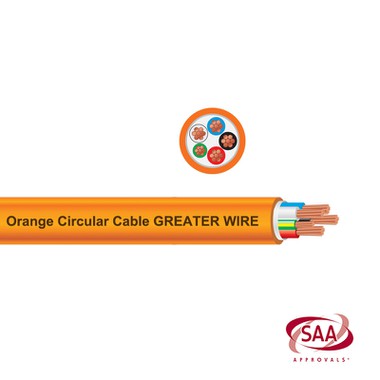
Choosing Dongguan Greater Wire & Cable Co., Ltd. means choosing the perfect combination of professionalism, quality and service! Our Australian SAA certified wires are not only of high quality and excellent performance, but also of favorable prices and first-class service, helping your project to achieve a complete success. Contact us now to experience the quality guarantee brought by top-level wire products!