























Introduction to SAA Orange Circular Power Cables
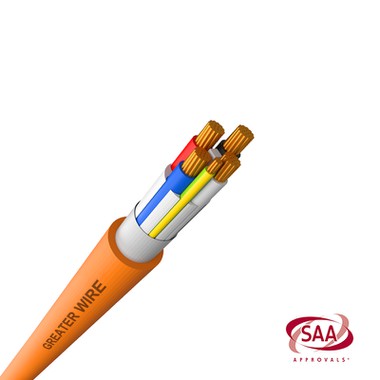
The SAA orange circular power cable, specifically the SAA 2-core XLPE orange power cable, is an essential component in Australia's electrical infrastructure. These cables are designed to handle power distribution in various settings, including residential, commercial, and industrial applications. The SAA certification ensures that the cable meets the stringent safety standards required by Australian regulations.
The orange color typically indicates a cable designed for power supply, and the use of XLPE (cross-linked polyethylene) as the insulating material enhances its heat resistance and mechanical strength. However, when cables are exposed to outdoor conditions, particularly UV radiation from the sun, their performance and longevity can be affected. As such, the question arises: Is the SAA orange circular power cable resistant to UV rays?

Understanding UV Rays and Their Impact on Power Cables
UV rays are part of the electromagnetic spectrum and are emitted by the sun. These rays are responsible for causing damage to various materials over time, especially plastics and rubbers. When electrical cables are exposed to direct sunlight, the UV radiation can degrade their outer insulation, leading to a number of potential issues:
Cracking and Brittle Insulation: Prolonged exposure to UV rays can cause the insulation of the cable to become brittle, leading to cracking and the potential for electrical shorts or fires.
Decreased Durability: Over time, UV exposure can weaken the materials that make up the cable's outer jacket, reducing the overall lifespan of the cable.
Color Fading: While this may not directly affect the cable's functionality, UV radiation can cause the color of the cable's outer jacket to fade, potentially indicating material degradation.
Given the importance of protecting cables from UV damage, it is essential to understand whether SAA 2-core XLPE orange power cables have been designed with UV resistance in mind.

UV Resistance in Cables: The Role of XLPE Insulation
The SAA 2-core XLPE orange power cable uses XLPE (cross-linked polyethylene) as its primary insulation material. XLPE is known for its excellent thermal and mechanical properties, but how does it fare when exposed to UV rays?
1. XLPE and UV Resistance
XLPE insulation is relatively resistant to UV radiation when compared to traditional thermoplastic materials like PVC. However, XLPE is not inherently UV-resistant. Over prolonged exposure to UV light, XLPE insulation can degrade unless it has been specifically treated or coated to resist UV radiation.
Most SAA 2-core XLPE orange power cables are not designed to be directly exposed to UV rays for extended periods without additional protective measures. While XLPE has some UV resistance, the outer jacket of the cable is usually the most exposed part to UV radiation. For this reason, manufacturers often incorporate UV-resistant additives into the outer jacket material to ensure the cable can withstand direct sunlight without degrading.
2. UV Stabilizers and Additives
To improve UV resistance, manufacturers often add UV stabilizers and antioxidants to the outer jacket of the cable. These chemicals help absorb and neutralize harmful UV radiation, thereby preventing damage to the insulation. The addition of UV stabilizers is especially critical for cables that are used in outdoor or exposed environments.
Some SAA orange circular power cables come with an outer layer of UV-resistant polyethylene or other UV-stabilized compounds, which offer an additional layer of protection against the harmful effects of UV rays. These cables are often referred to as "UV-resistant cables," and they are specifically designed to be used in outdoor applications where direct sunlight exposure is unavoidable.

Is the SAA 2-Core XLPE Orange Power Cable UV Resistant?
While the SAA 2-core XLPE orange power cable offers a variety of benefits for electrical installations, its UV resistance largely depends on the composition of its outer jacket and any additional treatments that have been applied to the cable during manufacturing.
1. Standard SAA Orange Circular Power Cables
For most SAA 2-core XLPE orange power cables, the insulation itself is not inherently UV-resistant. Without additional UV-resistant coatings or additives, prolonged exposure to direct sunlight can cause degradation to the outer jacket, which may lead to cracking, fading, or weakening of the cable. This can be particularly problematic in outdoor installations or places with high sun exposure.
2. UV-Resistant SAA Orange Power Cables
However, many SAA orange circular power cables are available with UV-resistant outer jackets. These cables are designed for outdoor use and can be exposed to UV radiation without significant degradation over time. The UV-resistant additives in the outer jacket help protect the cable from the harmful effects of sunlight, making them suitable for a variety of outdoor and exposed installations, such as:
Street lighting installations
Outdoor power distribution
Power cables for outdoor industrial machinery
Solar energy systems
These UV-resistant cables are usually marked with specific labels indicating their suitability for UV exposure. If you are looking for a cable that will be exposed to sunlight for long periods, it is essential to select a cable that explicitly states UV resistance in its specifications.

Applications of SAA Orange Circular Power Cables in Outdoor Environments
The SAA 2-core XLPE orange power cable is commonly used for electrical installations in a range of environments. While many installations occur indoors, these cables are also widely used in outdoor applications, such as:
Construction Sites: Powering temporary lighting, machinery, and equipment.
Agricultural Installations: Powering irrigation systems, machinery, and outdoor lighting.
Mining and Oil Operations: Supplying power to heavy machinery, lights, and control systems.
Renewable Energy Installations: Connecting solar panels to inverters or power grids.
In each of these applications, UV resistance is a critical factor in ensuring the longevity and reliability of the cable. Exposed cables that are not UV-resistant can suffer from cracking and insulation breakdown over time, leading to safety hazards and costly repairs or replacements.
How to Enhance the UV Resistance of Power Cables
If you're using the SAA 2-core XLPE orange power cable in an environment with significant sunlight exposure, consider the following methods to enhance the UV resistance of the cable:
Use UV-Resistant Cable Jackets: Always choose cables that are designed with UV-resistant outer jackets or specifically mention UV protection in their technical specifications.
Install Protective Conduits: For additional protection, you can run the cables through protective conduits that shield them from UV rays. This is especially important in locations where cables are exposed to direct sunlight for long periods.
Apply UV-Protective Coatings: If you're using non-UV-resistant cables, consider applying UV-resistant coatings to the cables. These coatings create an additional barrier between the cable and the sun, extending its lifespan.
Regular Inspection and Maintenance: In high UV exposure environments, it's important to conduct regular inspections to check for signs of cable degradation, such as discoloration, cracking, or brittleness. Replacing damaged cables promptly can prevent further issues.

In the fierce market competition, Dongguan Greater Wire & Cable Co., Ltd. takes the professional production of Australian SAA certified wires as its core competitiveness. We continue to pursue technological innovation and quality improvement to ensure that each wire can meet customers' high requirements for safety and durability.