

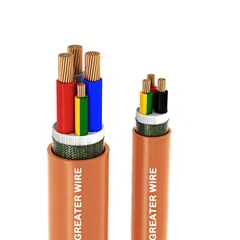
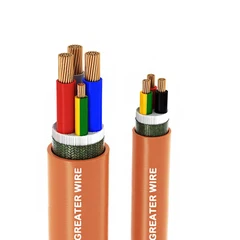

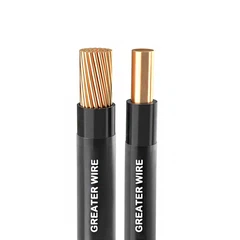
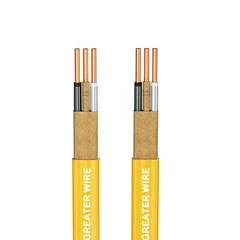
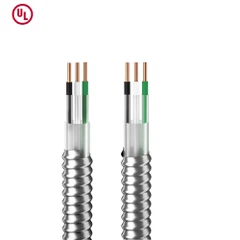
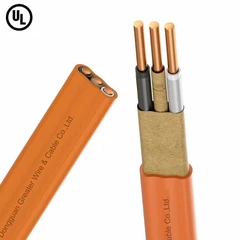
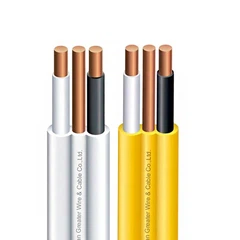
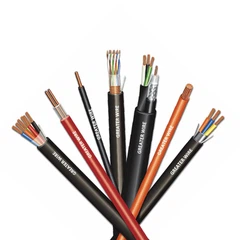
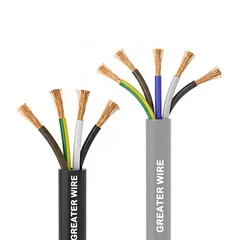
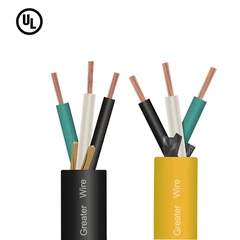
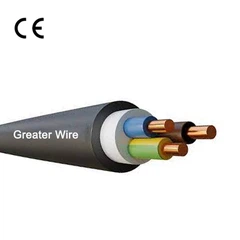
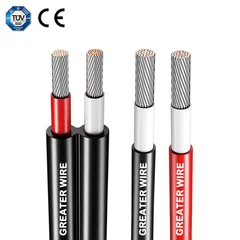

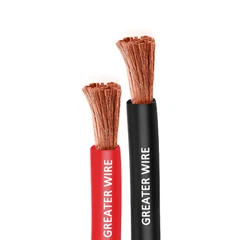
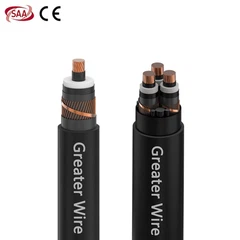
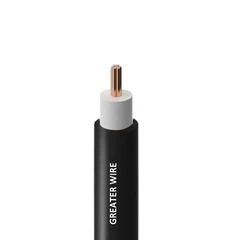
What is an SAA Orange Circular Power Cable?
Before we dive into the temperature aspects of the SAA 240 sq mm XLPE cable, let's first clarify what an SAA orange circular power cable is and why it is commonly used in electrical systems.
SAA Certification
The SAA (Standards Australia) certification is a mark that indicates compliance with Australian safety and performance standards. It ensures that cables and electrical equipment meet the required safety standards and are safe to use in the Australian market. This certification is particularly important when choosing cables for installations in residential, commercial, and industrial environments, as it guarantees reliability and adherence to national electrical codes.
XLPE Insulation
XLPE (Cross-Linked Polyethylene) is a high-performance insulation material commonly used in power cables. It is created through a process of cross-linking polyethylene molecules, which enhances the material's thermal stability, mechanical strength, and resistance to chemicals and moisture. XLPE cables, such as the SAA 240 sq mm XLPE cable, are known for their ability to operate at high temperatures without compromising the cable's integrity.
Orange Circular Power Cable
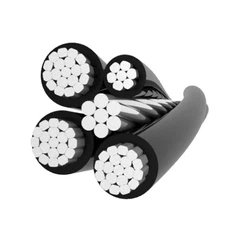
The SAA orange circular power cable refers to a specific type of cable design that is typically used for power transmission. It is called "circular" due to the circular arrangement of the conductor cores within the cable. These cables are available in various sizes, including 240 sq mm, and are often used in heavy-duty electrical applications, such as industrial installations, power distribution systems, and underground cabling.

The Maximum Operating Temperature of the SAA 240 sq mm XLPE Cable
The maximum operating temperature of a cable is a critical specification, as it defines the highest temperature at which the cable can safely operate without damaging its insulation or other components. The SAA 240 sq mm XLPE cable has specific thermal performance capabilities due to the properties of the XLPE insulation.
General Temperature Rating for XLPE Cables
For SAA 240 sq mm XLPE cables, the typical maximum operating temperature is 90°C for continuous operation. This means that the cable can be safely used in environments where the temperature does not exceed this threshold. However, XLPE insulation is highly resistant to heat and can withstand short-term temperature surges up to 130°C.
Here's a breakdown of the temperature limits for XLPE cables:
Continuous operating temperature: 90°C (194°F)
Maximum short-circuit temperature: 250°C (482°F) for up to 5 seconds
Storage and installation temperature: -10°C to 50°C (14°F to 122°F)
These temperature limits are crucial for ensuring that the cable operates safely under normal and extreme conditions. If the temperature exceeds the rated maximum, the cable may overheat, causing degradation of the insulation, potential electrical faults, and increased risk of fire hazards.

Factors That Influence the Maximum Operating Temperature
Several factors affect the actual operating temperature of the SAA 240 sq mm XLPE cable in a given installation. These factors include the installation environment, the load the cable is carrying, and the conditions under which the cable is used.
1. Ambient Temperature
The ambient temperature refers to the temperature of the environment in which the cable is installed. Cables operating in warmer environments will experience higher temperatures, and this must be accounted for in the design process. When installing an SAA 240 sq mm XLPE cable, adjustments may be necessary to account for higher ambient temperatures, as they can reduce the cable's overall ampacity (the maximum current it can carry safely).
For example, the current-carrying capacity of the SAA 240 sq mm XLPE cable might need to be derated if the cable is used in areas with ambient temperatures higher than 30°C (86°F). The derating factors are provided in cable specifications or regulations, ensuring that the cable continues to operate safely.
2. Current Load
The current load carried by the cable also influences its temperature. As current flows through a conductor, it generates heat due to the resistance of the material. The higher the current, the more heat is generated, which can increase the temperature of the cable. For this reason, it is essential to size the SAA 240 sq mm XLPE cable appropriately to ensure that it is not carrying more current than it is rated to handle.
Excessive current load can cause the cable to exceed its maximum temperature rating, leading to potential insulation failure or even fire hazards. This is why it is important to calculate the total electrical load and select the appropriate cable size to prevent overheating.
3. Installation Conditions
The way the cable is installed also plays a significant role in its temperature. Different installation conditions affect the cable's ability to dissipate heat:
Cables in open air: Cables that are exposed to the open air have better heat dissipation, allowing them to run at higher current loads without overheating.
Cables in ducts or conduits: When cables are installed in ducts or conduits, heat dissipation is more limited. The confined space can trap heat, raising the temperature of the cable. As such, cables installed in ducts may require a higher size to account for the reduced ability to cool.
Cables buried underground: Cables installed underground are subject to different thermal properties depending on soil type, moisture, and depth. The cable may need to be derated or oversized to compensate for the reduced cooling capacity in these conditions.
4. Conductor Material
The conductor material also impacts the thermal performance of the cable. Copper conductors, which are commonly used in SAA 240 sq mm XLPE cables, have excellent thermal conductivity, meaning they can dissipate heat more efficiently than aluminum conductors. Copper conductors allow for higher ampacity, making them ideal for high-power applications.
The higher the ampacity, the more heat is generated. Therefore, it is important to ensure that the cable is appropriately sized for the application and installed in conditions that allow for sufficient cooling.

What Happens if the Maximum Operating Temperature Is Exceeded?
Exceeding the maximum operating temperature of an SAA 240 sq mm XLPE cable can lead to several risks and performance issues. Here's what can happen if the temperature exceeds the specified limits:
1. Degradation of Insulation
The XLPE insulation in the cable is designed to withstand a maximum operating temperature of 90°C. If the cable exceeds this temperature, the insulation material begins to degrade. This degradation leads to:
Reduced electrical insulation resistance
Increased risk of electrical faults
Shortened cable lifespan
Over time, degraded insulation can cause the cable to fail, potentially leading to power outages or fire hazards.
2. Overheating and Fire Risk
If the temperature exceeds the cable's rated limit, the conductor and insulation may overheat. Prolonged overheating of cables can cause thermal runaway, leading to the melting of the insulation and even fire. This is a significant safety risk, especially in industrial or residential settings where multiple electrical systems are interconnected.
3. Increased Energy Losses
As cables overheat, the resistance of the conductors increases, leading to higher energy losses. This inefficiency results in wasted power and higher operational costs. In extreme cases, overheating can cause the cable to fail completely, leading to downtime and potentially expensive repairs or replacements.

How to Ensure Safe Operation of an SAA 240 sq mm XLPE Cable
To ensure that your SAA 240 sq mm XLPE cable operates safely within its temperature limits, consider the following tips:
Proper Cable Sizing: Ensure that the cable is appropriately sized for the application, taking into account the current load, voltage, and the distance over which the electricity is transmitted.
Use Cable Derating Factors: Consider the ambient temperature, installation conditions, and the type of conductor material when selecting the cable size. If necessary, apply derating factors to account for higher temperatures.
Install Cables in Well-Ventilated Areas: Whenever possible, install cables in open, well-ventilated areas to allow for better heat dissipation.
Avoid Overloading: Do not exceed the maximum current rating of the cable. If the load is expected to increase in the future, consider selecting a larger cable size.
Regular Inspections: Periodically inspect the cables for signs of wear, overheating, or damage. Ensure that the insulation is intact and that the cables are functioning within their safe temperature range.

Dongguan Greater Wire & Cable Co., Ltd. insists on producing wires that meet the Australian SAA certification and has focused on the research and development and manufacture of high-performance wires for many years. Our Australian SAA certified wires are widely used in industrial, commercial and residential projects due to their excellent heat resistance, water resistance and chemical corrosion resistance. Whether it is the installation requirements in complex environments or the high-demand safety electrical systems, our products can provide ultra-long service life and stable electrical performance, allowing each project to run with peace of mind.