























Overview of AS/NZS 5000.1
Scope and Significance
AS/NZS 5000.1 is a comprehensive standard that encompasses a wide range of electrical cables used in different applications, from residential to industrial setups. Its primary goal is to ensure the safety, reliability, and compatibility of cables within the electrical systems of Australia and New Zealand. By setting strict requirements for cable construction, performance, and testing, it provides a framework that manufacturers, installers, and end - users can rely on.
General Requirements Related to Cable Performance
Electrical Performance: Cables must meet specific criteria for electrical conductivity, insulation resistance, and voltage withstand capabilities. For example, the insulation should prevent electrical leakage under normal and abnormal operating conditions, ensuring the safe and efficient transfer of electricity.
Mechanical Properties: The standard also addresses mechanical strength, including tensile strength, flexibility, and resistance to abrasion. Cables need to endure the forces exerted during installation, regular operation, and any potential mechanical stress in their environment.
Chemical Exposure in Cable Installation Environments
Common Chemicals Encountered
Industrial Settings: In industrial areas, cables may come into contact with a variety of chemicals. For instance, in manufacturing plants, they could be exposed to acids such as sulfuric acid or hydrochloric acid, which are used in processes like metal cleaning and etching. Alkaline substances like sodium hydroxide, commonly used in chemical production and wastewater treatment, are also potential hazards. Organic solvents, such as benzene, toluene, and acetone, which are widely used in the production of plastics, paints, and adhesives, can also affect cable integrity.
Outdoor Environments: Even in outdoor settings, cables are not immune to chemical exposure. Rainwater can carry pollutants from the atmosphere, including acidic oxides such as sulfur dioxide and nitrogen oxides, which form acid rain. Additionally, cables installed near agricultural fields may be exposed to pesticides and fertilizers, which can contain chemicals like phosphates, nitrates, and various organic compounds.
Potential Effects of Chemical Exposure on Cables
Insulation Degradation: Chemicals can react with the insulation material of cables. For example, some acids can break down the molecular structure of XLPE (Cross - Linked Polyethylene) insulation, reducing its dielectric strength. This can lead to electrical leakage, short circuits, and ultimately, cable failure. Alkaline substances can also cause swelling or embrittlement of insulation materials, compromising their mechanical and electrical properties.
Conductor Corrosion: Metals used in cable conductors, such as copper and aluminum, are susceptible to corrosion when exposed to certain chemicals. For instance, copper can react with sulfur - containing compounds to form copper sulfide, which increases the resistance of the conductor. Aluminum is prone to corrosion in the presence of alkaline substances, which can weaken the conductor and lead to power loss and potential breakage.
AS/NZS 5000.1 Requirements for Chemical Resistance
Material Selection
Insulation Materials: AS/NZS 5000.1 specifies the use of materials with inherent chemical resistance for cable insulation. XLPE, which is commonly used in many cables covered by this standard, has good resistance to a wide range of chemicals. However, for environments with extreme chemical exposure, more specialized insulation materials may be required. For example, fluoropolymer - based insulations, such as polytetrafluoroethylene (PTFE), offer superior chemical resistance but are more expensive and may have different processing requirements.
Sheath Materials: The sheath of a cable provides an additional layer of protection against chemical exposure. PVC (Polyvinyl Chloride) is a commonly used sheath material in cables compliant with AS/NZS 5000.1. It has decent resistance to many chemicals, but in more aggressive environments, materials like polyethylene (PE) or thermoplastic elastomers (TPE) with enhanced chemical resistance may be specified. These materials can withstand exposure to a broader spectrum of chemicals without significant degradation.
Testing Procedures
Chemical Immersion Tests: Cables are subjected to chemical immersion tests as part of the AS/NZS 5000.1 compliance process. In these tests, samples of the cable are immersed in specific chemicals for a defined period, typically at elevated temperatures. After the immersion, the cables are examined for any signs of physical or electrical degradation. For example, the insulation resistance and dielectric strength are measured to ensure they still meet the standard's requirements. Visual inspection is also carried out to detect any changes in the appearance of the insulation or sheath, such as swelling, discoloration, or cracking.
Accelerated Aging Tests: To simulate long - term chemical exposure, accelerated aging tests are performed. These tests expose the cables to a combination of chemicals, heat, and humidity over an extended period. The results of these tests help predict the cable's performance and lifespan in real - world environments with chemical exposure. By subjecting the cables to more severe conditions in a controlled laboratory setting, manufacturers can ensure that the cables will last for the expected service life when installed in actual applications.

Case Studies of Cables Covered by AS/NZS 5000.1
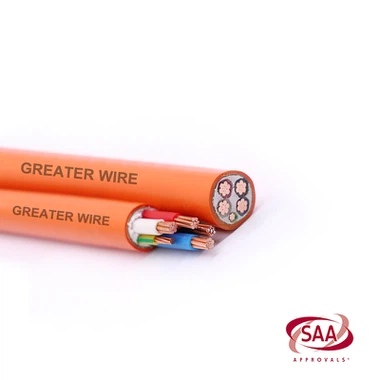
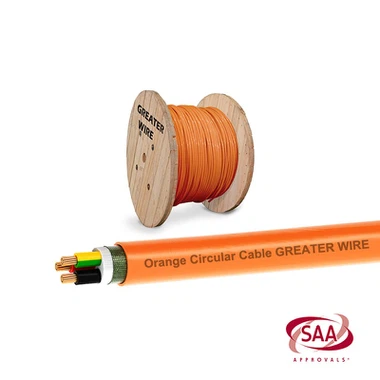
AS/NZS 5000.1 16mm Orange Circular Cable
Typical Applications and Chemical Exposure Risks: The 16mm orange circular cable is often used in medium - voltage distribution systems, both in industrial and commercial settings. In industrial plants, it may be installed near chemical processing areas, where it could be exposed to the chemicals used in the production processes. For example, in a petrochemical plant, it might be exposed to hydrocarbons and various chemical additives.
How AS/NZS 5000.1 Protects This Cable: According to the standard, the insulation and sheath materials of this cable are selected to withstand the expected chemical exposure in its application areas. If the plant has a high risk of exposure to hydrocarbons, the XLPE insulation and a compatible sheath material with good hydrocarbon resistance, such as a specially formulated PVC or PE, will be used. Regular testing, as per AS/NZS 5000.1, ensures that the cable maintains its integrity over time, even in the presence of these chemicals.
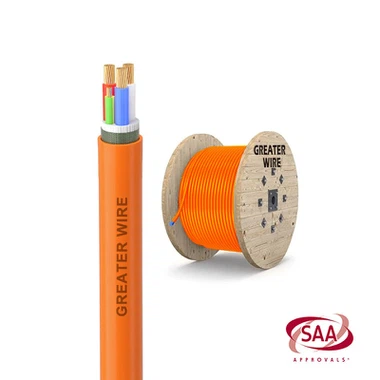
SAA 120mm XLPE Orange Power Cable
Applications and Chemical Challenges: This larger - gauge cable is typically used in high - power transmission and distribution, often in outdoor substations and large - scale industrial facilities. Outdoor installations expose it to environmental chemicals, such as acid rain and industrial pollutants. In industrial facilities, it may also be near areas where heavy - duty chemicals are stored or used.
AS/NZS 5000.1 Compliance Measures: AS/NZS 5000.1 requires the use of high - quality XLPE insulation for this cable, which has good resistance to environmental chemicals. The sheath is designed to provide additional protection against moisture and chemical ingress. The cable undergoes rigorous testing, including chemical immersion and accelerated aging tests, to ensure it can withstand the harsh conditions of its installation environment. In areas with high pollution levels, the cable may be further protected with additional coatings or barriers, as specified by the standard.
Australia 16mm XLPE 2 - Core Orange Power Cable
Usage Scenarios and Chemical Threats: The 16mm XLPE 2 - core orange power cable is commonly used in smaller - scale industrial applications and some residential wiring in areas with specific electrical requirements. In industrial settings, it may be exposed to a range of chemicals depending on the nature of the manufacturing process. In residential areas, it could be affected by chemicals used in gardening or home maintenance, such as fertilizers and cleaning agents.
Standard - Compliant Protection: AS/NZS 5000.1 ensures that the cable's insulation and sheath materials are suitable for the expected chemical exposure in these applications. For residential use, the materials are selected to resist common household chemicals. In industrial applications, the cable may be designed with enhanced chemical resistance features, such as a thicker insulation layer or a more robust sheath material. Regular testing, as mandated by the standard, helps identify any potential issues related to chemical exposure and ensures the cable's continued safe operation.
10mm Orange Circular 2 - Core and Earth Cable
Applications and Chemical Exposure Concerns: This type of cable is often used in low - voltage electrical systems, both indoors and outdoors. Indoors, it may be exposed to chemicals from cleaning products or accidental spills. Outdoors, it can be affected by environmental chemicals, similar to other outdoor - installed cables.
AS/NZS 5000.1 - Based Protective Measures: The standard requires the use of materials that can withstand the typical chemical exposure in these applications. The insulation and sheath materials are chosen to be resistant to common indoor and outdoor chemicals. For example, the PVC sheath provides protection against many household chemicals, and the XLPE insulation offers good electrical performance even when exposed to mild chemical substances. Testing procedures specified by AS/NZS 5000.1 help verify the cable's resistance to chemical exposure over its service life.
Maintenance and Monitoring in Chemically Challenging Environments
Regular Inspection
Visual Inspection: In areas where cables are exposed to chemicals, regular visual inspection is crucial. Inspectors look for signs of physical damage, such as swelling, cracking, or discoloration of the insulation and sheath. Any visible signs of chemical attack can be an early indication of potential problems. For example, if the PVC sheath of a cable shows signs of softening or corrosion, it may be a sign of exposure to a chemical that the sheath material is not fully resistant to.
Electrical Testing: Periodic electrical testing, including insulation resistance and dielectric strength measurements, is also essential. A decrease in insulation resistance or dielectric strength could indicate that the cable's insulation has been compromised by chemical exposure. By conducting these tests regularly, any potential electrical failures can be detected and addressed before they cause significant disruptions to the electrical system.
Remedial Actions
Replacement and Repair: If a cable shows significant signs of chemical damage, replacement may be necessary. In some cases, if the damage is minor, repair work can be carried out. For example, if the sheath of a cable has a small area of chemical - induced damage, it may be possible to patch the area using a compatible repair material. However, if the insulation has been severely degraded, the entire cable section may need to be replaced to ensure the safe and reliable operation of the electrical system.
Environmental Mitigation: In some cases, it may be possible to mitigate the chemical exposure risk. For example, if a cable is located near a source of chemical emissions, installing a ventilation system or a physical barrier can reduce the amount of chemical exposure. In industrial settings, proper storage and handling of chemicals can also help minimize the risk of accidental spills that could affect the cables.
Future Developments in Cable Technology for Chemical Resistance
New Materials Research
Advanced Polymers: Researchers are constantly exploring new polymer materials with enhanced chemical resistance properties. For example, there are efforts to develop polymers that can self - heal when exposed to certain chemicals. These materials could potentially revolutionize cable insulation, providing a more durable and reliable solution in chemically challenging environments.
Nanocomposites: Nanocomposites, which are materials made by incorporating nanoscale particles into a matrix material, are also being investigated for cable applications. Nanocomposites can offer improved mechanical and chemical properties compared to traditional materials. For example, adding nanoparticles of certain materials to XLPE insulation can enhance its chemical resistance and electrical performance.
Smart Cables and Monitoring Systems
Integrated Sensors: Future cables may be equipped with integrated sensors that can detect chemical exposure in real - time. These sensors could monitor the concentration of specific chemicals in the cable's environment and send alerts when the levels reach a critical point. This would allow for proactive maintenance and reduce the risk of cable failure due to chemical exposure.
Remote Monitoring and Predictive Maintenance: With the advancement of Internet of Things (IoT) technology, remote monitoring of cables in chemically challenging environments is becoming more feasible. By collecting data from sensors on the cable, such as temperature, humidity, and chemical exposure levels, predictive maintenance algorithms can be used to predict when a cable is likely to fail due to chemical degradation. This would enable more efficient maintenance planning and reduce downtime in electrical systems.
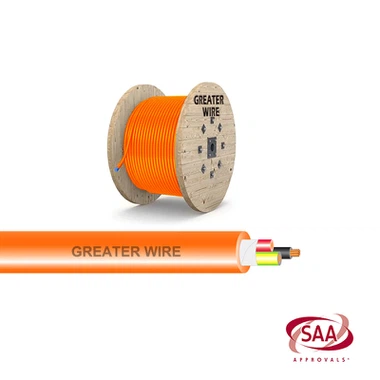
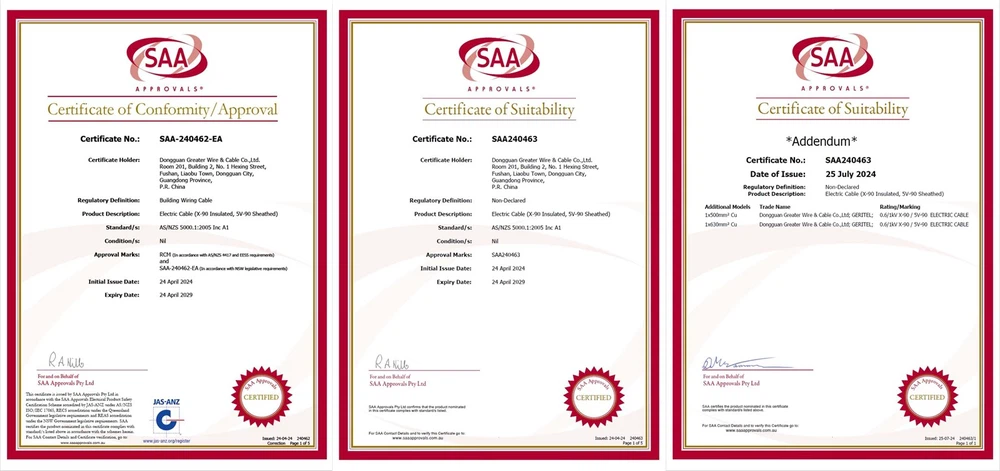
Dongguan Greater Wire & Cable Co., Ltd. insists on producing wires that meet the Australian SAA certification and has focused on the research and development and manufacture of high-performance wires for many years. Our Australian SAA certified wires are widely used in industrial, commercial and residential projects due to their excellent heat resistance, water resistance and chemical corrosion resistance. Whether it is the installation requirements in complex environments or the high-demand safety electrical systems, our products can provide ultra-long service life and stable electrical performance, allowing each project to run with peace of mind.