























1. Understanding UV Radiation and Its Impact on Cables
1.1 The Australian Climate Challenge
Australia's climate is characterized by intense UV radiation, with some regions experiencing UV index levels exceeding 12-among the highest globally7. Prolonged exposure to sunlight degrades unprotected cable sheaths, leading to:
Cracking and brittleness: UV radiation breaks down polymer chains in sheath materials like PVC or polyethylene.
Loss of mechanical strength: Reduced flexibility increases susceptibility to abrasion, impact, and moisture ingress.
Color fading: Faded sheaths compromise visibility and safety identification, especially for orange-colored cables used in industrial settings.
1.2 AS/NZS 5000.1 Requirements for UV Resistance
The AS/NZS 5000.1 standard mandates rigorous testing for UV stability, particularly for cables designed for outdoor or semi-exposed installations. Key requirements include:
Material selection: Use of UV-stabilized polymers (e.g., PVC or XLPE with additives like carbon black) to mitigate photo-oxidative degradation.
Performance testing: Accelerated UV ageing tests to simulate long-term exposure and validate sheath integrity.
Color retention: Ensuring orange or other color-coded sheaths remain identifiable over their service life.
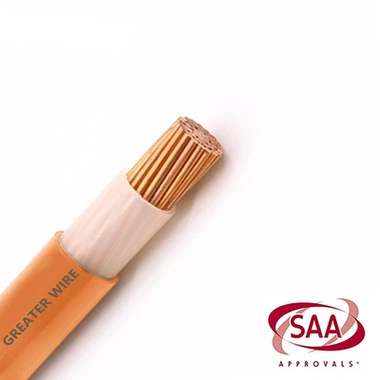
For example, the Australia 16mm XLPE 2-core orange power cable employs a UV-resistant orange PVC sheath, which not only meets AS/NZS 5000.1 but also enhances visibility in industrial and construction sites.
2. Structural Design of UV-Resistant Cables
2.1 Material Composition
Cables compliant with AS/NZS 5000.1, such as the SAA 16mm XLPE cable, integrate advanced materials to combat UV damage:
XLPE insulation: Cross-linked polyethylene offers inherent thermal stability and resistance to environmental stress, including UV exposure.
UV-stabilized PVC sheaths: Additives like titanium dioxide or hindered amine light stabilizers (HALS) absorb or scatter UV radiation, preventing molecular breakdown.
Reinforced armoring: Steel wire armoring (SWA) in cables like the SAA 240 sq mm XLPE cable provides mechanical protection, reducing direct UV exposure to the sheath.
2.2 Case Study: Orange Sheath in 16mm XLPE 2-Core Cables
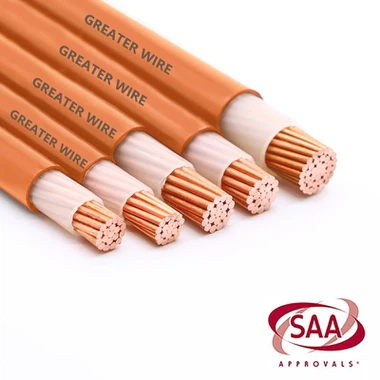
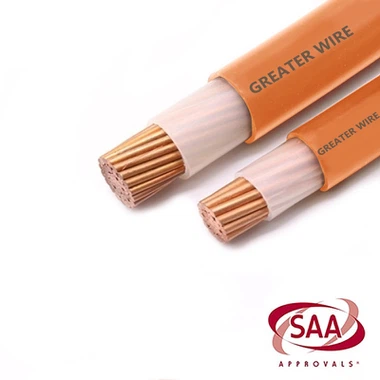
The Australia 16mm XLPE 2-core orange power cable exemplifies UV-resistant design:
Sheath material: Orange PVC with UV inhibitors, ensuring color retention and structural integrity in outdoor applications.
Applications: Widely used in solar farms, mining sites, and construction zones where UV exposure is extreme.
Compliance: Passes AS/NZS 5000.1 tests for tensile strength, elongation, and ageing under UV conditions.
3. Testing Procedures for UV Resistance Under AS/NZS 5000.1
3.1 Accelerated UV Ageing Tests
Cables undergo simulated UV exposure to evaluate long-term performance:
Xenon-arc testing: Sheath samples are exposed to UV light, heat, and moisture cycles replicating years of outdoor use.
Post-test evaluation: Assessed for cracks, brittleness, and color fading. For instance, the SAA 240 sq mm XLPE cable must retain ≥80% of its original tensile strength after 1,000 hours of testing.
3.2 Complementary Performance Tests
UV resistance is validated alongside other critical properties:
Abrasion resistance: Ensures the sheath withstands mechanical wear despite UV-induced surface changes.
Cold bend test: Verifies flexibility at low temperatures, critical for cables in variable climates.
Flame retardancy: UV-stabilized materials must also meet IEC 60332 standards for fire safety.
4. Applications and Market Implications
4.1 Industrial and Renewable Energy Sectors
Solar farms: The SAA 16mm XLPE cable is ideal for photovoltaic arrays, where UV resistance prevents degradation in open-air installations.
Mining operations: Cables like the Australia 16mm XLPE 2-core orange power cable endure UV exposure in open-pit mines while maintaining safety and performance.
4.2 Urban Infrastructure and Construction
Public lighting systems: UV-resistant sheaths ensure longevity in exposed urban installations.
Temporary power networks: Orange-colored cables remain visible and durable in construction sites.
4.3 Economic and Safety Benefits
Reduced maintenance costs: UV-resistant cables minimize replacements, lowering lifecycle expenses.
Compliance with regulations: AS/NZS 5000.1 compliance ensures adherence to Australian safety and environmental standards, avoiding penalties.
5. Market Leaders and Product Innovations
5.1 Key Manufacturers
Changzhou Annett Cable Co., Ltd.: Produces UV-stable cables like the SAA 240 sq mm XLPE cable, tailored for Australia's climate.
Shanghai AEIN Wire & Cable Co., Ltd.: Offers SAA-certified cables with reinforced sheaths for outdoor use.
5.2 Sustainability Trends
Recyclable materials: UV-resistant PVC and XLPE align with Australia's circular economy goals.
Energy efficiency: Durable sheaths reduce material waste and energy consumption over the cable's lifespan.
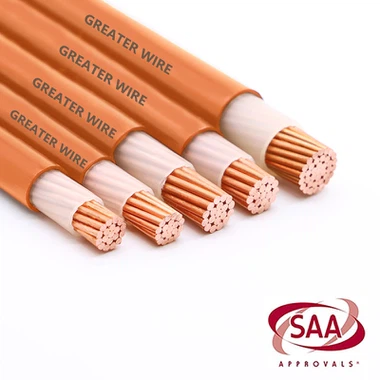
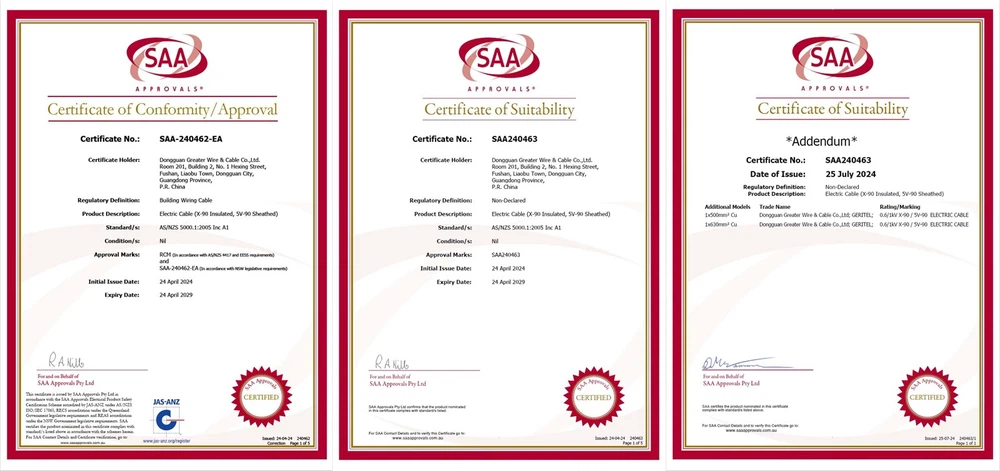
In modern electrical engineering, it is very important to choose high-quality wires. Dongguan Greater Wire & Cable Co., Ltd. specializes in Australian SAA certified wires. By introducing internationally advanced equipment and a strict quality management system, we ensure that each wire meets the highest standards. Our Australian SAA certified wires not only have excellent insulation performance and weather resistance, but also remain stable in extreme environments, greatly reducing maintenance costs. Choosing us, you will enjoy professional technical support and considerate after-sales service to help the smooth implementation of the project.