























Solar cables are essential components in photovoltaic (PV) systems, designed to ensure the safe and efficient transfer of electricity from solar panels to inverters and other devices. One of the most commonly used cable sizes in solar installations is the 4mm² solar cable. This article explores the physical and technical aspects of 4mm solar cables, focusing on their thickness, applications, and advantages, while incorporating the keywords "solar cable" and "solar wire."
What is a Solar Cable?
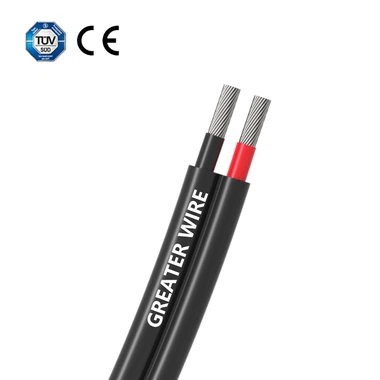
A solar cable (or solar wire) is a specially designed electrical cable used in photovoltaic systems. Unlike standard electrical cables, solar cables are engineered to withstand harsh outdoor environments, including exposure to UV radiation, high temperatures, and mechanical stress.
Key features of solar cables include:
Durability: Withstand extreme temperatures and weather conditions.
Insulation: High-quality insulation materials prevent electrical leakage.
UV Resistance: Designed for long-term exposure to sunlight.
Voltage Rating: Capable of handling high DC voltages up to 1500V.
Flexibility: Easy to install, even in complex configurations.
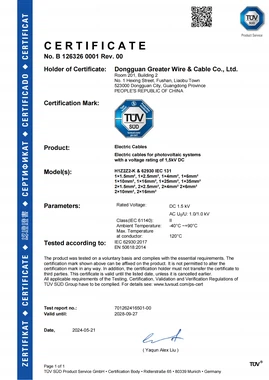
Common standards for solar cables include H1Z2Z2-K and PV1-F, ensuring compliance with industry safety and performance requirements.
Understanding 4mm² Solar Cables
1. What Does 4mm² Mean?
The "4mm²" specification refers to the cross-sectional area of the conductor inside the cable. This measurement determines the cable's current-carrying capacity and resistance to voltage drop.
2. Thickness of 4mm Solar Cable
The overall thickness of a 4mm solar cable includes both the conductor and its insulation layers. The exact dimensions depend on the cable type and manufacturer, but typical specifications are:
Conductor Diameter: Approximately 2.26mm (pure copper).
Outer Diameter (with Insulation): Typically ranges between 5.5mm and 7.0mm, depending on the insulation material and standard (e.g., H1Z2Z2-K or PV1-F).
The outer diameter accounts for layers of insulation and sheathing, which provide protection against environmental factors.
3. Comparison with Other Solar Cables
To understand how 4mm cables compare, here's a quick look at other common sizes:
2.5mm² Solar Cable: Outer diameter ranges between 4.5mm and 6.0mm.
6mm² Solar Cable: Outer diameter ranges between 6.0mm and 8.0mm.
The thicker the cable, the greater its capacity to handle current and resist voltage drops over longer distances.
Applications of 4mm² Solar Cable
1. Residential Solar Systems
4mm² solar cables are widely used in residential installations due to their balance between current capacity and flexibility. They are ideal for connecting:
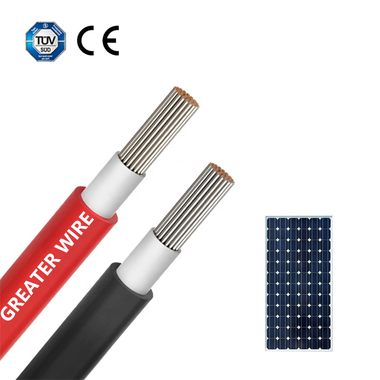
Solar panels to inverters.
Panels within a string or array.
2. Small to Medium-Sized Commercial Systems
In commercial applications, 4mm² cables are suitable for low-to-moderate power systems with shorter cable runs.
3. String Wiring
Solar panel strings, where panels are connected in series, typically use 4mm² cables to handle the combined current.

Key Features of 4mm Solar Cable
1. Conductor Material
4mm² solar cables often feature tinned copper conductors, which provide excellent electrical conductivity and resistance to corrosion.
2. Insulation and Sheathing
Material: The insulation is typically made of cross-linked polyethylene (XLPE) or similar materials, providing high thermal and mechanical resistance.
Standards: Compliance with H1Z2Z2-K or PV1-F standards ensures UV resistance and long-term durability.
3. Current-Carrying Capacity
The current capacity of a 4mm solar cable depends on factors such as ambient temperature, installation method, and cable standard:
H1Z2Z2-K Standard: Up to 55A in optimal conditions.
PV1-F Standard: Up to 44A in standard conditions.
4. Voltage Rating
4mm² solar cables are rated for voltages up to 1500V DC, suitable for most residential and commercial PV systems.

Benefits of Using 4mm Solar Cable
Cost-Effective: Offers a balance between performance and affordability.
Lightweight and Flexible: Easier to handle and install compared to larger cables.
Adequate for Residential Systems: Meets the current and voltage requirements of most small-to-medium installations.
Compliance with Standards: Ensures safety and reliability when certified to H1Z2Z2-K or PV1-F standards.

Choosing the Right Cable Thickness
When deciding on cable thickness for a solar system, consider the following factors:
1. Current and Voltage Requirements
For systems with currents below 55A, 4mm² cables are sufficient.
For higher currents or longer cable runs, consider 6mm² or larger cables to minimize voltage drop.
2. Cable Run Distance
Voltage drop increases with cable length. If the distance between solar panels and the inverter exceeds 20 meters, 6mm² cables may be more suitable to reduce losses.
3. System Scale
Small to medium-sized systems: 4mm² cables are ideal.
Large commercial or utility-scale systems: Larger cables like 6mm² or 10mm² may be required.
4. Safety and Certification
Always choose cables that meet industry standards like H1Z2Z2-K or PV1-F for reliability and compliance.

Common Mistakes in Cable Selection
Undersized Cables: Using 4mm² cables in systems requiring higher current capacity can lead to overheating and energy loss.
Ignoring Voltage Drop: Selecting cables without accounting for distance can reduce system efficiency.
Over-Specification: Using larger cables than necessary increases costs without significant benefits.