

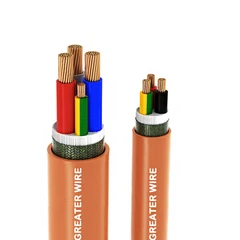
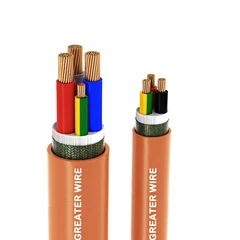

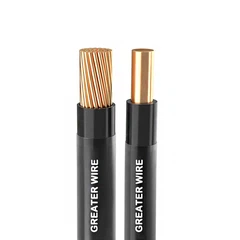
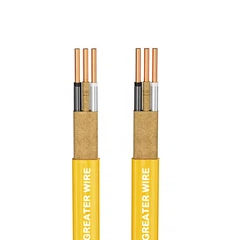
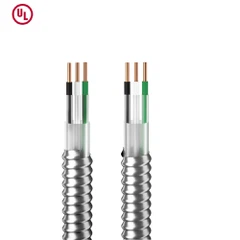
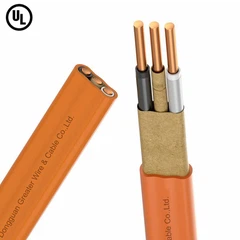
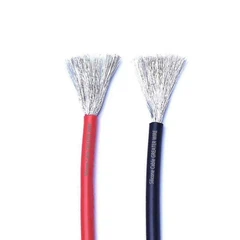
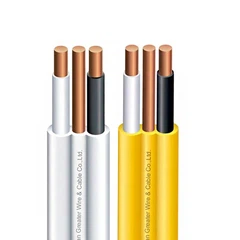
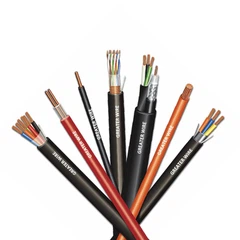
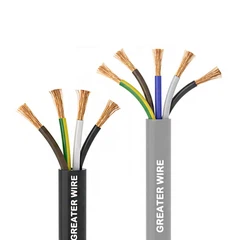
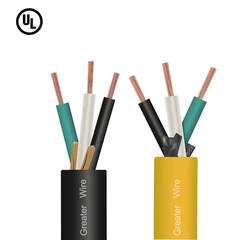
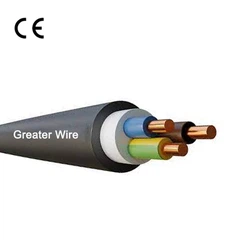
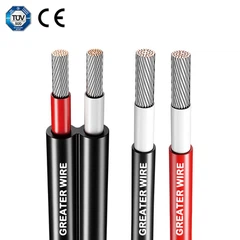

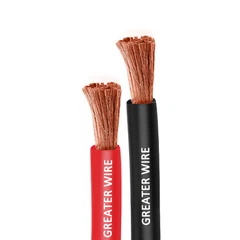
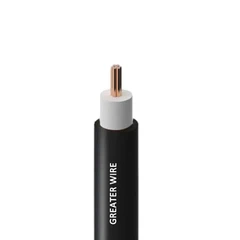
In electrical wiring projects, choosing and connecting the right cables is not only about construction efficiency but also directly impacts electrical safety. For many indoor and outdoor projects, UF-B and NM-B cables are commonly used. However, knowing how to connect them safely and in compliance with regulations is crucial. Improper handling can lead to overheating, short circuits, or even fire hazards. Therefore, mastering the correct connection methods and selecting the right materials is essential for every electrical project.
This article provides a detailed introduction to UF-B and NM-B cables, lists the tools required for connection, offers a step-by-step guide for safe installation, highlights common mistakes to avoid, and introduces Dongguan Greater Wire & Cable Co., Ltd. and its advantages in UF-B cable solutions, helping you source high-quality products with confidence.
Introduction to UF-B and NM-B Cables
Before connecting cables, it is important to understand their characteristics and applications.
UF-B Cable Overview
UF-B (Underground Feeder – B) cable is designed for outdoor and underground wiring. It is often used in damp environments or for direct burial applications. Its features include:
- Waterproof and moisture-resistant – suitable for underground or outdoor installations
- Corrosion-resistant – can withstand acidic or alkaline soils
- Multi-core structure – suitable for various power circuits
NM-B Cable Overview
NM-B (Non-Metallic Sheathed Cable – B) is mainly used for indoor wiring in dry environments, such as inside walls, ceilings, or household lighting circuits. Its features include:
- Easy installation – flexible and easy to run through conduits or walls
- Cost-effective – ideal for large-scale indoor projects
- Meets indoor safety standards – not suitable for damp or outdoor exposure
Key Differences Between UF-B and NM-B
| Feature | UF-B Cable | NM-B Cable |
|---|---|---|
| Environment | Outdoor, underground, wet, direct burial | Indoor dry environments |
| Insulation | Thick, water and corrosion resistant | Thin, suitable for indoor use |
| Structure | Multi-core copper wires with full sheath | Multi-core copper wires with non-metallic sheath |
| Waterproof | High | Low |
| Installation | Can be buried directly or run through conduits | Must be installed in walls, conduits, or trays |
| Typical Use | Underground power, outdoor lighting, appliance circuits | Indoor lighting, outlets, low-load circuits |
This comparison clearly shows the differences in insulation, waterproofing, and usage environment-critical factors for safe connections. Using the wrong cable type may cause overheating, insulation failure, or fire hazards.
Tools and Materials Needed for Connection
Before starting, you need the following tools and materials to ensure safety and efficiency:
Tools
- Wire cutters and strippers
- Wire connectors (Wire Nuts / Split Bolts)
- Electrical tape or heat shrink tubing
- Voltage tester
- Protective gloves and safety glasses
Materials
- UF-B cables
- NM-B cables
- Waterproof terminals or junction boxes (required for outdoor or damp locations)
- UL/CUL certified connectors
Tip: Using high-quality UL or CUL certified materials ensures compliance and reduces the risk of electrical failure.

Step-by-Step Guide to Connect UF-B with NM-B
Safety First
Before handling, make sure to:
- Turn off the power and verify that wires are de-energized
- Wear protective gloves and safety glasses
- Use a voltage tester to double-check that the circuit is safe
Prepare the Cables
- Strip approximately 1 inch (25mm) of the outer sheath from both UF-B and NM-B cables using a wire stripper
- Inspect copper conductors for damage or oxidation
- Twist the copper strands neatly to ensure good connectivity
Connect the Cables
- Match and connect the copper wires by color
- Secure the connection using an appropriate wire connector or waterproof terminal
- Insulate the connection using electrical tape or heat shrink tubing
- If the connection is in a damp or outdoor location, place it inside a waterproof junction box
Test the Connection
- Before powering up, double-check that the connections are secure
- Turn on the power and use a voltage tester to ensure proper current flow
- Check for overheating or sparks
Tip: Any loose connection or insufficient insulation can pose a serious safety hazard.
Common Mistakes to Avoid
During the connection of UF-B and NM-B cables, common mistakes include:
- Ignoring environment requirements – using NM-B outdoors or in wet areas
- Loose connections – copper strands not twisted or connector not tight
- Insufficient insulation – failing to use heat shrink tubing or waterproof tape
- Skipping testing – not verifying connections after installation
Avoiding these mistakes can significantly reduce circuit risks and ensure a safe, smooth project completion.
Why Choose Dongguan Greater Wire & Cable Co., Ltd. UF-B Cables
Our company offers significant advantages in the UF-B cable market:
Full UL & CUL certification ensures compliance with international safety standards
High-quality raw materials – waterproof, corrosion-resistant, and long-lasting
Complete range of specifications to meet different project requirements
Professional technical team support – pre-sale and after-sale guidance
Extensive project experience – capable of handling both large and small-scale projects
Contact Us:
Dongguan Greater Wire & Cable Co., Ltd.
Tel/WhatsApp/Wechat: +86 135 1078 4550 / +86 136 6257 9592
Email: manager01@greaterwire.com
Our expert team provides guidance on UF-B cable selection, installation instructions, and after-sales support. No matter the project size, we ensure your electrical project is safe and efficient.
Choosing high-quality UF-B cables is essential for ensuring line safety, reducing maintenance costs, and improving project efficiency. Contact us today for professional procurement and technical support!