


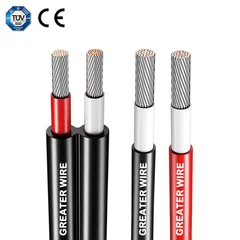

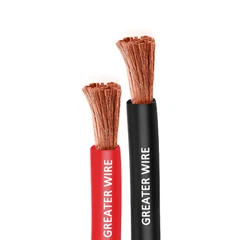
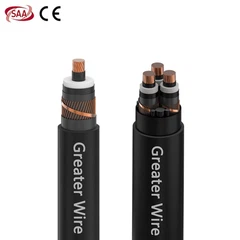
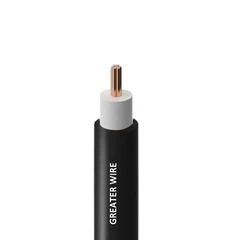
1. Understanding XHHW Wire: Basics and Applications
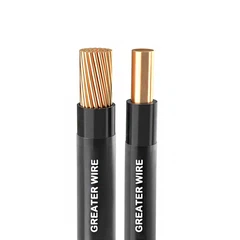
XHHW wire is a thermoset-insulated electrical cable designed for both dry and damp environments. Its cross-linked polyethylene (XLPE) insulation ensures resistance to heat, moisture, chemicals, and abrasion, making it ideal for commercial, industrial, and utility applications. Key features include:
Temperature Rating: Typically rated for up to 90°C in dry conditions and 75°C in wet environments.
Voltage Capacity: Available in 600V and 1000V configurations.
Conductor Options: Offered in copper and aluminum variants.
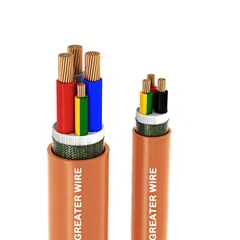
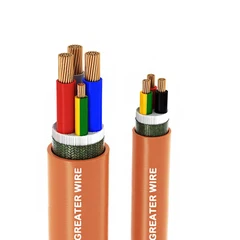
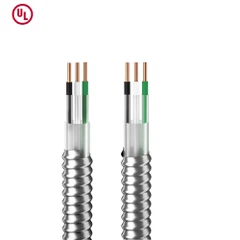
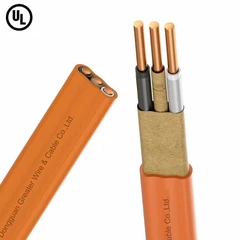
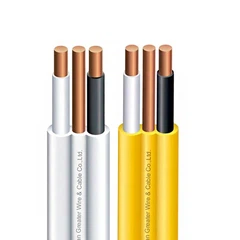
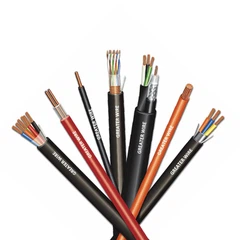
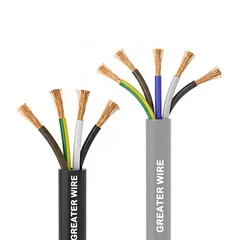
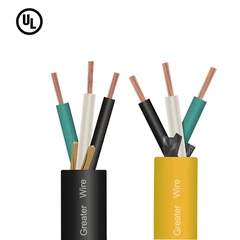
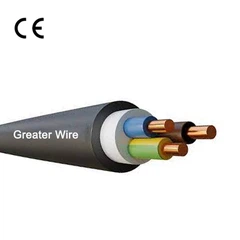
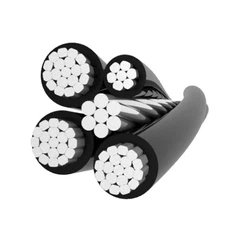
Multi-conductor XHHW cables bundle multiple insulated conductors within a single jacket, simplifying installation in conduit systems, cable trays, or direct burial scenarios. Common configurations include 2 to 5 conductors, with neutral and ground wires as needed.
2. Multi-Conductor XHHW: Design and Compliance
Multi-conductor XHHW cables meet NEC (National Electrical Code), UL (Underwriters Laboratories), and CSA (Canadian Standards Association) requirements. Their design ensures:
Space Efficiency: Reduced conduit fill compared to single-conductor cables.
Simplified Installation: Pre-assembled conductors minimize labor costs.
Enhanced Safety: Jacketing materials resist flame propagation and reduce smoke emission.
Example: 8 AWG XHHW Cable 1000V
This heavy-duty configuration supports high-voltage applications such as industrial machinery, solar farms, and substations. Its 1000V rating provides a safety margin for systems operating near maximum capacity.
Example: 8 AWG XHHW Wire 600V
A cost-effective solution for commercial buildings and residential complexes, the 600V variant is widely used in branch circuits, feeders, and motor controls.

3. Copper vs. Aluminum XHHW Wire: A Comparative Analysis
Choosing between copper XHHW wire and aluminum XHHW depends on project requirements, budget, and performance needs.
Copper XHHW Wire
Advantages:
Higher conductivity (∼61% better than aluminum).
Superior corrosion resistance.
Easier termination due to ductility.
Applications: Critical systems requiring longevity, such as data centers and hospitals.
Aluminum XHHW
Advantages:
Lightweight and cost-effective (∼50% cheaper than copper).
Suitable for long-distance power transmission.
Considerations: Requires anti-oxidant compounds at termination points to prevent galvanic corrosion.

4. Performance Advantages of XHHW Wire
XHHW's popularity stems from its unmatched performance in harsh environments:
Heat Resistance
XLPE insulation retains integrity at high temperatures, reducing the risk of insulation breakdown.
Moisture and Chemical Resistance
Ideal for wet locations, wastewater treatment plants, and chemical processing facilities.
Durability
Resists abrasion during installation and mechanical stress over its lifespan.
Flexibility
Multi-conductor designs maintain flexibility despite thicker insulation, easing routing through conduits.

5. Applications of Multi-Conductor XHHW Cables
Commercial Buildings: Power distribution panels, lighting systems.
Industrial Facilities: Motor controls, conveyor systems.
Renewable Energy: Solar arrays (1000V-rated cables handle DC side connections).
Utilities: Underground service entrance cables.
Case Study: 8 AWG XHHW in Solar Installations
A 1000V-rated 8 AWG XHHW cable is often used in photovoltaic systems to connect solar panels to inverters, leveraging its UV resistance and high-temperature tolerance.

6. Technical Specifications: 8 AWG XHHW 600V vs. 1000V
| Parameter | 8 AWG XHHW 600V | 8 AWG XHHW 1000V |
|---|---|---|
| Max Voltage | 600V | 1000V |
| Insulation Thickness | 45 mils | 60 mils |
| Outer Jacket | PVC or Nylon | PVC or Nylon |
| Temperature Rating | 90°C (Dry), 75°C (Wet) | 90°C (Dry), 75°C (Wet) |
| Applications | Branch circuits, HVAC | Industrial machinery, solar |

7. Installation Best Practices
Conduit Fill: Adhere to NEC guidelines to prevent overheating.
Bending Radius: Avoid sharp bends to protect insulation.
Terminations: Use compatible connectors and torque tools.

8. Cost-Benefit Analysis: Copper vs. Aluminum
While copper offers better performance, aluminum XHHW provides significant savings for large-scale projects. For example, a 500-foot run of 8 AWG aluminum XHHW may cost 40% less than copper, with minimal conductivity trade-offs in low-load scenarios.

9. FAQs About XHHW Wire
Q: Can XHHW be used outdoors?
A: Yes, its moisture-resistant jacket suits direct burial or aerial installations.
Q: Is XHHW suitable for hazardous locations?
A: When paired with appropriate conduit, it meets Class I, Division 2 requirements.
Q: How does XHHW compare to THHN?
A: XHHW has thicker insulation and higher temperature ratings, making it more durable.

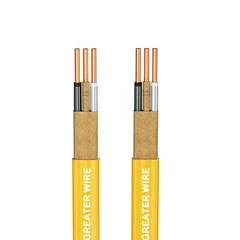
In the fiercely competitive US cable market, Dongguan Greater Wire & Cable Co., Ltd. stands out. Our production workshop is neat and orderly, and our employees are skilled in operating the equipment, ensuring a stable output of 1.3 million meters of high-quality cables per month. Our products have passed multiple certifications such as UL83 and UL44. For example, NM-B CABLE meets the high US standards in fire and moisture resistance. At the same time, we work directly with raw material suppliers to reduce intermediate links and reduce product prices by 25%, allowing American customers to enjoy high-quality cables at a lower price.