



1.What Is XHHW Wire?
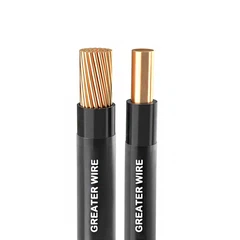
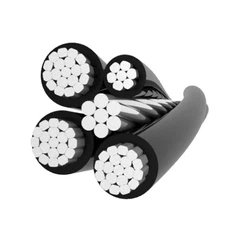
XHHW stands for Cross-Linked Polyethylene High Heat-Resistant Water-Resistant Wire. It's a versatile building wire used in dry, damp, and wet locations. The cable features a thermoset insulation material (cross-linked polyethylene or XLPE), which provides excellent thermal stability, chemical resistance, and mechanical strength.
Key characteristics include:
Temperature rating: 90°C in dry conditions, 75°C in wet environments.
Voltage rating: Up to 600V.
Conductor materials: Copper or aluminum (XHHW conductors).
XHHW wire is widely used in conduit, raceways, and direct burial (for XHHW-2 underground installations). However, its suitability for outdoor, UV-exposed applications depends on its UV resistance-a topic we'll delve into next.
2.Is XHHW Wire UV-Resistant?
The short answer is: Standard XHHW wire is not inherently UV-resistant. While its XLPE insulation offers strong resistance to heat, moisture, and abrasion, prolonged exposure to ultraviolet (UV) radiation can degrade the outer jacket over time. This makes standard XHHW unsuitable for direct sunlight or outdoor use unless installed in protective conduits or raceways.
However, the XHHW-2 wire specification introduces critical upgrades. XHHW-2 is rated for 90°C in both wet and dry conditions and meets stricter standards for oil and sunlight resistance. While not all XHHW-2 wires are explicitly UV-rated, many manufacturers add UV-resistant stabilizers to the insulation for outdoor durability. Always verify the product's UL listing or manufacturer documentation for UV resistance claims.

3.XHHW-2 Underground: A Closer Look
The XHHW-2 underground variant is engineered for harsh environments, including direct burial and outdoor installations. Key features include:
Enhanced insulation: Thicker XLPE layers resist moisture, chemicals, and soil contaminants.
UV resistance: When used above ground, XHHW-2's jacket often includes carbon black or other UV inhibitors to prevent degradation.
Temperature flexibility: Rated for -40°C to 90°C, making it ideal for fluctuating climates.
For projects requiring both underground burial and partial UV exposure (e.g., transitioning from conduit to rooftop), XHHW-2 is a cost-effective, multi-purpose solution.

4.XHHW Building Wire: Indoor and Outdoor Applications
As a popular XHHW building wire, this cable is a staple in:
4.1 Commercial structures: Power distribution in walls, ceilings, and service panels.
4.2 Industrial facilities: Machinery wiring, control systems, and HVAC units.
4.3 Outdoor installations: When protected by conduit or used in shaded areas.
While standard XHHW isn't UV-resistant, its rugged insulation makes it ideal for indoor damp locations (e.g., basements, parking garages). For outdoor projects, pairing XHHW with UV-resistant conduit ensures compliance with the National Electrical Code (NEC).

5.XHHW Conductors: Materials and Performance
The performance of XHHW conductors depends on their material:
Copper XHHW: Higher conductivity, corrosion resistance, and flexibility.
Aluminum XHHW: Lightweight and cost-effective but requires larger gauges for equivalent ampacity.
Both types use XLPE insulation, but copper is preferred for critical applications due to its reliability. For UV-exposed outdoor projects, copper XHHW-2 with a UV-stabilized jacket offers the best longevity.

6.XHHW-2 Wire Specification: Compliance and Standards
The XHHW-2 wire specification adheres to strict industry standards:
UL 44 and UL 1277: Certifies flame resistance and thermal performance.
NEC Article 310: Governs ampacity and installation guidelines.
RoHS Compliance: Ensures low environmental impact.
These certifications guarantee that XHHW-2 wire meets safety and performance benchmarks, even in demanding environments.

7.When to Choose UV-Resistant XHHW Wire
If your project involves:
Outdoor installations (e.g., solar farms, signage).
Partial UV exposure (e.g., conduit-to-open-air transitions).
High-temperature environments (e.g., industrial rooftops).
…opt for XHHW-2 wire with UV-resistant insulation. Always confirm with the manufacturer whether the jacket includes UV inhibitors.

8.FAQs About XHHW Wire
Can XHHW wire be used outdoors?
Yes, but only in conduit or shaded areas. For direct sunlight, use UV-rated XHHW-2.
Is XHHW-2 suitable for direct burial?
Absolutely-XHHW-2 underground installations are NEC-compliant.
How does XHHW compare to THHN wire?
XHHW has superior heat and moisture resistance, while THHN is cheaper but limited to dry locations.

Dongguan Greater Wire & Cable Co., Ltd. shines in the American market, especially in the United States, with a complete range of UL certifications. Our production scale is expanding year by year, and our production equipment is constantly updated and upgraded. The R&D team is constantly exploring new materials and processes to improve product performance. Our THHN, XHHW WIRE, NM - B CABLE, UF-B, TC-ER and other products have passed UL83, UL44, UL719, UL493, UL1277 and other certifications, which are safe and reliable. In terms of price, we rely on our cost advantage to provide American customers with highly competitive quotations to meet your dual needs for quality and price.