

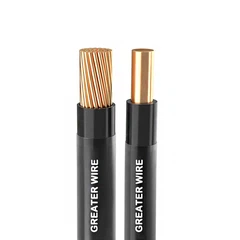

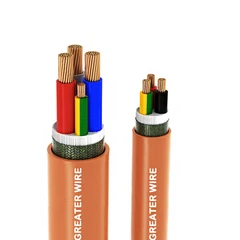
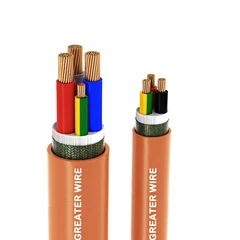
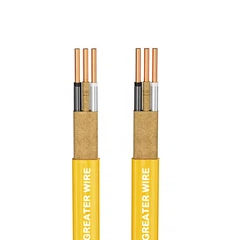
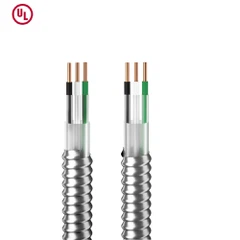
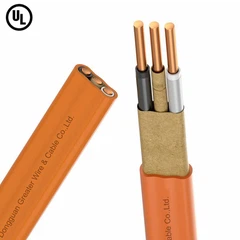


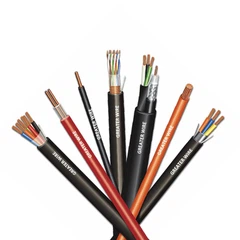
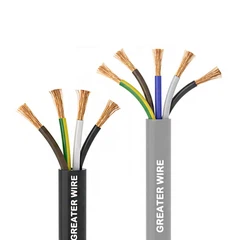
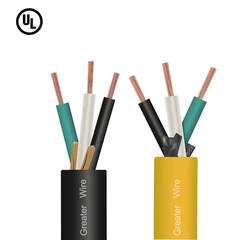
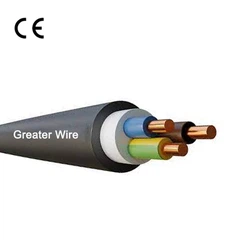
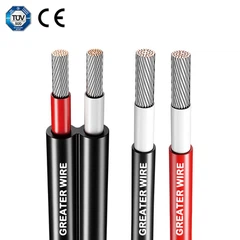

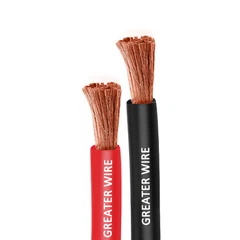
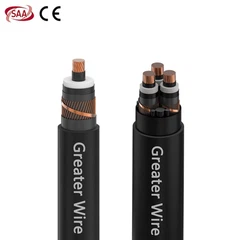
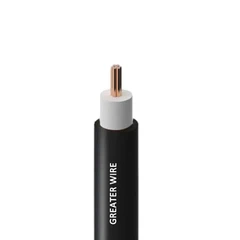

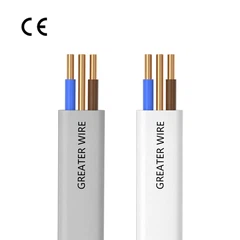
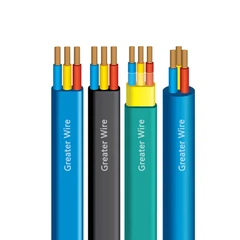
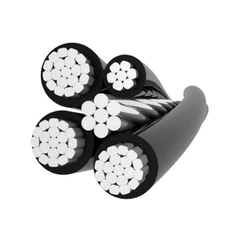
Metal Clad (MC) Cable is a widely used type of electrical cable that serves as an essential component in commercial, residential, and industrial installations. The two most common conductor materials used in MC cables are aluminum and copper, each offering distinct advantages depending on the project's needs. Selecting the appropriate conductor material is critical for ensuring optimal performance, safety, and cost-effectiveness in electrical systems.

Aluminum vs. Copper: A Detailed Comparison
Electrical Conductivity
Copper
Copper is known for its superior conductivity, which makes it an excellent choice for high-efficiency power transmission. Copper's conductivity is approximately 1.6 times greater than that of aluminum, meaning that for the same electrical load, a copper conductor can carry more current with less resistance. This results in reduced energy loss, making copper ideal for applications requiring high power efficiency, such as in data centers, power plants, and high-performance electrical systems.
Aluminum
While aluminum has lower conductivity compared to copper, it is still a highly efficient conductor. Aluminum's conductivity is about 60% of copper's. To make up for this difference, aluminum wires must generally be larger in diameter than copper wires for the same electrical load. This can result in increased physical space requirements and larger conduit sizes.
Weight and Handling
Copper
Copper is heavier than aluminum, which can be a disadvantage in large-scale installations or overhead wiring projects. The increased weight can make handling and installation more difficult, requiring additional support structures and potentially leading to higher labor costs.
Aluminum
Aluminum's lightweight nature makes it much easier to handle and install, especially for large installations or when long cable runs are required. Its reduced weight is particularly advantageous for overhead installations, such as in utility power lines, where minimizing weight is essential to avoid stress on structures and ensure ease of handling.
Durability and Longevity
Copper
Copper's high resistance to corrosion is one of its most significant advantages. Copper performs well in both indoor and outdoor environments, especially in locations that are exposed to high humidity, chemical agents, or saltwater. Copper cables tend to last longer with minimal degradation, providing years of reliable service without the need for frequent replacement or maintenance.
Aluminum
Aluminum is more susceptible to oxidation over time. When exposed to air, aluminum forms an oxide layer that can increase resistance and affect the overall performance of the cable. However, aluminum cables are often treated with protective coatings or alloys to mitigate this issue and increase their resistance to corrosion. In more extreme environments, aluminum cables may require additional maintenance or protective measures to ensure longevity.
Cost Comparison
Copper
Copper is typically more expensive than aluminum, both in terms of raw material cost and production. The higher cost of copper can make it a less attractive option for large-scale projects, especially where budget is a concern. However, copper's higher conductivity and durability often justify the added expense for critical applications where long-term performance and energy efficiency are essential.
Aluminum
Aluminum is more affordable than copper, which makes it an attractive option for large installations or cost-sensitive projects. While aluminum's lower conductivity means that a larger gauge is required, its reduced cost can result in substantial savings, particularly in long-distance installations or projects that involve extensive wiring. In large residential or commercial projects, aluminum can provide an affordable alternative without significantly compromising performance.
Factors to Consider When Choosing Between Aluminum and Copper MC Cables
Environmental Conditions
Corrosion Resistance
Copper's resistance to oxidation and corrosion makes it the best choice for installations in corrosive environments, such as coastal areas or chemical processing facilities. Copper cables perform well in conditions where exposure to moisture, salt, or chemicals is a concern.
Aluminum, however, is more prone to oxidation, which can increase resistance and affect the performance of the cable. For this reason, aluminum cables are often coated with protective layers or alloys to minimize oxidation and improve their lifespan in harsh environments.
Temperature and Weather Resistance
Copper cables can handle extreme temperatures better than aluminum cables, making copper a better choice for installations in areas with temperature fluctuations or extreme climates.
Aluminum cables, while still suitable for many applications, are more sensitive to thermal expansion. In environments subject to extreme heat, aluminum wires may need to be oversized to ensure that they can handle the additional expansion and contraction caused by temperature changes.
Application Requirements
High-Efficiency Power Transmission
Copper is the ideal choice for applications requiring high electrical efficiency and minimal energy loss, such as in data centers, high-performance industrial machinery, or electrical systems in hospitals and critical infrastructure.
Cost-Conscious Projects
For large-scale projects where budget constraints are a factor, aluminum may be the better choice. It offers significant cost savings without a substantial decrease in overall performance, especially in low- to medium-load applications.
Installation Considerations
Ease of Handling and Flexibility
The lightweight nature of aluminum makes it easier to install, particularly in large projects, where reducing the weight of the cables can simplify the installation process. Copper's heavier weight may require additional labor and support structures, increasing the overall installation time and cost.
Code Compliance and Standards
Both copper and aluminum cables must meet local electrical codes and regulations. The National Electrical Code (NEC) and other safety standards may have specific requirements for grounding, connections, and materials used in MC cables. It's essential to consult with a qualified electrician to ensure compliance with all relevant standards, regardless of the conductor material.
Pros and Cons of Aluminum and Copper MC Cables
Copper MC Cables
Advantages
Superior electrical conductivity, leading to higher efficiency.
Longer lifespan and better performance in harsh environments.
More reliable in preventing energy loss.
Disadvantages
Higher upfront cost.
Heavier weight, making it less suitable for large-scale, overhead installations.
Aluminum MC Cables
Advantages
Lower cost and easier to handle due to reduced weight.
Suitable for large-scale installations or applications where cost is a major concern.
Disadvantages
Lower conductivity, leading to larger gauge sizes and increased energy loss.
Requires additional protective coatings to prevent oxidation.

Real-World Applications and Use Cases
Residential Installations
Copper is commonly used in residential wiring systems for high-performance applications, such as wiring for sensitive appliances and power circuits requiring optimal efficiency.
Aluminum is often used for main power distribution to homes and buildings due to its cost-effectiveness.
Industrial Installations
Copper is favored in critical industrial applications where high efficiency and performance are necessary, such as in power plants, factories, or data centers.
Aluminum is used in non-critical industrial wiring, such as lighting circuits or non-essential equipment, where budget constraints are a factor.
Commercial Installations
Copper is preferred for installations in commercial buildings with large electrical loads and high reliability demands.
Aluminum is more commonly found in larger, non-critical commercial projects where cost savings are essential.

Choosing between aluminum and copper conductors for MC cable requires careful consideration of multiple factors, including cost, performance, durability, and application needs. Copper excels in applications requiring high efficiency and reliability, making it ideal for critical systems. However, aluminum offers a more cost-effective solution for large-scale projects and installations where weight and cost are the primary concerns.
Understanding the specific requirements of your installation, such as environmental conditions, electrical load, and budget, will help ensure that you choose the best conductor material for your project. Both aluminum and copper have their advantages and disadvantages, but by evaluating these factors, you can make a well-informed decision that meets both your performance and financial needs.
Dongguan Greater Wire & Cable Co., Ltd. presents the MC Cable, engineered to provide reliable power distribution in commercial, industrial, and residential projects. This high-performance cable boasts the following features:
Superior Copper Conductors: Stranded copper ensures high conductivity and flexibility, allowing for easy installation in tight spaces.
Moisture-Resistant Insulation: Suitable for wet locations and outdoor installations, this cable provides enhanced durability in challenging environments.
High Temperature Resistance: Rated for continuous operation up to 90°C, making it ideal for high-temperature applications.
UL & cUL Certification: Compliant with stringent safety standards to ensure maximum reliability.
For inquiries or orders, please contact us at:
📞 Phone: +86 136 6257 9592
📧 Email: manager01@greaterwire.com
🌐 Website: www.greaterwire.com