

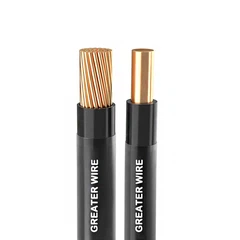

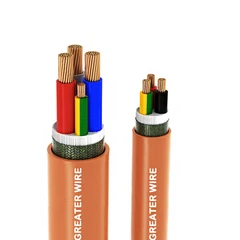
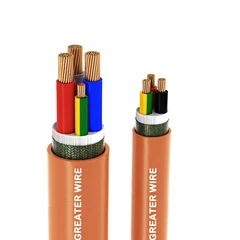
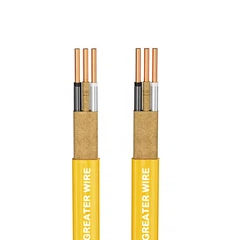
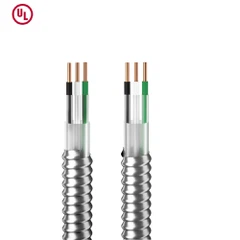



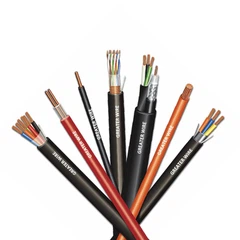
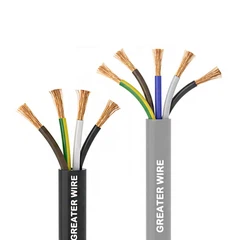
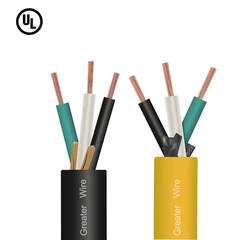
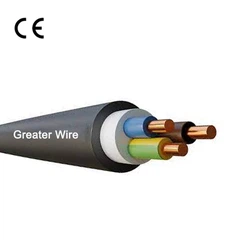
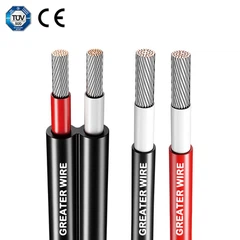

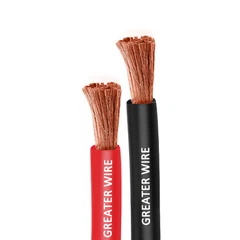
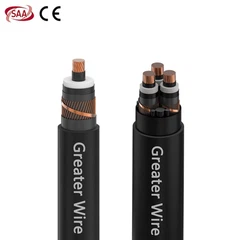
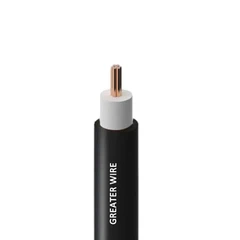

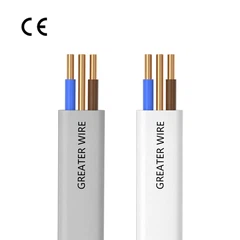
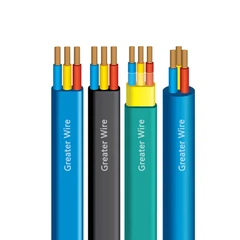
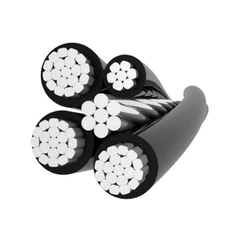
Metal Clad (MC) cable is a critical component in modern electrical wiring systems. With its unique construction, MC cable provides an excellent solution for safe, efficient, and durable electrical installations, especially in industrial, commercial, and residential applications. One of the standout features of MC cable is the armor layer, which plays an essential role in protecting the cable and enhancing its performance.

The Role of the Armor Layer in MC Cable
Physical Protection
One of the most important functions of the armor layer is providing physical protection to the cable's conductors. The armor serves as a shield that protects the internal components of the cable from external forces such as:
Crushing – In environments where the cable may be subject to heavy machinery or foot traffic, the armor prevents crushing and maintains the integrity of the conductors.
Abrasion – The armor layer helps protect the cable from friction and wear, especially in areas where the cable may be subjected to rough handling or installation.
Impact – When cables are exposed to accidental impacts, such as from tools or machinery, the armor absorbs the force and protects the delicate conductors inside.
In high-traffic or industrial environments where cables are often exposed to harsh physical conditions, the armor layer ensures that the cable continues to perform without failure.
Environmental Protection
The armor layer also serves to protect the cable from external environmental factors:
Moisture Protection – In areas where moisture may be present, such as underground installations or areas exposed to rain, the armor acts as a barrier, preventing water from reaching the conductors. This is crucial in avoiding corrosion and short circuits.
Chemical Resistance – MC cables are commonly used in industrial environments where chemicals or oils may be present. The metal armor layer provides protection from chemical exposure, extending the life of the cable.
Temperature Extremes – In environments where temperature fluctuations are common, the armor layer helps maintain the cable's integrity by providing an additional barrier against extreme heat or cold.
Grounding Function
Another vital function of the armor layer is its role in grounding the cable. The metal armor provides a conductive path that allows any electrical faults or stray currents to be safely dissipated into the ground. This function is essential for ensuring safety, as it helps:
Prevent Electrical Shocks – If the insulation is damaged and a live conductor comes into contact with the armor, the armor will conduct the electricity safely to the ground, reducing the risk of electrical shock or fire.
Ensure Code Compliance – Many safety codes and standards, such as those from Underwriters Laboratories (UL), require that cables be grounded to prevent electrical hazards. The armor layer plays a crucial role in meeting these requirements.
Types of Armor in MC Cables
Steel Armor vs Aluminum Armor
The material used for the armor layer in MC cables can vary, with steel and aluminum being the two most common options. Both materials offer distinct advantages and are chosen based on the specific requirements of the installation.
Steel Armor – Steel provides superior mechanical protection and is highly resistant to physical impacts and abrasions. It is typically used in environments where the cable is exposed to heavy physical stress or when enhanced durability is required. Steel armor is also effective in protecting against electromagnetic interference (EMI), making it ideal for sensitive equipment and high-voltage installations.
Aluminum Armor – Aluminum, while lighter and more cost-effective than steel, still provides adequate protection in many scenarios. It is often used in applications where weight is a concern, or where the cable is not exposed to as much physical stress. Aluminum is also corrosion-resistant, making it suitable for environments where rust may be a concern.
Unarmored MC Cable vs Armored MC Cable
While armored MC cables provide superior protection, there are situations where unarmored MC cables may be used. Unarmored cables are often selected when:
The installation area is not subject to physical damage.
There are no significant environmental risks such as moisture, chemicals, or extreme temperatures.
Cost reduction is a priority, as unarmored cables tend to be less expensive than armored cables.
However, in high-risk environments, armored MC cables are the preferred choice due to the additional protection they offer.
Benefits of the Armor Layer
Enhanced Durability
The armor layer significantly enhances the durability of MC cables, allowing them to withstand more severe conditions than non-armored alternatives. The protective metal sheath extends the lifespan of the cable by preventing damage from impacts, abrasions, and environmental factors. This makes MC cables with armor ideal for long-term installations that require minimal maintenance.
Safety Standards and Compliance
The armor layer helps ensure that MC cables meet industry safety standards and regulatory requirements. For example, UL standards specify that MC cables used in certain installations must be armored to prevent electrical hazards. The metal sheath helps maintain compliance with national and international safety codes, ensuring that installations are safe and secure.
Ease of Installation
In many installations, the integrated armor layer reduces the need for additional conduit or mechanical protection, simplifying the installation process. The armor provides sufficient protection on its own, meaning installers can save time and reduce costs associated with extra conduit materials. Additionally, the armor layer helps prevent the cable from becoming damaged during installation, ensuring that the cable performs as expected once in place.

Common Challenges and Considerations
Cost vs. Benefit
The additional protection offered by the armor layer comes with a higher upfront cost. When selecting MC cable, it is essential to weigh the cost of armored cables against the benefits of improved durability and safety. In some cases, non-armored cables may suffice, but in high-risk environments, the added protection and peace of mind provided by the armor layer may justify the extra cost.
Weight and Flexibility
The armor layer adds weight to the cable, which can make handling and installation more difficult, especially in tight spaces. Additionally, the armor can reduce the flexibility of the cable, which may be a consideration in installations where tight bends or flexible routing are necessary. However, manufacturers have developed lighter armor options that still provide adequate protection while minimizing these issues.

The armor layer in MC cable serves several critical functions, including providing physical and environmental protection, grounding, and ensuring compliance with safety standards. Whether made of steel or aluminum, the armor significantly enhances the durability and safety of the cable, making it suitable for a wide range of applications. While armored MC cables may come at a higher cost, their added protection and reliability make them an essential choice for installations that require long-term durability and safety. As technology continues to advance, innovations in armor design will likely improve the performance and efficiency of MC cables, ensuring that they remain a trusted solution for electrical wiring needs in the years to come.
Dongguan Greater Wire & Cable Co., Ltd. is a leading manufacturer and supplier of high-performance electrical cables. Our MC Cable has been widely adopted in various industries, including construction, manufacturing, and energy, due to its proven reliability and exceptional performance. With a focus on innovation and quality, we are the trusted partner for your electrical wiring needs.
📞 Phone: +86 136 6257 9592
📧 Email: manager01@greaterwire.com
🌐 Website: www.greaterwire.com