























1. What is SIS Wire?
SIS stands for "Switchboard Instrumentation Style." It is primarily used in switchboards, distribution panels, and internal control wiring where space is limited and high insulation performance is required.
1.1 Structure of SIS Wire
Conductor: Solid copper conductor, complying with ASTM B3 or B8.
Insulation: Thermoset cross-linked polyethylene (XLPE).
Voltage Rating: 600V.
Temperature Rating: Up to 90°C or even 150°C in dry environments.
1.2 Key Features
High heat resistance;
Excellent flame-retardant properties;
Resistant to arc and chemical corrosion;
Suitable for single-conductor or bundled installations.
1.3 Typical Applications
Control panels and switchboards (sis switchboard wire);
Industrial automation systems;
Internal wiring of electrical cabinets;
Dry environments with dense wiring layouts.

2. What is XHHW Wire?
XHHW stands for "Cross-linked High Heat and Water-Resistant Wire." It is widely used in residential, commercial, and industrial low-voltage electrical systems, especially suitable for indoor, outdoor, and underground installations.
2.1 Structure of XHHW Wire
Conductor: Stranded copper or aluminum;
Insulation: Cross-linked polyethylene (XLPE), thicker and more durable than SIS;
Voltage Rating: 600V (XHHW) or up to 1000V (XHHW-2);
Temperature Ratings:
Dry environments: 90°C;
Wet environments: 75°C for XHHW, 90°C for XHHW-2.
2.2 Key Advantages
Superior water resistance;
High thermal tolerance;
Greater flexibility, ideal for conduit pulling;
UV-resistant (suitable for outdoor use);
Suitable for direct burial (xhhw wire underground).
2.3 Typical Applications
Main service entrance and feeder wiring;
Outdoor electrical circuits;
Moist or underground environments (xhhw wire underground);
Residential and commercial installations.

3. Technical comparison between SIS and XHHW
| Specification | SIS Wire | XHHW Wire | XHHW-2 Wire |
|---|---|---|---|
| Conductor | Solid copper | Stranded copper/aluminum | Stranded copper/aluminum |
| Insulation Material | Thermoset XLPE | Thermoplastic XLPE | Enhanced XLPE |
| Voltage Rating | 600V | 600V | Up to 1000V |
| Dry Temp. Rating | 90°C to 150°C | 90°C | 90°C |
| Wet Temp. Rating | Not recommended | 75°C | 90°C |
| Water Resistance | Moderate | Good | Excellent |
| Flexibility | Rigid | Moderate | High |
| Direct Burial Use | No | Yes (in conduit) | Yes (direct burial) |
| Common Use Environment | Panels and cabinets | Indoors/outdoors | Wet, buried, or high-temp |

4. The main differences between SIS and XHHW
4.1 Structure and Flexibility
SIS wires use solid conductors and are more rigid, making them suitable for fixed installations. XHHW wires are stranded, offering greater flexibility for conduit installation and complex routing.
4.2 Insulation and Heat Resistance
Both use XLPE insulation (see sis wire insulation and xhhw wire insulation), but SIS uses thermoset XLPE that performs better in dry, high-temperature environments. XHHW focuses more on waterproofing, UV resistance, and environmental durability-especially in the XHHW-2 version.
4.3 Environmental Suitability
SIS complies with NEC 310 and UL 44, suited for switchboard and dry indoor use;
XHHW/XHHW-2 is versatile, usable indoors, outdoors, and underground (see xhhw wire underground).

5. Which Wire Should You Use?
| Scenario | Recommended Wire |
|---|---|
| Switchboards and panel wiring | SIS |
| High-temperature dry environments | SIS |
| Residential or commercial buildings | XHHW |
| Wet environments or car wash areas | XHHW-2 |
| Underground conduits or burial | XHHW / XHHW-2 |
| Outdoor sunlight exposure | XHHW-2 |
| Cost-sensitive large-scale projects | XHHW (aluminum) |

6. Cost Analysis of SIS and XHHW
Selecting between SIS and XHHW wires involves not just performance, but also material cost, installation cost, and long-term maintenance.
6.1 Material Cost Comparison
SIS wire features solid copper conductors and thinner XLPE insulation, making it cost-effective for short-distance, fixed installations like panels or enclosures.
XHHW, on the other hand, uses stranded conductors and thicker insulation, offering superior environmental resistance-hence, higher material costs. Particularly, copper XHHW is more expensive than SIS. However, using aluminum XHHW greatly reduces material expenses while maintaining electrical reliability, offering a high return on investment.
Always check current market pricing (xhhw wire price) before making procurement decisions.
6.2 Installation Cost Comparison
SIS wires are stiffer due to their solid conductors, making them more difficult to bend or route through conduits. This can increase labor costs and time, especially in tight or complex layouts.
XHHW cables are more flexible, allowing easier handling, quicker installation, and lower labor costs, especially in large-scale or multi-path wiring systems.
6.3 Long-Term Maintenance
Thanks to its thicker insulation and environmental resistance, XHHW-particularly XHHW-2-performs reliably in harsh environments like outdoor exposure or underground conduits (xhhw wire underground). It reduces the risk of corrosion, moisture damage, and insulation breakdown, which translates to lower maintenance costs over time.
In summary:
SIS is best suited for dry, controlled environments with minimal movement.
XHHW offers superior durability and flexibility for humid, outdoor, or underground applications.
Aluminum XHHW balances cost and performance well in large-scale installations.
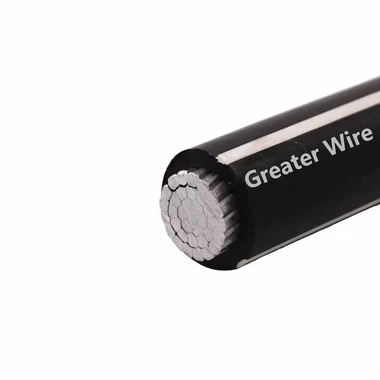
Dongguan Greater Wire & Cable Co., Ltd. is familiar with UL, CSA and other certification processes to ensure that products can quickly enter the American market. We understand the special requirements of Caribbean island countries and countries with small languages in terms of communication and cables, and have mature cooperation templates. Welcome to contact us and let us provide more professional support for your procurement process.