























What is the SAA Certification?
SAA (Standards Australia Approved) certification is an endorsement granted to electrical products that comply with the strict standards set by Standards Australia and other relevant regulatory bodies. These standards cover a wide range of safety and performance aspects of electrical cables, ensuring that they meet specific requirements for performance, fire safety, environmental factors, and long-term durability.
For power cables, the SAA certification ensures that they are safe to use in both residential and commercial settings, reducing the risk of electrical accidents such as fires, electrical shocks, or equipment failures. The certification process involves rigorous testing, adherence to strict construction guidelines, and ongoing quality assessments throughout the manufacturing process.
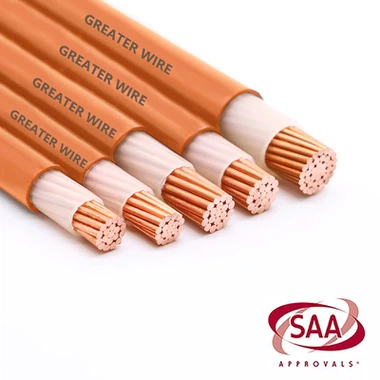
The Role of the SAA Certification in Power Cable Quality
The SAA certification ensures that a power cable like the SAA XLPE insulated PVC sheathed cable adheres to essential safety, quality, and operational standards. These standards typically address several key aspects:
Electrical Performance
Fire Resistance
Mechanical Durability
Environmental Resistance
Manufacturing and Testing Standards
Let's explore how the SAA certification ensures each of these factors.
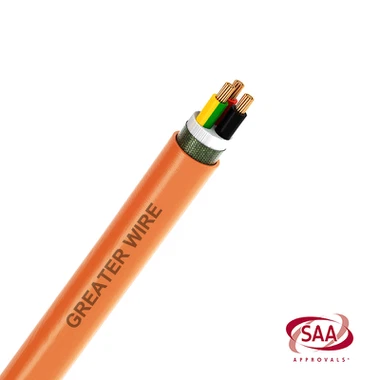
1. Electrical Performance
One of the primary factors ensuring the quality of a power cable is its electrical performance, particularly its ability to handle the required voltage levels, conduct electrical current efficiently, and prevent losses.
XLPE Insulation:
The SAA XLPE insulated PVC sheathed cable is widely recognized for its excellent electrical performance. XLPE (cross-linked polyethylene) is an insulation material that provides superior electrical properties, including higher dielectric strength, lower electrical losses, and a better ability to resist electrical stress. This makes XLPE a preferred material for both low and medium-voltage applications.
Voltage Rating: Cables bearing the SAA certification are designed to handle specific voltage levels, and the Australia XLPE electrical cable is typically rated for voltages up to 0.6/1kV or higher, ensuring they meet electrical system requirements.
Reduced Power Loss: The high dielectric strength of XLPE insulation means that power loss due to the cable's resistance is minimized, which improves the overall efficiency of the electrical system.
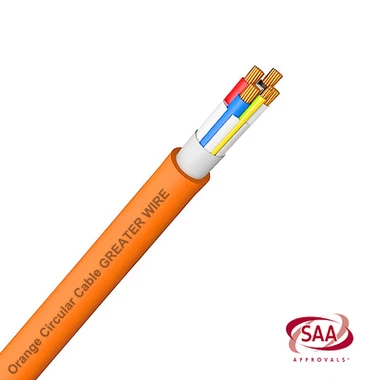
2. Fire Resistance
Electrical fires are one of the biggest risks associated with faulty or substandard power cables. The SAA certification requires cables to meet stringent fire resistance standards, ensuring that they will not contribute to the spread of fire if exposed to heat or flames.
PVC Sheath for Fire Resistance:
While XLPE insulation provides excellent thermal stability, the outer PVC (Polyvinyl Chloride) sheath of cables like the SAA XLPE insulated PVC sheathed cable is designed to offer fire resistance. PVC is inherently flame-retardant and resistant to ignition, which helps prevent cables from fueling a fire in the event of a short circuit or other electrical fault.
Fire Performance Standards: Cables with SAA certification are tested to meet AS/NZS 5000.1 fire safety standards, ensuring they perform reliably even under fire conditions. These standards include flame propagation tests, smoke generation tests, and testing for the release of toxic gases.
Flame Retardant Properties: The PVC sheath used in Australia XLPE electrical cables ensures that, in the event of a fire, the cable will limit the spread of flames and will not emit harmful fumes or toxic gases, which is critical in protecting both human lives and property.

3. Mechanical Durability
Mechanical durability is another key aspect of the quality of electrical cables. Power cables need to be able to withstand physical stresses such as impacts, abrasions, and the mechanical stresses associated with installation and environmental factors.
XLPE and PVC Protection:
The SAA XLPE insulated PVC sheathed cable combines the excellent mechanical properties of both XLPE insulation and PVC sheathing, which helps to ensure the durability and longevity of the cable. XLPE provides high tensile strength and resistance to cracking, while the PVC sheath provides additional protection against external forces.
Impact Resistance: Cables with XLPE insulation are resistant to impacts, abrasions, and pressure, ensuring they can withstand harsh environments such as underground installations, industrial settings, and areas where cables are subject to physical damage.
Flexibility and Strength: Despite its robust protection, SAA XLPE insulated PVC sheathed cable maintains flexibility, making it easy to install in various configurations without compromising on mechanical strength.

4. Environmental Resistance
Electrical cables often operate in diverse environments, ranging from underground installations to areas exposed to extreme weather conditions. The SAA certification ensures that cables are designed to perform reliably, even in challenging environments.
Environmental Resistance Features:
Cables like the Australia XLPE electrical cable are designed to withstand environmental factors such as:
UV Resistance: The PVC sheath of the cable provides resistance to ultraviolet (UV) radiation, preventing degradation and ensuring that the cable maintains its integrity even when exposed to sunlight for extended periods.
Moisture and Chemical Resistance: Both XLPE and PVC offer excellent resistance to moisture and chemicals. This means that cables certified by the SAA can be used in damp or wet environments, as well as in locations where they might be exposed to chemicals or pollutants without compromising performance.
Temperature Stability: Cables with XLPE insulation can typically handle operating temperatures of up to 90°C, with short-term temperature peaks reaching up to 250°C. This ensures reliable performance in environments with fluctuating temperatures or high heat.

5. Manufacturing and Testing Standards
The SAA certification is awarded only to manufacturers that adhere to strict production and testing standards. This ensures that the cable meets both safety and performance criteria throughout its lifecycle, from manufacturing to installation.
Factory Testing: To ensure that the power cables meet the standards, manufacturers must undergo rigorous testing procedures, including electrical testing, mechanical testing, and fire resistance testing, among others. These tests are designed to verify that each cable can perform as expected in real-world applications.
Ongoing Quality Control: Manufacturers who receive the SAA certification must maintain continuous quality control throughout the production process. This includes regular inspections, testing of raw materials, and adherence to production guidelines set forth by Standards Australia.
Inspection and Audits: Certified manufacturers are subject to periodic inspections and audits by regulatory authorities to ensure that their cables continue to meet SAA standards. This process helps maintain the integrity and reliability of the certification over time.

Applications of SAA Certified Power Cables
SAA-certified cables are used in a wide range of applications across various industries. The SAA XLPE insulated PVC sheathed cable and Australia XLPE electrical cable are typically used in:
Residential Power Distribution: Providing safe and reliable power to homes and apartments.
Industrial and Commercial Installations: Powering machinery, equipment, and lighting systems in factories, warehouses, and office buildings.
Underground Installations: Used in underground electrical systems, where they are protected against moisture, physical damage, and environmental factors.
Construction Sites: Ensuring safe power distribution on construction sites, where cables must be durable and able to withstand harsh conditions.

Dongguan Greater Wire & Cable Co., Ltd. focuses on the research and development and production of Australian SAA standard wires, and has been committed to providing high-quality, high-performance wire products to global customers for many years. Every meter of our wire undergoes strict quality testing to ensure that the product fully complies with Australian SAA standards, has excellent heat resistance, water resistance and excellent electrical performance, and provides a solid and reliable guarantee for your engineering projects.