

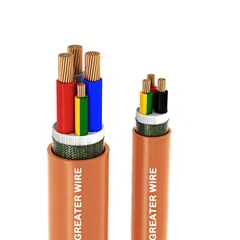
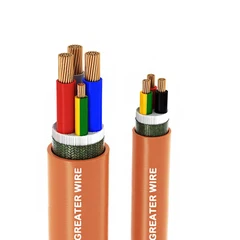

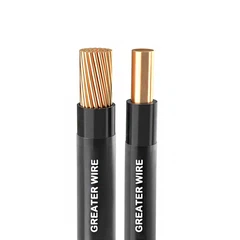
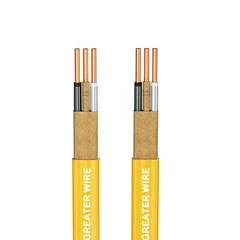
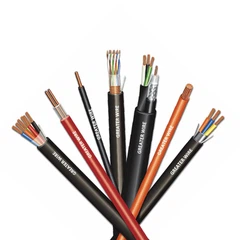
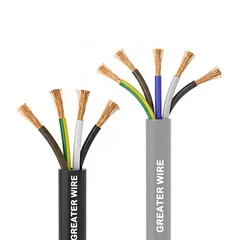
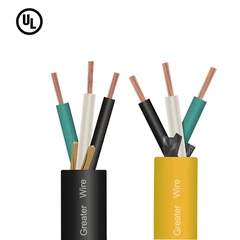
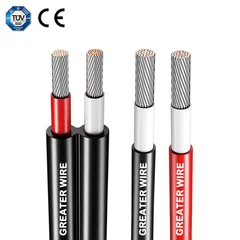

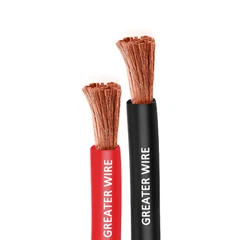
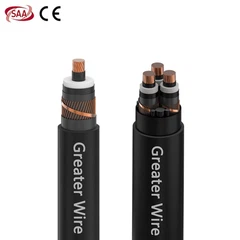
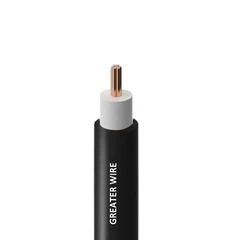
Cables are integral components in various electrical and industrial systems, designed to provide power, data, and signal transmission. Among the various types of cables, the orange circular cable is a commonly used variety, known for its distinctive color and flexible, durable design. However, like any type of cable, it is important to understand how susceptible it might be to mechanical damage and what factors contribute to its vulnerability.
Mechanical damage refers to physical damage that can occur to a cable due to external forces such as tension, crushing, abrasion, or impact. For any cable, mechanical damage is a significant concern because it can lead to disruptions in functionality, safety hazards, and, in the worst cases, cable failure. So, is an orange circular cable prone to mechanical damage? In this article, we will explore the construction of orange circular cables, their resistance to mechanical damage, and best practices for preventing and mitigating damage.


What is an Orange Circular Cable?
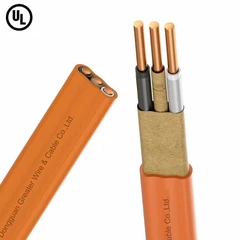
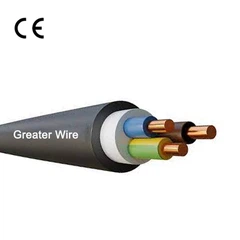
Before we delve into the specifics of mechanical damage, it is important to understand the construction and applications of an orange circular cable. Typically, an orange circular cable consists of multiple conductors encased in a robust outer sheath. The color orange is often used for visibility, especially in construction and industrial settings, to reduce the risk of accidental damage or misuse. Orange circular cables are used for a wide range of purposes, including power transmission, control systems, and signal transmission.
The cable construction typically involves:
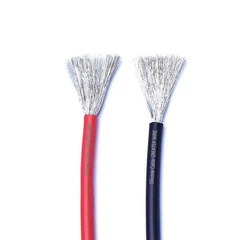
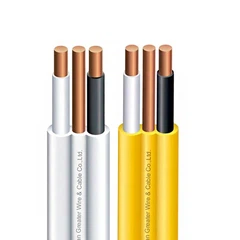
Conductors: Usually copper or aluminum, which are excellent conductors of electricity.
Insulation: Surrounding the conductors is an insulating material to prevent electrical shorts and protect the integrity of the system.
Outer Sheath: This outer layer protects the internal components of the cable from environmental factors like moisture, heat, chemicals, and physical damage.
Despite their robust design, the outer sheath is what provides the primary protection against mechanical damage. The material used for the sheath, along with the overall construction, plays a key role in determining the cable's resistance to mechanical stress.

Factors Contributing to Mechanical Damage
Several factors can contribute to mechanical damage in an orange circular cable. These factors include the cable's environment, handling practices, and its construction characteristics.
Tensile Stress: One of the most common causes of mechanical damage is tensile stress, which occurs when a cable is pulled too tightly. If the cable is stretched beyond its recommended capacity, the internal conductors may break or the insulation can crack. This can lead to a total loss of functionality and pose significant safety risks.
Bending Stress: Bending the cable beyond its permissible bend radius can result in damage. The bend radius is the minimum radius the cable can be bent without damaging the internal conductors or insulation. Sharp bends may cause the internal wires to break or compromise the insulation, potentially leading to short circuits or signal loss.
Compression or Crushing: Mechanical damage can also occur when the cable is compressed or crushed. This can happen if the cable is accidentally stepped on, run over by machinery, or compressed in a tight space. Crushing the cable can cause internal conductor damage or insulation failure, which can lead to electrical faults.
Abrasion: When cables are subjected to repeated rubbing against rough surfaces or are exposed to external mechanical wear, the insulation or outer sheath may begin to wear away. This type of mechanical damage can expose the internal conductors to external elements, increasing the risk of electrical shorts or leakage.
Impact Damage: A sudden, localized force applied to the cable can result in impact damage. This can be caused by a variety of sources, such as tools, equipment, or falling objects. While orange circular cables are designed to be durable, any substantial impact can cause localized damage that may go unnoticed until it leads to failure.
Environmental Factors: External factors such as temperature extremes, chemical exposure, and UV radiation can weaken the cable's outer sheath. This degradation can make the cable more susceptible to mechanical damage over time. While orange circular cables are generally durable, improper use in harsh environments without adequate protection can make them prone to damage.

Resistance of Orange Circular Cables to Mechanical Damage
The resistance to mechanical damage of an orange circular cable depends largely on its construction materials and the quality of the sheath and insulation. The outer sheath is designed to provide a protective barrier, but the material used for the sheath plays a significant role in how well the cable can withstand mechanical stresses.
Sheath Material: The material used for the outer sheath of an orange circular cable is typically a type of polyethylene (PE), thermoplastic elastomer (TPE), or polyvinyl chloride (PVC). Each of these materials has varying degrees of flexibility, resistance to abrasion, and impact resistance:
PVC is known for its general strength and good resistance to abrasion, but it may become brittle over time when exposed to extreme temperatures or UV radiation.
PE and TPE offer greater flexibility, which is ideal for cables that need to bend frequently. However, they may be less resistant to impact compared to more rigid materials.
These materials are designed to withstand mechanical stresses, but they are not invulnerable. In extremely harsh environments or under excessive mechanical strain, the materials can wear down, leading to increased vulnerability to damage.
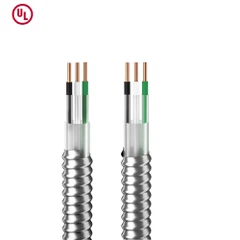
Cable Design: The design of the cable itself also impacts its mechanical resilience. Cables with reinforced armor or an additional layer of protection are less likely to suffer mechanical damage compared to standard unarmored cables. For example, steel wire armor is often incorporated in cables used in industrial settings to enhance protection against crushing or impact.
Insulation Thickness: Thicker insulation materials help protect the internal conductors from physical stress. Cables with thick insulation are generally more resistant to mechanical damage because they provide an extra layer of protection against impact, abrasion, and crushing.

Common Applications and Vulnerabilities
Orange circular cables are commonly used in construction, industrial, and telecommunications environments, where their flexible design and visibility are highly valued. However, certain applications expose them to greater mechanical risks.
Industrial Settings: In industrial environments where machinery, heavy equipment, and physical movement are common, orange circular cables can be exposed to crushing, abrasion, and bending stresses. The high movement and vibrations in these environments may also contribute to wear over time. For instance, cables running along conveyor belts or within heavy equipment may suffer more from abrasion and impact.
Outdoor Environments: When used in outdoor settings, such as construction sites, orange circular cables are exposed to environmental elements like UV radiation, moisture, and temperature extremes. While some orange circular cables are designed for outdoor use and can handle these elements, the continuous exposure can still weaken the cable's outer sheath, making it more susceptible to mechanical damage.
Power Distribution and Electrical Installations: In these applications, the cable is often subject to mechanical stress during installation or maintenance. Dropping the cable, stepping on it, or handling it roughly can lead to insulation damage. To mitigate these risks, proper installation practices and care are essential.

How to Prevent Mechanical Damage
To prevent mechanical damage to orange circular cables, there are several best practices and precautions that should be followed during installation and operation:
Proper Handling: Avoid pulling or stretching the cable beyond its recommended limits. Use tools like cable pullers and ensure that the cable is not subjected to unnecessary strain during installation.
Correct Bending Radius: Ensure that the cable is bent only within its specified bend radius to prevent internal conductor damage or insulation cracking. Use cable trays, conduits, or guides to avoid sharp bends.
Use Protective Coatings: In environments prone to abrasion, consider using cables with extra protective coatings or sheaths. For environments where crushing is a concern, consider armored versions of the orange circular cable.
Regular Inspections: Regularly inspect the cables for any signs of wear, abrasion, or visible damage. Early detection of mechanical damage can help prevent more significant failures.
Environmental Protection: In outdoor or harsh environments, use additional protective measures such as conduit, covers, or UV-resistant sleeves to shield the cable from the elements.
Avoid Overloading: Ensure that the cable is used within its rated capacity, as excessive currents can increase the risk of overheating, weakening the sheath, and making it more vulnerable to mechanical damage.