

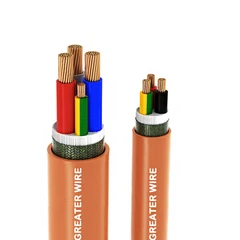
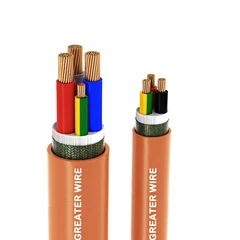

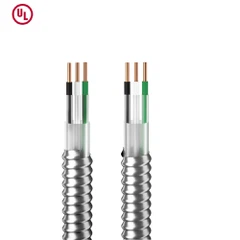
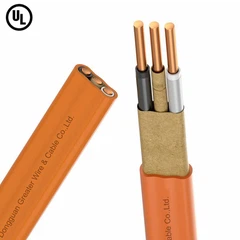
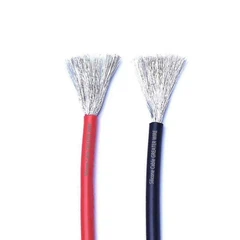
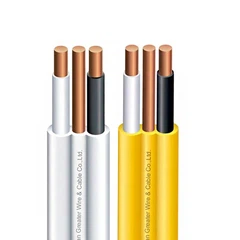
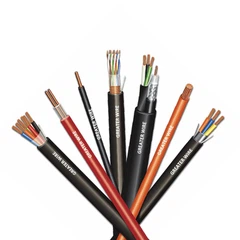
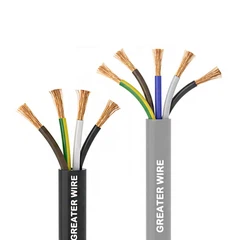
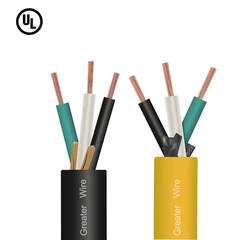
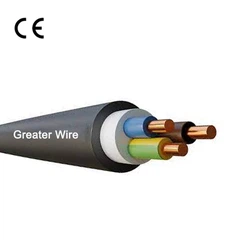

The question of whether the orange circular cable is waterproof has become increasingly important in various industries that rely on high-performance and durable wiring. Cables of all types are integral to power distribution, data transmission, and control systems in numerous sectors. Among these, the orange circular cable stands out due to its visibility, flexibility, and robust design. But when it comes to specific environmental conditions-particularly water exposure-the question arises: is the orange circular cable waterproof?
This article will explore the construction, characteristics, and applications of orange circular cables, as well as their waterproof capabilities. We will also look at the different scenarios in which waterproofing is critical, how manufacturers ensure the cables can withstand such conditions, and the performance benefits of using orange circular cables in such environments.


What is an Orange Circular Cable?
Before diving into the waterproofing aspect, it's important to understand what an orange circular cable is and how it differs from other types of cables.
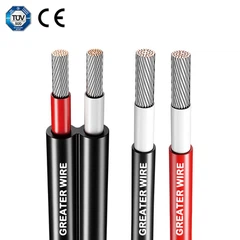
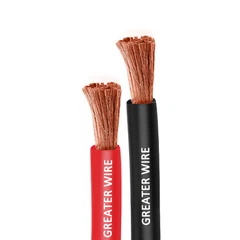
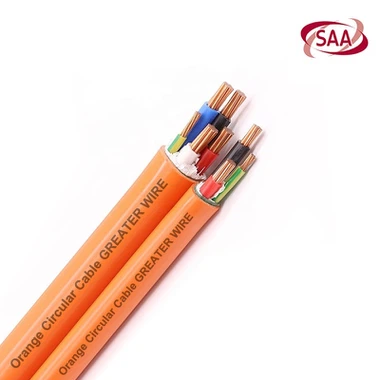
An orange circular cable is typically a round, insulated cable that is coated with an orange-colored outer sheath. The color orange is primarily used for its visibility, especially in industrial, construction, and telecommunications environments. The cable can be used for various purposes, such as power transmission, signal transmission, or data communication.
The outer sheath of an orange circular cable is designed to protect the internal conductors from physical damage, environmental stress, and chemical exposure. The construction of the cable includes materials like PVC, rubber, or thermoplastic elastomers that ensure the cable's flexibility, durability, and electrical safety. In some cases, these cables are also designed with added layers of protection to resist specific environmental challenges, such as moisture, chemicals, or UV rays.

Waterproofing in Cables: A Key Consideration
Waterproofing is a crucial factor for cables used in environments where moisture or direct exposure to water is inevitable. For cables like the orange circular cable, its waterproof properties depend largely on its construction materials and whether it has been designed to withstand water ingress.
In general, cables can be categorized into two broad categories based on their resistance to water:
Waterproof Cables: These are cables designed specifically to prevent water from entering the internal conductors. Waterproof cables are typically sealed at the ends and throughout the insulation layers, making them resistant to water penetration even under prolonged exposure. These cables often feature specialized jackets made of water-resistant or waterproof materials.
Water-Resistant Cables: While these cables can resist water to some degree, they are not completely impervious to water ingress. They may still perform well in damp or humid environments, but they are not meant to be submerged in water or exposed to continuous moisture.

Waterproof Features of Orange Circular Cables
The waterproof characteristics of an orange circular cable depend on the type of materials used in its construction and its intended application. Let's take a closer look at how orange circular cables are designed to handle water exposure.
1. Outer Sheath and Jacket Materials
The outer sheath of an orange circular cable plays a critical role in determining its waterproof properties. Manufacturers often use materials like thermoplastic elastomers, PVC, or rubber to form the sheath. These materials can be engineered to be water-resistant or waterproof. For example:
PVC (Polyvinyl Chloride): A commonly used material for cable insulation, PVC provides a certain level of water resistance. However, it may not be fully waterproof in extreme conditions, such as submersion in water.
Rubber or Thermoplastic Elastomers: These materials can provide better water resistance than PVC and are often used in cables intended for more rugged outdoor environments. They form a flexible but durable layer around the cable that is less likely to allow water to penetrate.
2. Waterproofing Layers and Sealants
In some orange circular cables, there may be additional waterproofing features, such as a layer of gel or a sealant applied to prevent water from reaching the internal conductors. These cables are often marketed as IP-rated (Ingress Protection), with an IP rating indicating the level of protection the cable offers against water and dust.
For instance, an IP68 rating means that the cable is completely dust-tight and can withstand continuous immersion in water beyond a certain depth. Such cables are ideal for use in outdoor environments, such as in marine applications, where water exposure is constant.
3. Cable Construction for Waterproofing
Certain orange circular cables, especially those used in marine, offshore, or industrial environments, are specifically designed to be waterproof. These cables often feature several layers of protection, including:
Water-Blocking Materials: Some cables incorporate water-blocking technologies that swell upon contact with water, effectively sealing the cable and preventing water from traveling along the cable's length.
Gel-Filled Cables: These cables contain a gel-like substance that helps prevent water ingress and is commonly used in underground or submerged cable installations.
While not all orange circular cables are waterproof, those specifically engineered for harsh environments-such as cables for underwater or outdoor use-tend to incorporate these advanced waterproofing technologies.
Applications of Orange Circular Cables in Wet Environments
Certain industries require cables that are capable of withstanding exposure to water or moisture, which is where waterproof orange circular cables are particularly useful. Here are some industries and applications where waterproofing plays a critical role:
1. Marine Industry
In the marine industry, cables are frequently exposed to saltwater, moisture, and harsh weather conditions. Waterproof orange circular cables are essential in this environment for power distribution, communication systems, and data transmission aboard ships, oil rigs, and submarines. The cables must be durable, flexible, and completely resistant to water, as even a small amount of water ingress can damage the system.
2. Construction and Outdoor Installations
Cables used in construction projects, particularly those for temporary setups like lighting or power systems, may be exposed to rain or moisture. In these environments, waterproof or water-resistant orange circular cables help ensure continuous operation without failure, especially in areas where cables are temporarily run across wet ground or outdoors.
3. Submersible Applications
In certain industrial and scientific applications, cables need to be submerged in water, such as underwater research or submersible equipment. Waterproof orange circular cables are designed to perform under such conditions, ensuring reliable performance even at significant depths.
4. Agricultural Systems
In agriculture, cables are often exposed to damp or wet conditions, especially in irrigation systems, greenhouses, and outdoor lighting. Waterproof orange circular cables are commonly used in these situations to prevent damage and ensure a consistent supply of power and data transmission.

How to Determine If an Orange Circular Cable Is Waterproof
To determine whether a particular orange circular cable is waterproof, several factors should be considered:
Manufacturer Specifications: Always refer to the manufacturer's datasheet or product specifications, which will indicate whether the cable is waterproof and provide an Ingress Protection (IP) rating.
Material of the Outer Sheath: Check the materials used for the outer sheath of the cable. Cables made with waterproof materials like rubber or thermoplastic elastomers are more likely to be waterproof.
IP Rating: As mentioned earlier, cables with an IP rating (such as IP67 or IP68) are designed for wet environments and can withstand immersion in water.
Application and Environment: Understand the environment in which the cable will be used. If the cable will be exposed to direct water flow or immersion, opt for cables that are explicitly designed to be waterproof.