

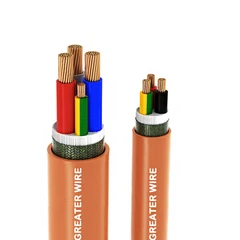
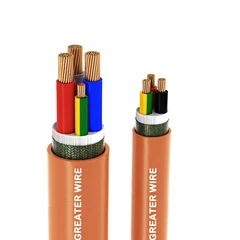

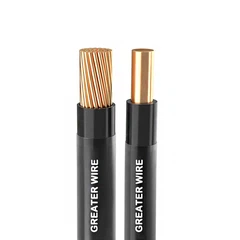
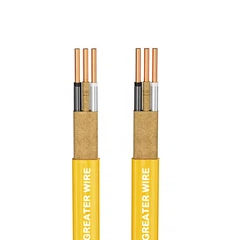
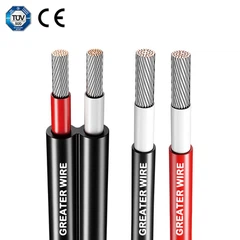

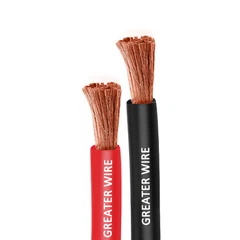
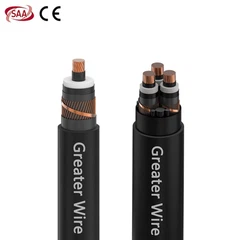
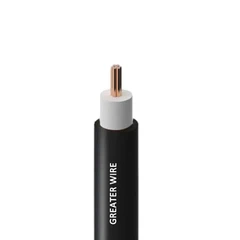
When designing a solar energy system, one of the most important considerations is determining the size of solar panels needed for maximum efficiency. This decision depends on several factors, such as energy requirements, available space, and environmental conditions. Alongside the size and efficiency of solar panels, the choice and management of solar cables and solar wires play a pivotal role in the system's overall performance. This article delves into the concept of solar panel efficiency, the factors influencing it, and the significance of solar cables and wires in an optimized setup.

1. Understanding Solar Panel Efficiency
1.1. What is Solar Panel Efficiency?
Solar panel efficiency measures the percentage of sunlight a panel can convert into usable electrical energy. For instance, a 20% efficient solar panel converts 20% of the sunlight it receives into electricity. Higher efficiency panels can generate more power from a given area, making them ideal for limited spaces.
1.2. Factors Affecting Solar Panel Efficiency
Panel Type:
Monocrystalline Panels: Offer the highest efficiency (20–22%) due to their pure silicon composition.
Polycrystalline Panels: Slightly less efficient (15–17%) but more affordable.
Thin-Film Panels: Lightweight and flexible but lower in efficiency (10–12%).
Sunlight Availability: Regions with abundant sunlight benefit more from less efficient, larger panels, while areas with limited sunlight may require smaller, high-efficiency panels.
Temperature: High temperatures can reduce panel performance. Panels with a low temperature coefficient perform better in hot climates.
Dust and Shading: Dirt and partial shading significantly impact the efficiency of solar panels.

2. Optimal Solar Panel Size
2.1. System Requirements
To determine the optimal size of solar panels for efficiency, calculate your energy requirements. For example, a household consuming 30 kWh per day might require:
Required Solar Output (kW)=Daily Energy Consumption (kWh)Peak Sun Hours per Day\text{Required Solar Output (kW)} = \frac{\text{Daily Energy Consumption (kWh)}}{\text{Peak Sun Hours per Day}}Required Solar Output (kW)=Peak Sun Hours per DayDaily Energy Consumption (kWh)
If your location receives 5 peak sun hours daily:
Required Output=305=6 kW\text{Required Output} = \frac{30}{5} = 6 \, \text{kW}Required Output=530=6kW
For a 6kW system, panel size depends on the efficiency and output per panel. A standard panel might produce 350W, so you'd need approximately:
Number of Panels=System Size (kW)Panel Output (kW)=60.35≈17 panels.\text{Number of Panels} = \frac{\text{System Size (kW)}}{\text{Panel Output (kW)}} = \frac{6}{0.35} \approx 17 \, \text{panels}.Number of Panels=Panel Output (kW)System Size (kW)=0.356≈17panels.
2.2. Space Availability
High-efficiency panels are ideal for limited roof space, as fewer panels are required to meet energy demands. For larger spaces, lower-efficiency but more affordable panels might be a cost-effective solution.

3. The Role of Solar Cables and Wires
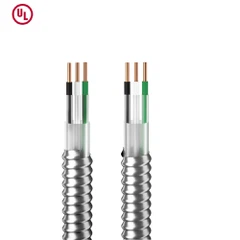
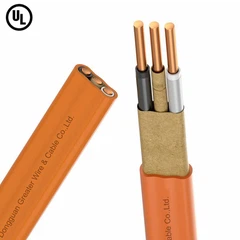
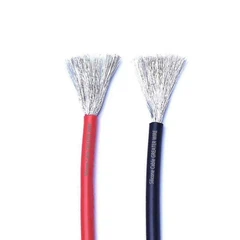
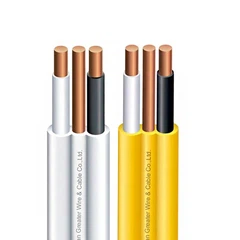
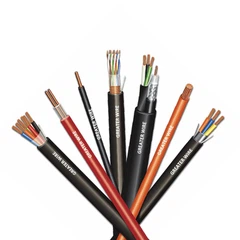
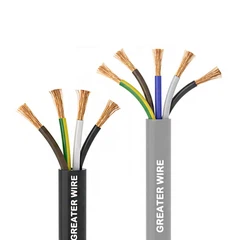
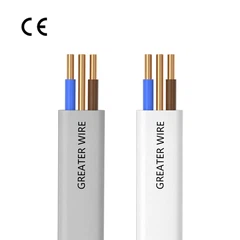
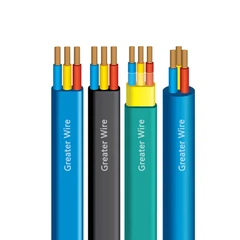
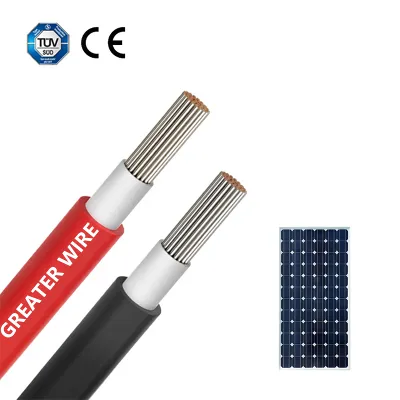
Solar cables and wires are critical components of any solar system, responsible for transmitting power generated by the panels to the inverter, batteries, and ultimately, the household. Choosing the right cables and wires ensures safety, efficiency, and longevity of the system.
3.1. Types of Solar Cables and Wires
PV (Photovoltaic) Cables:
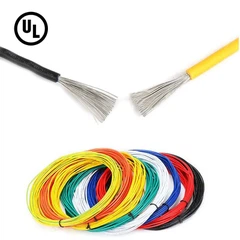
Designed specifically for solar applications, PV cables are UV-resistant, durable, and suitable for outdoor use.
Solar Wires:
These connect individual solar panels in series or parallel, allowing flexibility in array configuration.
Battery Cables:
Connect the battery bank to the system. These cables are thicker to handle high current.
Inverter Cables:
Transfer DC electricity from the panels to the inverter, where it is converted to AC for household use.
Grounding Wires:
Provide safety by grounding the system and preventing electrical shocks or system damage.
3.2. Importance of Proper Cable Sizing
The efficiency of a solar system depends significantly on minimizing energy losses due to resistance in cables. Proper sizing of solar cables and wires is critical:
Voltage Drop:
A significant voltage drop reduces the power delivered to the inverter or batteries. This is especially relevant for longer cable runs.
Voltage Drop (%)=Current (A)×Cable Length (m)×Resistance (Ω/m)Voltage (V)×100\text{Voltage Drop (\%)} = \frac{\text{Current (A)} \times \text{Cable Length (m)} \times \text{Resistance (Ω/m)}}{\text{Voltage (V)}} \times 100Voltage Drop (%)=Voltage (V)Current (A)×Cable Length (m)×Resistance (Ω/m)×100
Keeping voltage drop below 3% is recommended.
Wire Gauge:
The American Wire Gauge (AWG) system determines the thickness of solar wires. Larger systems or longer distances require thicker cables (lower AWG numbers).
3.3. Key Considerations for Solar Cables
Material:
Copper Wires: Excellent conductivity and durability.
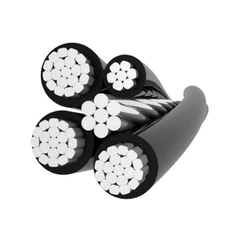
Aluminum Wires: Cost-effective but less conductive.
Insulation:
High-quality insulation prevents UV damage and weather-related wear.
Flexibility:
Flexible cables ease installation and resist wear due to movement or vibrations.
Standards and Certifications:
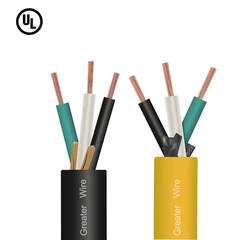
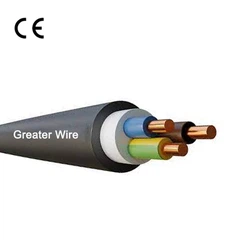
Ensure cables comply with industry standards such as IEC or UL for safety and performance.
4. Enhancing System Efficiency with Proper Installation
4.1. Wiring Configurations
Solar panels can be connected in series, parallel, or a combination:
Series Connection: Increases voltage while current remains constant.
Parallel Connection: Increases current while voltage remains constant.
Choose the configuration based on inverter input requirements and panel specifications.
4.2. Cable Management
Proper cable routing and protection are essential to prevent energy loss and ensure system longevity. Use cable ties, conduit, or trunking to organize and protect wires.
4.3. Regular Maintenance
Inspect cables and connections periodically for signs of wear, corrosion, or damage. Clean panels to maximize sunlight absorption and ensure optimal performance.

5. Combining Panel Efficiency with Cable Performance
High-efficiency solar panels alone cannot guarantee an optimized system. The selection and management of solar cables and wires directly influence the overall performance. For instance, using undersized or low-quality cables can negate the benefits of high-efficiency panels by introducing significant energy losses.
By carefully matching the size and efficiency of solar panels with the appropriate solar cables and wires, you can maximize energy generation, storage, and utilization.