


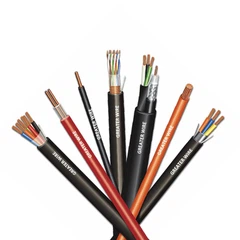
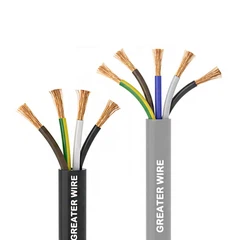
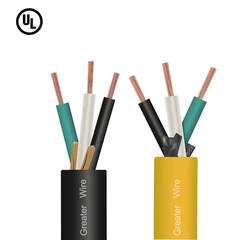
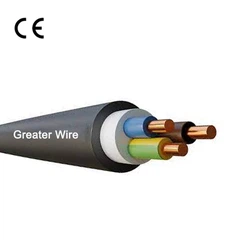
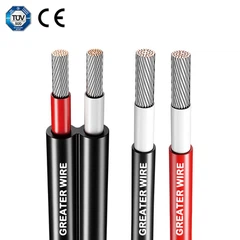

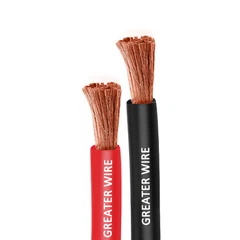
Solar power systems are becoming increasingly common in residential, commercial, and utility-scale applications. At the heart of these systems is the solar cable, a specially designed electrical conductor that differs significantly from traditional cables. Understanding these differences is essential for ensuring the safety, efficiency, and longevity of solar installations. This article dives deep into the key distinctions between solar cables and traditional cables, focusing on their composition, functionality, and role in renewable energy systems, while incorporating the keywords solar cable and solar wire.
1. Overview of Solar Cables and Traditional Cables
1.1 What is a Solar Cable?
A solar cable is a specialized cable designed to connect components in photovoltaic (PV) systems, such as solar panels, inverters, and batteries. It is engineered to withstand outdoor conditions, high voltage, and direct current (DC) transmission while ensuring minimal energy loss.
Key Characteristics of Solar Cables:
Weather Resistance: UV and moisture-proof insulation.
High Voltage Handling: Typically rated for 600V to 1500V.
Durability: Designed to last for decades in harsh environments.
1.2 What is a Traditional Cable?
Traditional cables are general-purpose electrical conductors used in residential, commercial, or industrial electrical systems. They primarily transmit alternating current (AC) and are not specifically designed for outdoor or renewable energy applications.
Key Characteristics of Traditional Cables:
Indoor or Limited Outdoor Use: Basic insulation not always suitable for extreme conditions.
Lower Voltage Ratings: Typically designed for 120V to 240V in household systems.
Standard Durability: Lifespan is limited under harsh conditions.
2. Key Differences Between Solar Cables and Traditional Cables
The differences between solar cables and traditional cables lie in their design, functionality, and specific use cases.
2.1 Material Composition
Conductor Material:
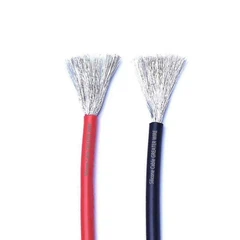
Solar Cable: Commonly made with high-quality, tinned copper to enhance corrosion resistance and conductivity.
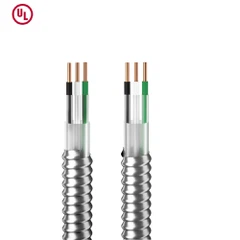
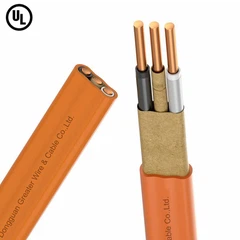
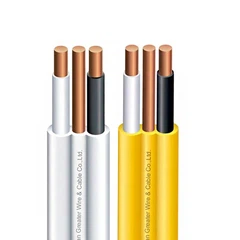
Traditional Cable: Typically uses bare copper or aluminum, which may corrode faster in outdoor environments.
Insulation Material:
Solar Cable: Features insulation made of cross-linked polyethylene (XLPE) or other weatherproof compounds that can endure prolonged exposure to UV rays, extreme heat, and cold.
Traditional Cable: Often uses polyvinyl chloride (PVC) insulation, which is less resistant to UV radiation and high temperatures.
2.2 Voltage and Current Handling
Solar Cable:
Designed for DC transmission, which requires higher voltage ratings (600V–1500V).
Handles low-current, high-voltage electricity efficiently.
Traditional Cable:
Typically supports AC transmission at lower voltages (120V–240V).
Designed for standard electrical loads in households and industries.
2.3 Durability and Longevity
Solar Cable:
Lifespan of 25–30 years due to robust materials and weatherproofing.
Resistant to UV radiation, ozone, chemicals, and mechanical stress.
Traditional Cable:
Lifespan is shorter in harsh environments, as it lacks advanced protection features.
2.4 Environmental Resilience
Solar Cable:
Operates in a wide temperature range (-40°C to 90°C or higher).
Designed for outdoor use, withstanding rain, snow, and direct sunlight.
Traditional Cable:
Performs best in controlled indoor environments.
Degrades faster when exposed to extreme temperatures or UV light.
2.5 Flexibility and Installation
Solar Cable:
Highly flexible, making it easier to route between solar panels and inverters.
Suitable for complex installations, including tight spaces and variable distances.
Traditional Cable:
Less flexible and harder to install in specialized systems like PV arrays.

3. Role of Solar Wires in Solar Systems
While "solar cable" often refers to the complete insulated conductor, solar wire typically denotes individual conductors used for specific purposes in a solar system.
3.1 Types of Solar Wires
PV Wire:
Connects solar panels in series or parallel.
Features extra insulation for outdoor use.
Grounding Wire:
Ensures electrical safety by grounding the system.
Battery Wire:
Links batteries to inverters in off-grid systems.
3.2 Why Solar Wires Outperform Traditional Wires
Higher insulation standards prevent degradation from constant sunlight.
Enhanced safety features for handling DC electricity, which behaves differently than AC.
Compatibility with high-efficiency components in modern solar systems.

4. Applications of Solar Cables vs. Traditional Cables
4.1 Solar Cables
Residential Solar Systems: Connect rooftop panels to inverters and energy storage systems.
Commercial Solar Farms: Link large arrays of panels over long distances.
Hybrid Systems: Integrate solar with other renewable energy sources.
4.2 Traditional Cables
General-purpose wiring in buildings and industries.
Indoor appliances and lighting circuits.
Systems where outdoor exposure is minimal.

5. Advantages of Using Solar Cables
Safety:
Superior insulation minimizes risks like short circuits and electrical fires.
Efficiency:
Reduced energy loss during DC transmission.
Longevity:
Resilient to wear and tear, reducing maintenance costs.

6. Challenges and Solutions
6.1 Higher Initial Cost
Challenge: Solar cables are costlier than traditional cables due to their advanced materials.
Solution: The long lifespan and efficiency offset initial expenses.
6.2 Specialized Installation
Challenge: Installing solar cables requires expertise and proper planning.
Solution: Hire certified technicians to ensure compliance with standards.

7. Future Trends in Solar Cables
Smart Solar Cables: Equipped with sensors for real-time monitoring and fault detection.
Lightweight Materials: Innovations in cable design to reduce weight and installation effort.
Recyclable Materials: Eco-friendly cables to reduce environmental impact.